In 1893, when Winston Churchill finally joined the army, his father did not send congratulations. Lord Randolph Churchill, once a rising star of Victorian politics, sent his son a six-page letter instead, calling him a social failure and warning he would never receive a comfortable life at his expense.
The letter was six pages long, and Winston Churchill carried it in his pocket for the rest of his life. It arrived in 1893, after he had finally, at the third attempt, passed the entrance examination for the Royal Military College at Sandhurst. Most fathers might have offered a word of congratulations. Lord Randolph Churchill […]
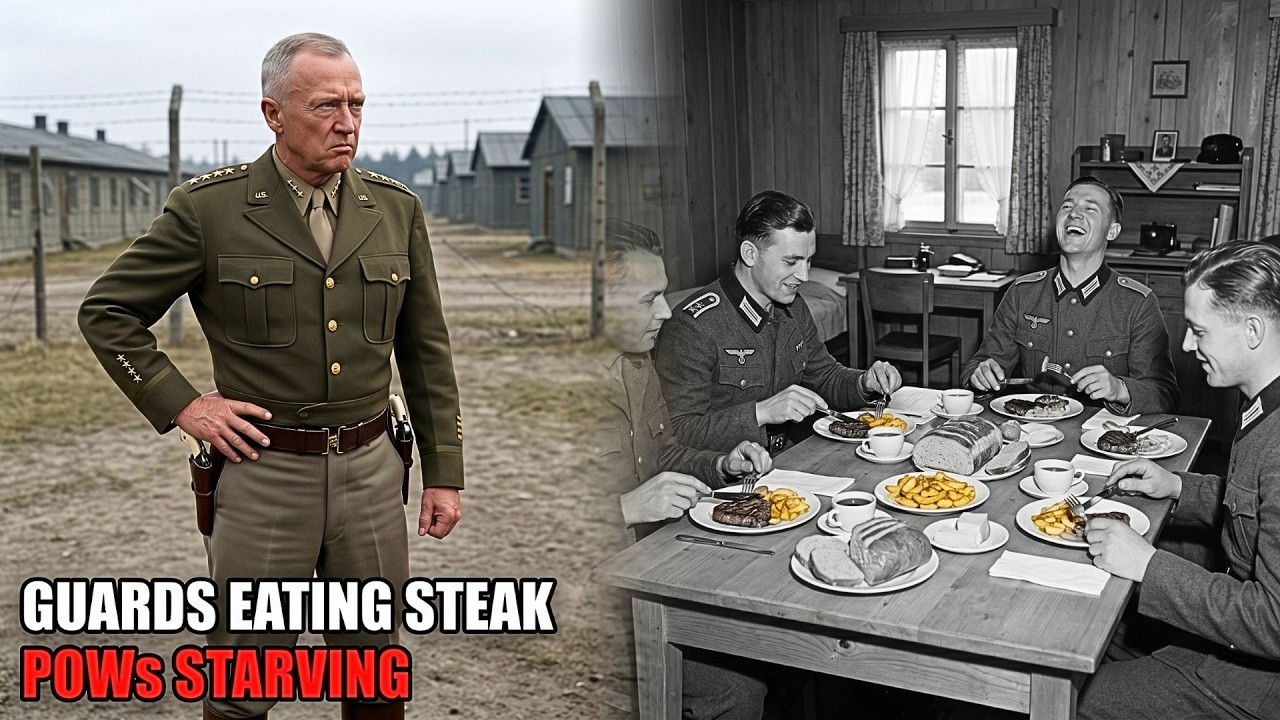
In April 1945, General Patton walked past a German guard barracks at Stalag 7A near Moosburg and smelled steak cooking. Inside, former guards sat laughing over real beef, fried potatoes, fresh bread, and coffee. Fifty feet away, behind barbed wire, American POWs sat skeletal in the dirt, watching them eat.
General Patton stopped mid-stride, his nostrils flaring. The air around the German guard barracks carried a smell he had not encountered in weeks of frontline travel, the rich, heavy aroma of cooking meat. He turned his head toward the open windows. Through them, he could see eight German guards seated at a long table, plates […]
In November 1945, American interrogators in Tokyo asked Lieutenant General Torashiro Kawabe why young Japanese pilots had flown their aircraft into American ships. His answer used the past tense: “We believed that our spiritual convictions and moral strength could balance your material and scientific advantages.”
“We believe that our spiritual convictions and moral strength could balance your material and scientific advantages. ” Lieutenant General Torashiro Kawabe, Deputy Chief of the Imperial Japanese Army General Staff, spoke those words to American interrogators in Tokyo on the 30th of November, 1945. He was answering a question about the Kamikaze. It was not […]
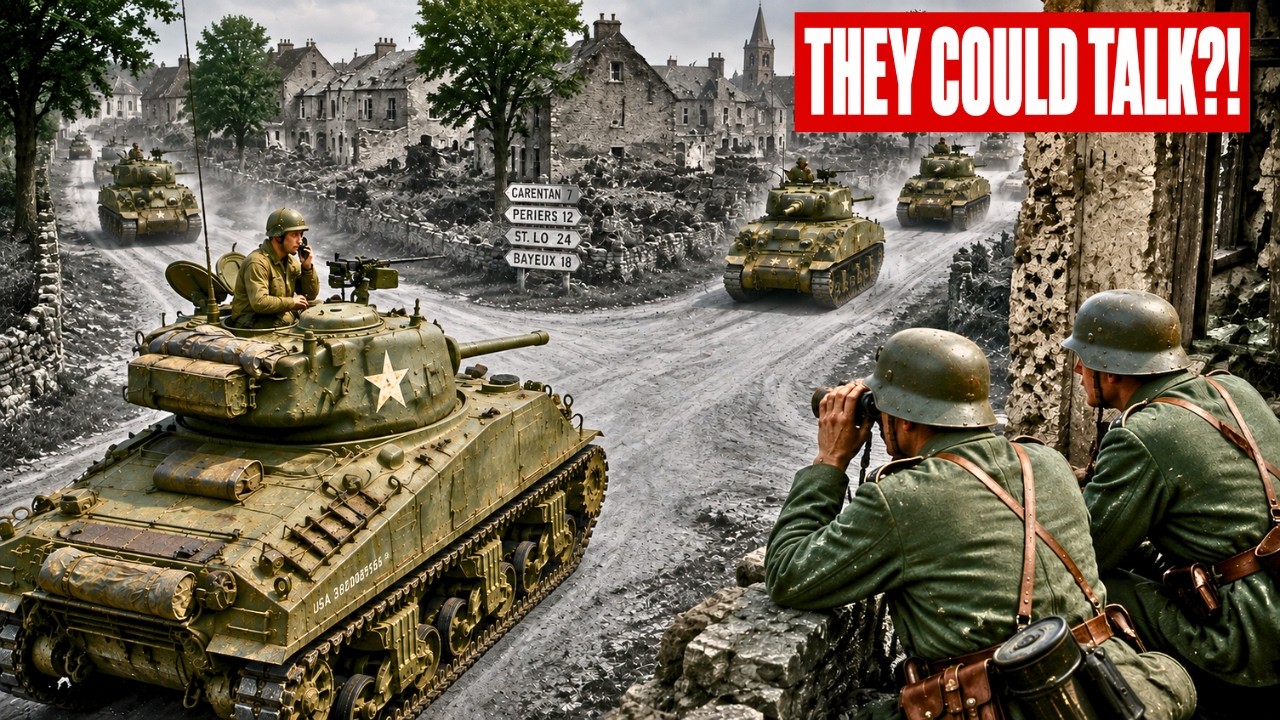
In September 1944, over fifty German Panther tanks rolled toward a small French town called Arracourt. They were better armored than the American Shermans, carried bigger guns, and their crews were veterans. Within ten days, most of them were burning in the mud.
A damp field in eastern France, the morning of September 19, 1944. More than fifty German Panther tanks were about to die. They were better armored than the American tanks coming against them. They carried bigger guns. Their crews were veterans. Within ten days, most of them were burning in the mud outside a town […]
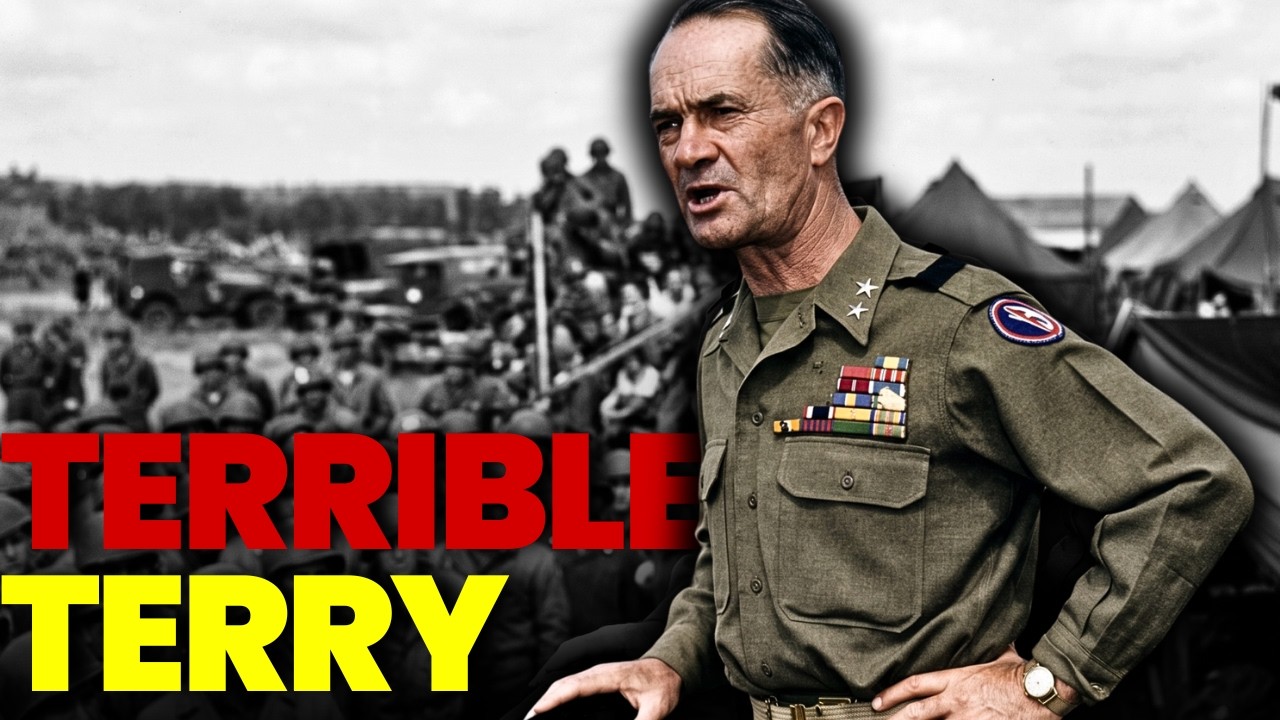
On August 7, 1943, Major General Terry Allen lost command of the First Infantry Division—the same division he had led ashore under fire in North Africa and Sicily, the same division that had just beaten a German panzer division in the open and taken a mountain town in six brutal days.
Two men, one war. Hold them side by side and do not ask yet what connects them. The first is a major general in his middle fifties, standing on a bare ridge in Sicily above a mountain town his division has just taken. The fight for that town ran six days. His rifle companies absorbed […]
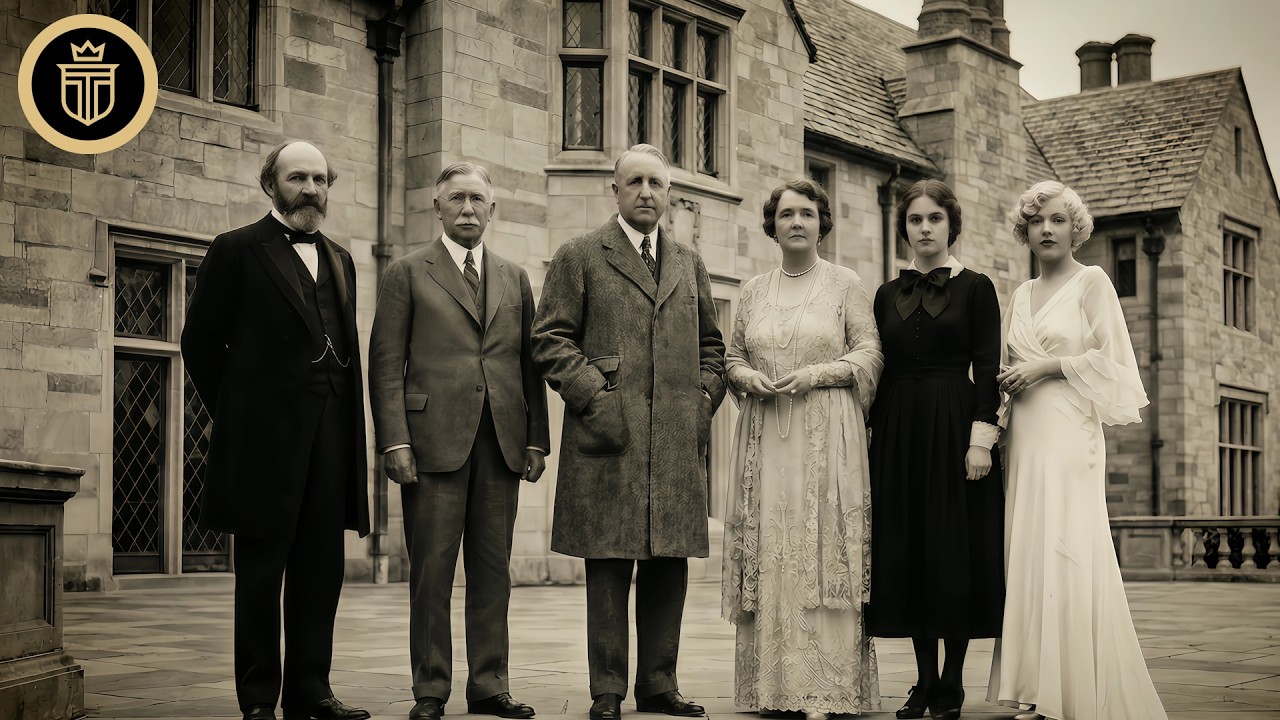
He arrived with almost nothing. In 1876, he bought out his partners for $150,000, controlling 110,000 acres. That land would become a third of Orange County—and a corporate giant.
In 1880, Los Angeles was a town of barely eleven thousand people, surrounded by farms measured in tens of thousands of acres. San Diego was even smaller. The entire region from Santa Barbara to San Bernardino held fewer souls than a single Manhattan neighborhood. Yet amid this apparent emptiness, a handful of men understood what […]
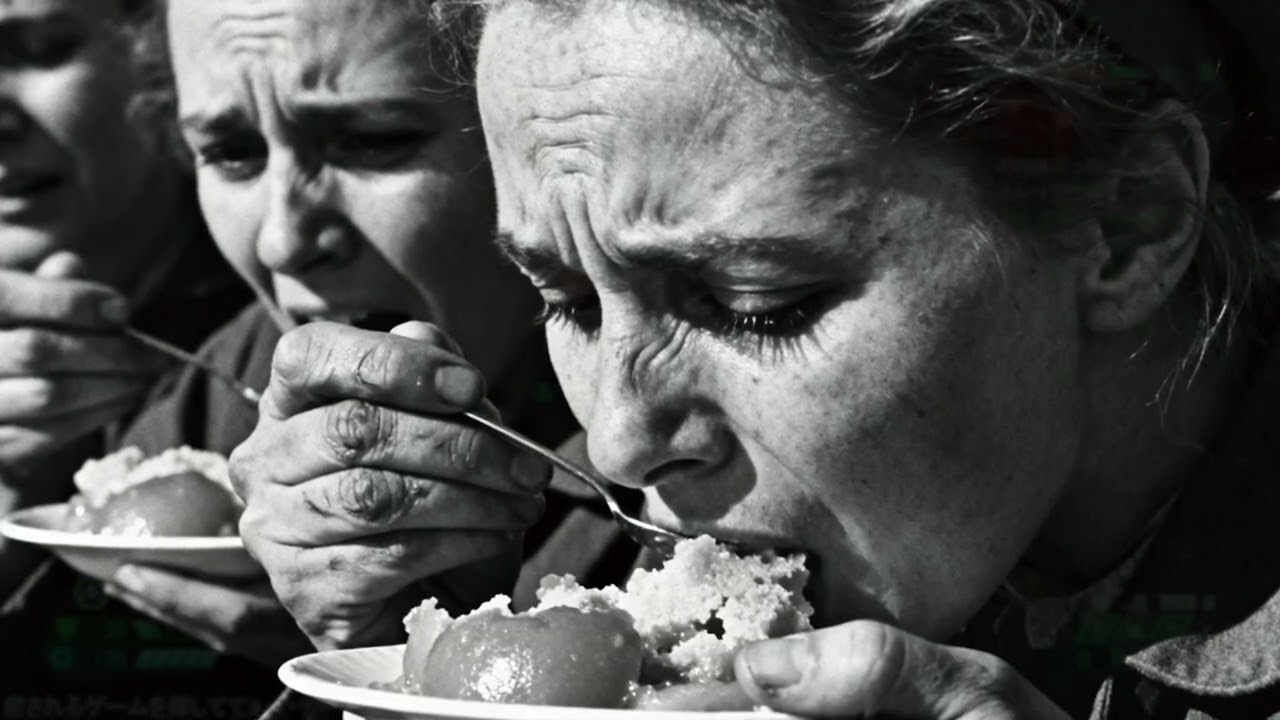
Starving German POWs expected cruelty from American captors in 1945. Then one woman tasted peach cobbler—and wept. Her captor’s brother died at Normandy. Days later, Emily came with a request.
On August 15, 1945, at Fort Campbell, Tennessee, thirty-seven German women stepped off a transport truck into the sweltering afternoon heat. The war in Europe had ended three months earlier, but for them, surrender felt like the beginning of something uncertain. They had been told throughout the war that falling into enemy hands meant brutality […]
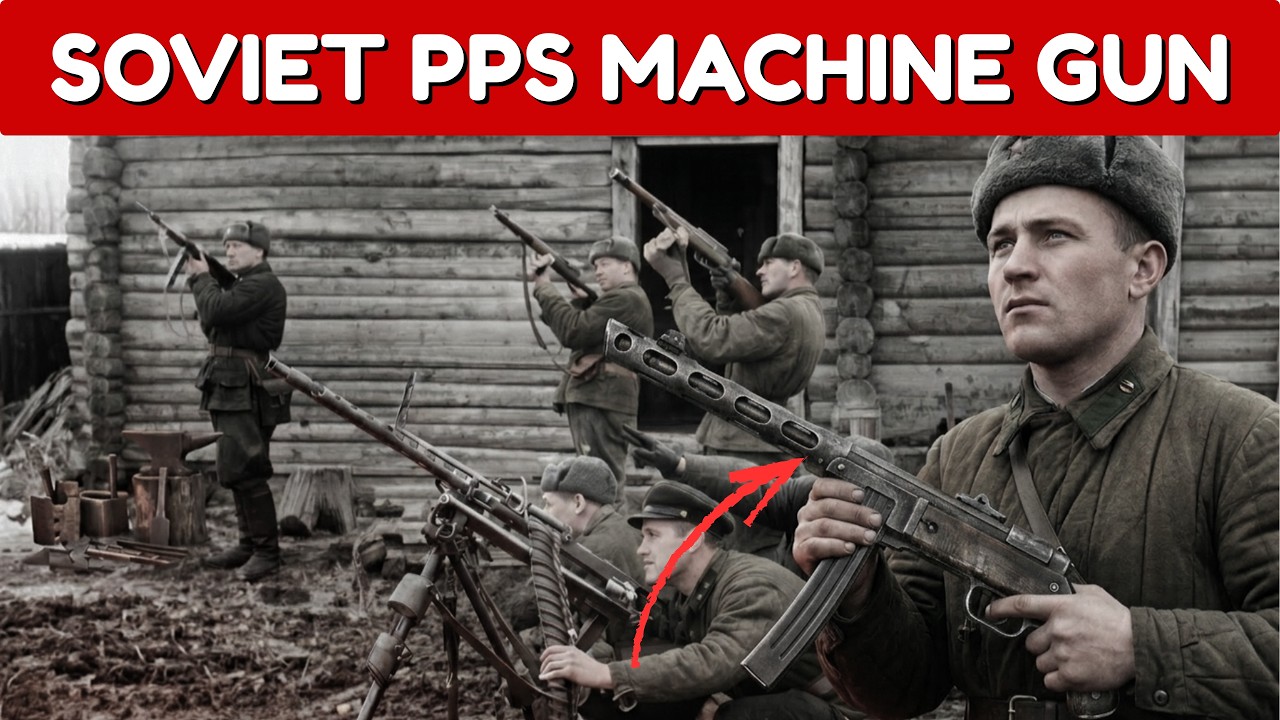
Stalin smuggled a weapons designer into starving Leningrad with one order: build a lighter submachine gun faster than the Germans could advance. He worked under shellfire, risking everything. But would his radical choice save the city?
On August 29, 1941, the Soviet government commissioned two competing anti-tank rifle designs with a thirty-day deadline, even as German forces closed around Leningrad and began the 872-day siege that would eventually kill roughly 1. 1 million civilians through starvation and bombardment. Inside the blockade perimeter, workers at the Sestroretsk Arms Plant produced weapons under […]
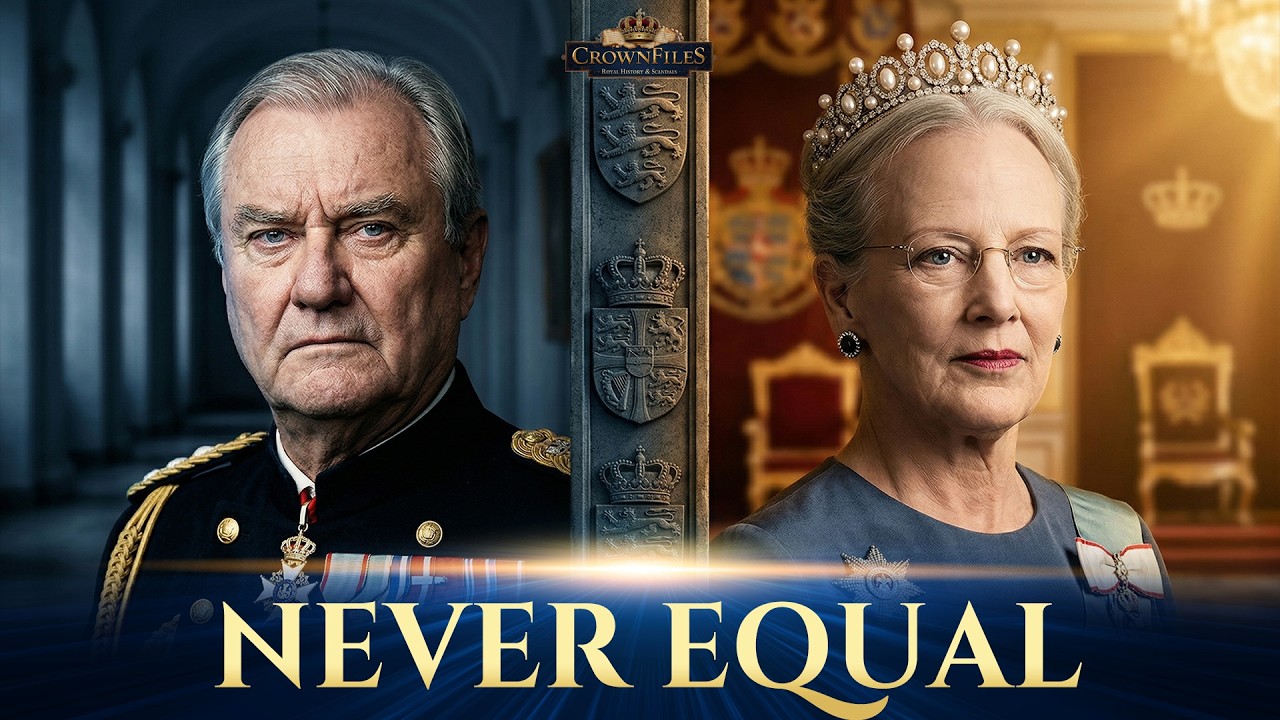
After 40 years beside the Queen, Prince Henrik renounced his title—fed up with never being her equal. He wanted to be King, not just the man behind the throne.
In April 2016, Prince Henrik of Denmark renounced the title of Prince Consort. The move was not a sudden outburst but the final public admission of a grievance that had been building for decades. To the outside world, he was the husband of one of Europe’s most admired queens, a man of polished bearing who […]
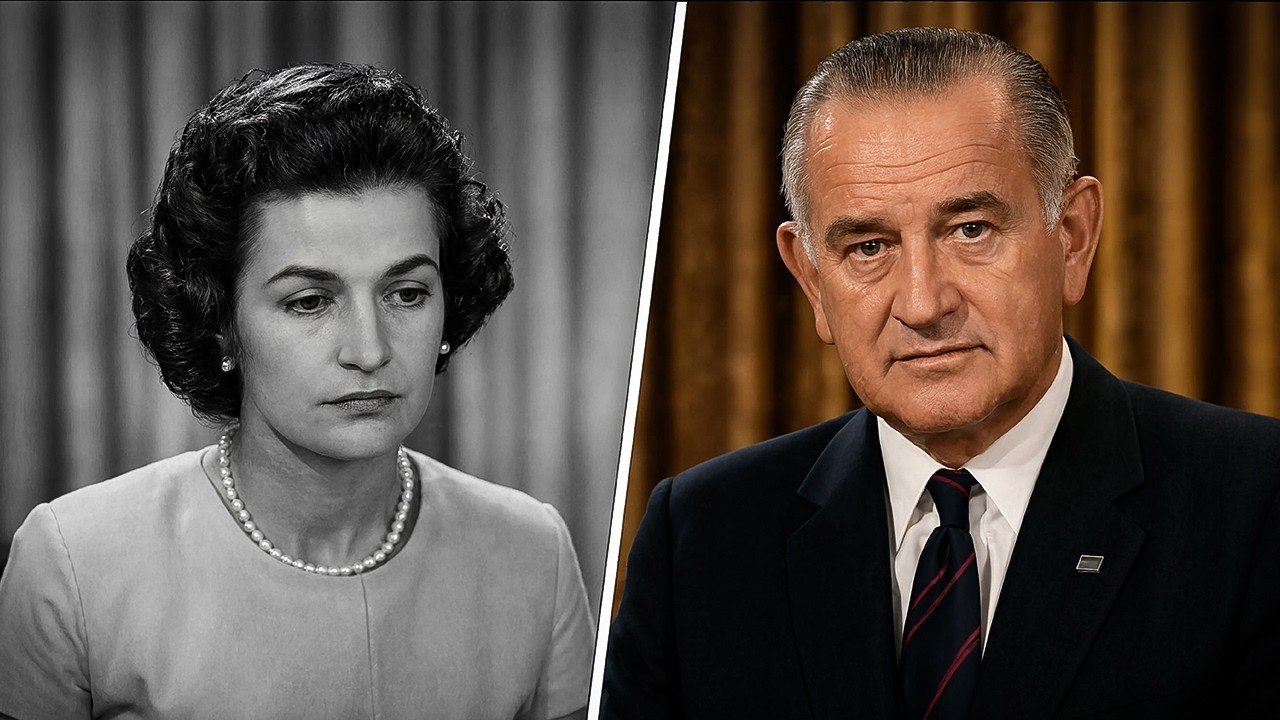
In December 1912, a baby girl was born in Karnack, Texas, and the family nurse nicknamed her Lady Bird. She grew up to marry Lyndon Johnson after a whirlwind courtship, but she was never just a political wife. Using inherited wealth, she bought a small radio station in 1943 and built it into a media empire, making the Johnsons rich long before the White House.
Lyndon Johnson once told his wife, Lady Bird, that she would soon become the most beautiful and the richest widow in Texas. He meant it as a kind of joke, or perhaps a comfort, a forecast of what her life would look like after his. He did not realize, at that moment, that she was […]
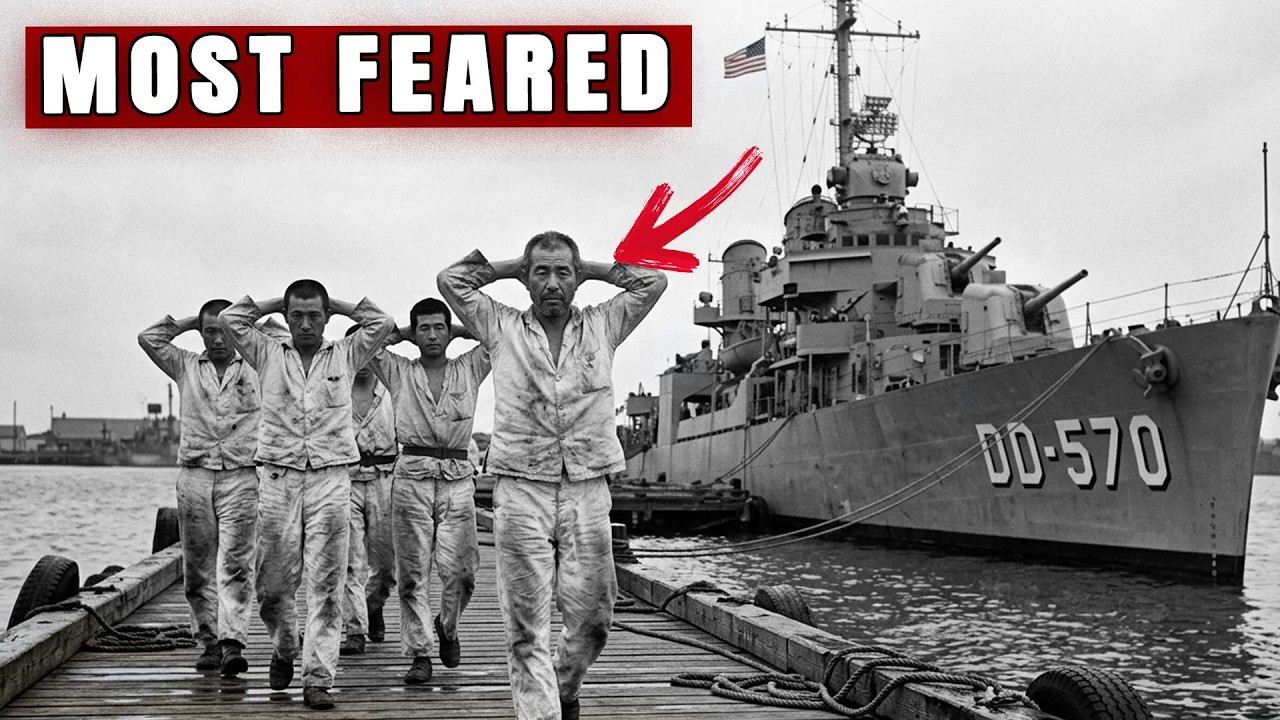
On the evening of December 6, 1941, a U.S. Navy lieutenant commander sat drinking in Washington, D.C., talking about how vulnerable the fleet at Pearl Harbor was—ships bunched together, easy targets for a determined enemy. He and a Marine major joked about sending a warning telegram, then laughed it off, certain nobody would listen to two drunken officers.
The evening of December 6th, 1941, a United States Navy lieutenant commander sat in Washington, D. C. , sharing a drink with a Marine major named Bucky Harris. They were talking about Pearl Harbor. Not the attack—they knew nothing about the attack. They were talking about how exposed the fleet was, how the ships were […]
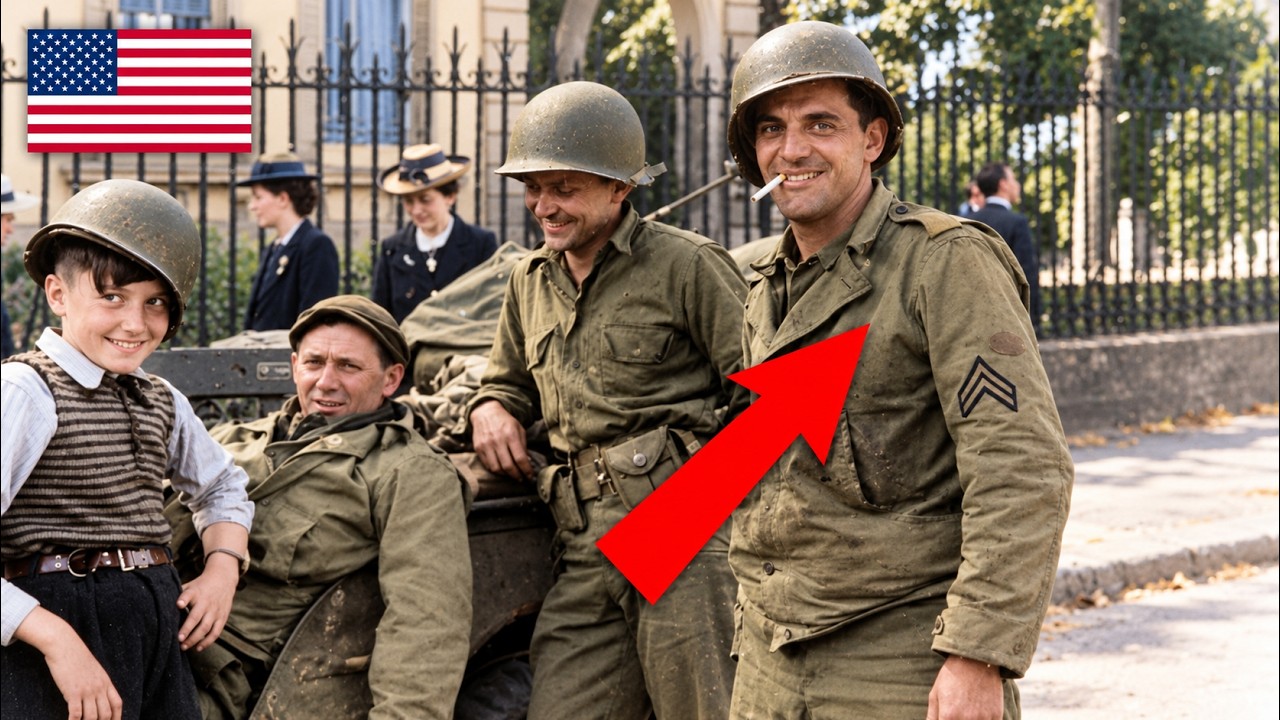
In February 1943, after winning the battle of Kasserine Pass in Tunisia, Field Marshal Erwin Rommel wrote a sentence no victorious commander owes a beaten enemy: the tactical conduct of the American defense had been first class. Berlin had told its soldiers the Americans were rich, soft, and unwilling to fight.
The tactical conduct of the enemy’s defense had been first class. Erwin Rommel wrote that sentence in February 1943, in his own account of the fighting at Kasserine Pass in Tunisia. He had just won that battle. The army he was describing had just lost it. A victorious field marshal owes the beaten side nothing. […]