The dust clung to everything—skin, clothes, and the inside of your throat. In the Wild West, staying clean wasn’t just hard; most days, it didn’t happen at all. There were no hot showers, no soft towels, and definitely no indoor plumbing. Folks washed with cold river water, used corn cobs in the outhouse, and reached for whiskey when soap ran out.
It might sound strange now, but that was everyday life for cowboys and pioneers trying to survive in a tough, dusty world. And survival didn’t leave much room for soap.
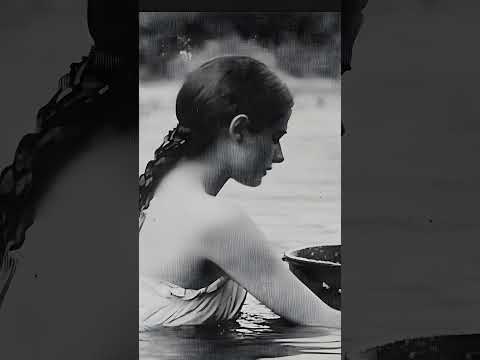
Imagine stepping out of a dusty trail after weeks on the road. Your skin is caked with dirt, your hair stiff with sweat, and the nearest bath is a freezing river miles away. For most, a quick splash was a luxury. “Water’s for drinking, not wasting,” was the unwritten rule of the frontier. And when you did find a moment to wash, it was often a hurried affair—a cloth dipped in a bucket, a scrub with sand, or nothing at all.
But hygiene wasn’t entirely ignored. Pioneers had their own rough-and-ready methods. Lye soap, made from animal fat and ashes, was harsh but effective. Some carried a small mirror and a comb, not for vanity but to check for lice. Whiskey served as a makeshift disinfectant—poured on cuts, used to rinse mouths, and sometimes even rubbed into scalps to kill bugs. It burned like fire, but it worked.
Out on the trail, cowboys went weeks without a proper wash. “You could smell a cowboy before you saw him,” one old-timer recalled. Yet they weren’t oblivious to the stench. When they hit town, the first stop was often the barber—not for a shave, but for a bath. A tin tub filled with hot water cost a nickel, and men lined up to scrub off layers of grime. The water was reused until it turned brown, but nobody complained. It was better than nothing.
For women on the frontier, hygiene was even more challenging. Long skirts dragged through mud and manure, and washing them was a backbreaking chore. Laundry day meant hauling water, boiling clothes in a cauldron, and scrubbing until knuckles bled. Some women used cornmeal as a dry shampoo, sprinkling it through their hair to absorb oil before brushing it out. It was a trick borrowed from Native Americans, who also taught settlers to use yucca root as soap.
But the toughest battle was against disease. Without proper sanitation, dysentery and infections ran rampant. Outhouses were often just a hole in the ground, and corn cobs—yes, corn cobs—were the toilet paper of choice. Newspapers were a luxury, and leaves were risky. When nature called, you grabbed what you could and prayed it wasn’t poison ivy.
And yet, the frontier wasn’t entirely without its rituals of cleanliness. Saturday night was sacred. Even the roughest cowhand would strip down at the riverbank, shivering in the moonlight, and scrub himself raw with a handful of sand and a splash of whiskey. “A clean man’s a lucky man,” they’d mutter, half-believing it.
Pioneer women, meanwhile, turned hygiene into a quiet art. They hung bundles of lavender and sage in their cabins, not for decoration but to mask the smell of unwashed bodies and chamber pots. Vinegar became a miracle worker—dabbed behind the ears, wiped across a table, even used to rinse hair when soap was scarce. It left everything smelling sharp and clean, a small victory against the grime.
Children, of course, were a different story. Most went barefoot from spring to fall, their feet tough as leather, their faces perpetually smudged. Mothers would spit on a rag and scrub a cheek before church, but the dirt always came back. It was a losing battle, and everyone knew it.
Then there was the matter of shaving. For men, a clean-shaven face was a mark of civilization—or at least an attempt at it. A straight razor, a strop, and a tin of shaving soap were prized possessions. Barbers doubled as dentists and surgeons, pulling teeth and stitching wounds between haircuts. A nick from a shaky hand could mean infection, and infection could mean death. Still, men lined up, trusting the barber’s steady grip.
For the women, hair care was its own ordeal. Without shampoo, they brushed their locks a hundred strokes a night, working out dust and tangles. Some rinsed with rainwater collected in barrels, believing it made hair softer. Others swore by egg yolks, beaten and massaged into the scalp before a long rinse in the creek. It was messy, cold, and often futile—but it was something.
And through it all, the frontier kept its own strange code. You didn’t comment on another’s smell. You didn’t point out the stains on a woman’s dress or the grime under a man’s nails. Everyone was dirty. Everyone was tired. And everyone understood that survival came first—and vanity, well, that could wait for another day.
But even in this rough world, change was creeping in. Towns grew. General stores began stocking packaged soap and tooth powder. The first public bathhouses opened their doors, charging a dime for a hot soak and a rough towel. It wasn’t luxury, but it was progress—and on the dusty frontier, progress smelled a whole lot like soap.
Word spread fast when a town got itself a bathhouse. Men who hadn’t seen a proper tub in months rode in from miles around, their saddlebags stuffed with clean shirts they’d been saving for a special occasion. The line stretched down the boardwalk, and the bathhouse owner, usually a shrewd old-timer with a limp, knew exactly what he had. Prices crept up on Saturdays. Nobody haggled. Nobody dared.
Inside, the routine was almost ceremonial. You paid your dime, hung your hat on a peg, and eased into water so hot it made your eyes water. Some men fell asleep right there in the tub, snoring softly while the grime floated off them in gray clouds. The attendant would bang a ladle on the rim when your time was up, and out you’d climb, pink as a newborn, feeling like a different man entirely.
But not everyone trusted the bathhouse. Old-timers swore the shared water carried sickness, and they weren’t entirely wrong. The same tub served a dozen backs before the water was changed, and a man with a rash could pass it along to the next fellow without either of them knowing. Still, most figured a little risk was worth the reward.
For the women, the bathhouse was a rarer indulgence. Respectable ladies didn’t share tubs with strangers, so some towns set aside a back room on certain afternoons. Curtains were hung, water was freshened, and a woman could soak in peace while her children waited outside, throwing stones at a fence post. It was a small luxury, but it meant the world.
Meanwhile, the general store shelves told their own story of change. Next to the tobacco and the harness oil sat neat little boxes of tooth powder, cakes of wrapped soap, and bottles of something called “toilet water”—a fancy name for scent that made a body smell like flowers instead of horse. The older cowboys scoffed at it. The younger ones bought it anyway, tucking it into their saddlebags where nobody could see.
And out on the lonely ranches, far from any town, families made do as they always had. A barrel behind the house caught rainwater, and that was the bath, the laundry, and the dishwater all in one. Children were scrubbed in it on Sunday mornings whether they liked it or not. A mother’s hand on a washrag was a force of nature, and no amount of squirming could escape it.
Yet even here, the old ways were slowly giving ground. A traveling peddler might ride through with a crate of factory soap, and a rancher’s wife would trade a jar of preserves for a bar of it. She’d set it on the shelf like a treasure, saving it for the good shirts and the Sunday collars. Progress, it turned out, arrived one small bar at a time.
Still, the frontier had a long memory, and its lessons stuck. A man might own a fancy new toothbrush and still rinse his mouth with whiskey when the tooth powder ran low. A woman might hang lavender in her parlor and scrub her floors with vinegar, just as her mother had. The new ways and the old ways sat side by side, uneasy neighbors on a dusty shelf.
And that was the frontier in a nutshell—half stubborn tradition, half tentative progress. You held onto what kept you alive and grabbed at what made life a little sweeter. Nobody threw out the whiskey bottle just because a bar of factory soap showed up in town.
Years later, when the railroads came and the towns grew fat and comfortable, folks would look back on those dusty days with a strange sort of fondness. “We were filthy,” they’d laugh, “but we were free.” The children who’d been scrubbed with spit and cold water grew up to install the first indoor plumbing, and their children never knew the sting of lye soap or the chill of a midnight river bath.
But the old ways never quite died. Somewhere out on a lonely ranch, a grandmother still kept a bundle of sage by the door and a jug of vinegar under the sink. And on a hot Saturday night, a young cowhand still shivered in the creek, scrubbing with sand and muttering that a clean man was a lucky man.
Maybe he was right. Maybe cleanliness was never really about the soap at all—it was about the small, stubborn dignity of trying. Of standing in the cold water and deciding you were worth the effort, even when nobody was watching.
So the next time you turn a knob and step into a hot shower, spare a thought for the dusty souls who came before. They’d have traded a month’s wages for five minutes of your morning routine. What would they say if they could see us now—and what would we say if we had to survive a single week in their boots?
Report this article
Select a reason for reporting:






