Step into a time machine and witness the golden age of Hollywood like never before. These rare candid photos capture the raw, unscripted moments of legends before fame rewrote their lives. From the glamour of the 1930s to the charm of the 1950s, every frame tells a story of ambition, laughter, and the quiet before the storm.
Imagine stumbling upon a hidden archive where stars lived, laughed, and shined behind the camera. This is your invitation to explore forgotten Hollywood moments that feel like stepping into another time.
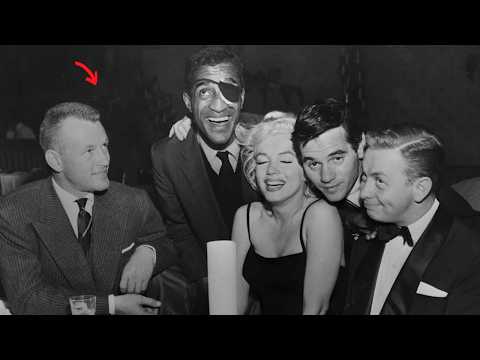
The 1930s: a decade of grit and glamour. Here, a young starlet practices her smile under dim studio lights, unaware of the icon she’ll become. “Did you ever think we’d make it this far?” a voice whispers, but the answer is lost in the click of a shutter.
These images aren’t just photographs—they’re portals. Feel the nervous energy before a first audition, the thrill of a chance encounter, the weight of a dream not yet realized.
As the 1940s roll in, the mood shifts. War looms, and Hollywood becomes an escape. Candid shots show stars in unguarded moments: sharing a cigarette, rehearsing lines, or simply staring into the distance. “This is our time,” someone says, and you can almost hear the determination.
Which era speaks to you? The golden 40s, stylish 50s, or dramatic 70s? Let us know in the comments.
But the story doesn’t end here. These photos are just the beginning—a glimpse into lives that would soon be transformed by fame. Stay with us as we uncover more hidden gems from the Retro Reel Archive.
The 1950s arrive with a burst of Technicolor optimism. Here’s a starlet on the backlot, still in her street clothes, laughing at a joke only she can hear. The photographer catches her mid-gesture, hand raised as if to wave off the future. “They’ll never believe this was me,” she murmurs, and the camera freezes the moment forever.
Notice the unlit cigarette between her fingers, the scuffed heels, the way her eyes hold both hope and hesitation. This is the quiet before the storm—before the contracts, the headlines, the heartbreak.
These candid shots reveal what the studio portraits never could: the human behind the icon. A young actor rehearses a scene alone in an empty soundstage, his voice echoing off the rafters. “One more take,” he tells himself, and you can feel the desperation in his stance.
By the late 1950s, the dream has hardened into reality. Candid photos show stars in their dressing rooms, exhausted but triumphant. One legend sits before a mirror, wiping away makeup, her expression unreadable. “Is this what I wanted?” she asks the silence, and the question lingers.
These images aren’t just nostalgia—they’re a mirror. They ask us what we would sacrifice for a shot at greatness, and whether the price is ever worth it.
As the 1960s approach, the mood grows restless. The old studio system is crumbling, and the faces in these photos seem to sense it. A group of young actors huddle together on a break, sharing secrets and cigarettes. “Everything’s changing,” one says, and the others nod, half-afraid, half-excited.
These are the moments that history forgets—the laughter between takes, the nervous glances, the whispered doubts. They remind us that legends were once just people, dreaming in the dark.
Which of these eras feels most alive to you? The grit of the 30s, the defiance of the 40s, or the restless energy of the 50s? Share your thoughts below.
The 1960s bring a different kind of electricity. On a sun-bleached lot, a young method actor paces between takes, script rolled tight in his fist. He doesn’t notice the camera—or doesn’t care. “I’m not playing a role,” he mutters to no one, “I’m becoming him.” The shutter clicks, and the intensity is preserved like a fossil.
Nearby, a veteran leading lady watches him with something between admiration and pity. She’s seen this fire before. She knows what it burns.
These candid frames from the mid-60s capture a turning point. The polished studio machine is giving way to something rawer, more personal. Actors are no longer just faces—they’re auteurs, rebels, voices.
A director huddles with his crew in a cramped trailer, storyboards scattered across the floor. “We’re not making a movie,” he insists, jabbing a finger at the wall. “We’re making a statement.” The camera catches the exhaustion in his eyes, the coffee cups stacked like a small fortress.
Then comes the 1970s—dramatic, defiant, and unafraid. The photos grow grainier, the lighting harsher. Here’s a star in a smoky backroom, sunglasses on indoors, cigarette dangling. He looks like he’s hiding from something, or maybe chasing it. “You want the truth?” he seems to say. “It’s not pretty.”
A young actress sits cross-legged on the floor of her trailer, reading a dog-eared script. No glamour, no makeup, just raw determination. She’s already been told she’s too much, too intense, too difficult. She doesn’t care.
These are the faces of a new Hollywood—one that questions authority, breaks rules, and refuses to smile for the camera unless it means something.
And yet, in the quietest frames, you see the same vulnerability as always. A legend stares out a window at dusk, alone. The party’s over. The applause has faded. “Was any of it real?” the image seems to ask.
By the late 70s, the mood darkens. Candid shots show stars in unguarded moments of doubt—arguments on set, lonely walks to trailers, the weight of fame pressing down. One actor sits on a curb outside a premiere, still in his tuxedo, staring at nothing. He looks like a man who got everything he wanted and isn’t sure why.
These photos don’t offer answers. They offer something better: a mirror. A chance to see the human behind the legend, the dream behind the spotlight.
Which moment has stayed with you the longest? The raw ambition of the 60s, or the haunting honesty of the 70s? The archive holds more secrets yet.
And then, the 1980s arrive like a neon sunrise. The photos turn glossy, the shoulder pads widen, and the smiles come back—but they’re different now. Harder. More knowing. Here’s a young ingénue in a leotard and leg warmers, stretching before an audition that could change everything. “This is my moment,” she tells the mirror, and you can almost hear the synthesizer swelling in the background.
But look closer. Behind the big hair and bold lipstick, there’s a flicker of something else. Fear? Exhaustion? The same quiet doubt that haunted the stars of the 30s. Fame hasn’t changed—it’s just gotten louder.
A veteran actor from the old studio days sits in his trailer, watching the new generation on a grainy monitor. He doesn’t say a word, but his eyes betray him. He’s seen this movie before. The rise, the fall, the desperate grab for immortality.
These final frames from the Retro Reel Archive aren’t just a conclusion—they’re a question. What have we learned from these forgotten moments? That legends are human. That dreams cost more than we admit. And that the camera never lies, even when we wish it would.
“Was any of it real?” the images seem to ask one last time. The answer is up to you.
Which era spoke to you the most—and what would you sacrifice for a shot at forever? Share your thoughts in the comments below.
Report this article
Select a reason for reporting: