The roar of the mower had always been his anthem. For millions of viewers, Al Bladez was the guy who turned jungle-like yards into pristine lawns, a beacon of hope in a chaotic world. But behind the satisfying transformations and viral before-and-afters, something was rotting—and it wasn’t just the grass.
In May 2020, as the pandemic locked the world indoors, a humble lawn care worker in Port Orange, Florida, uploaded his first video. Little did he know, that simple act would catapult him to internet stardom—and then into a silence that left everyone guessing.
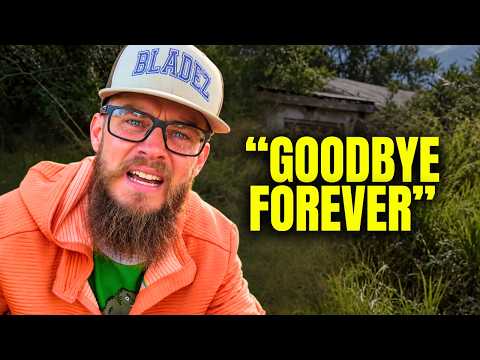
Al Bladez wasn’t just cutting grass; he was crafting stories. Each overgrown yard held a secret—a struggling widow, a disabled veteran, a family on the brink. With every pass of the mower, he offered not just a clean lawn but a lifeline. The formula worked. Within months, his channel exploded, racking up millions of views and a devoted following.
But as the channel grew, so did the darkness lurking beneath the surface. The comments turned from praise to concern. The videos, once filled with lighthearted banter, grew tense. Something was wrong, and fans could feel it.
Behind the camera, Al—whose real name is Ahmed—was battling demons no one knew about. The pressure to produce, the relentless schedule, the physical toll of grueling labor under the Florida sun—it was all catching up. Then came the legal threats. A homeowner accused him of trespassing, of exploiting their hardship for clicks. The controversy spread like wildfire, and Al retreated.
In October 2023, he vanished for a month, posting only cryptic updates. When he returned, he spoke of health issues—severe migraines, a dental infection that required surgery. Fans rallied, but the cracks were showing. Was this the beginning of the end?
Despite the setbacks, Al kept going. He launched GoFundMe campaigns that raised tens of thousands for families in need. He collaborated with other creators, spreading the gospel of free lawn care. But the toll on his body and mind was undeniable.
Then, on May 19, 2026, a short note appeared on his forum: no video today. He needed to step back, to heal. The announcement was vague, but the message was clear—Al Bladez, the man who had helped so many, was now the one in need of help.
As fans await his return, one question lingers: What happens when the helper can no longer help himself?
The silence that followed was deafening. For weeks, the channel’s comment sections became a makeshift support group, fans trading theories and well-wishes in equal measure. Some speculated burnout; others feared something far worse. But Al—Ahmed—remained quiet, leaving only the hum of unanswered questions.
Then, in early June 2026, a single photo surfaced on his Instagram story. It showed a pair of worn work boots, caked in dried mud, sitting by a hospital bed. No caption. No explanation. Just a silent testament to an unfinished journey.
The image spread like wildfire across lawn care forums and creator communities. Within hours, #AlBladezStrong was trending. Fellow creators like SB Mowing and The Lawn Care Juggernaut posted messages of solidarity, while fans flooded GoFundMe pages with donations in his name—a collective thank-you for years of selfless service.
But the truth, when it finally emerged, was more complicated than anyone imagined. On June 15, a video titled “The Real Reason I Stopped” appeared on his second channel. It wasn’t the polished, upbeat Al his fans knew. This was a man stripped bare, speaking from a place of raw honesty.
He revealed that the dental infection from 2024 had never fully healed. The bacteria had spread to his jawbone, causing chronic pain and fatigue that made even simple tasks unbearable. Surgery had been scheduled, but complications arose—an allergic reaction to the antibiotics, followed by a secondary infection that landed him in the ICU for five days.
“I wanted to be Superman,” he said, his voice cracking. “But Superman doesn’t exist. I’m just a guy with a mower and a camera, and my body finally said enough.”
He also addressed the legal battles, the accusations of exploitation. “I made mistakes. I got caught up in the views, the money, the pressure. But I never stopped caring about the people behind those overgrown lawns.” He paused, wiping his eyes. “If I could go back, I’d do things differently. I’d ask first, film less, listen more.”
The video ended with a promise: he wasn’t done. He just needed time. “The grass will always grow back,” he said with a faint smile. “And so will I.”
But as the screen faded to black, one thing was clear—the road ahead was longer and harder than any lawn he’d ever tackled. And this time, the transformation wouldn’t be captured in a time-lapse.
The comment sections, once battlegrounds for turf wars and viral debates, transformed into something else entirely. Fans began sharing their own stories—of illness, of loss, of quiet battles fought behind closed doors. The channel that had once been about manicured lawns now became a testament to the messy, unkempt reality of being human.
In late June, a fan named Maria posted a photo of her father’s yard—overgrown, neglected, a jungle of weeds and forgotten dreams. Her father had been Al’s first paying customer back in 2020, before the cameras, before the fame. He had Alzheimer’s now and no longer remembered the man who had once saved his lawn. Maria’s post ended with a simple request: “Can we do for Al what he did for us?”
The response was immediate. Within days, a coordinated effort emerged—not a GoFundMe, but something more personal. Fans organized local lawn care days in their own communities, filming the transformations and posting them with the hashtag #MowForAl. No monetization, no ads, just neighbors helping neighbors.
Then, in early July, a familiar face appeared in the comments of one of those videos. It was Al—or rather, Ahmed—posting under his personal account for the first time in months. “I’m watching every single one,” he wrote. “And I’m crying like a baby. Thank you.”
The post didn’t reveal his location or his prognosis, but it confirmed what fans had hoped: he was still there, still fighting. The video he commented on was by a teenage girl in Ohio who had mowed twelve lawns in one weekend, donating the money she would have earned to a local food bank. She dedicated the video to Al, saying he had inspired her to start her own lawn care business.
Behind the scenes, the other creators in the lawn care space were quietly reorganizing. SB Mowing announced a new series called “Passing the Torch,” where he would mentor young landscapers from underserved communities. The Lawn Care Juggernaut launched a podcast about the mental health toll of content creation. Even MrBeast, the king of YouTube philanthropy, reached out privately, offering to fund a documentary about the lawn care movement.
But the most telling development came from Al’s own team. In mid-July, a cryptic post appeared on the Grass Master Outdoors website: “New chapter loading…” No details, no dates, just a blinking cursor and a green progress bar. Fans speculated wildly—was he coming back? Was this a new channel? A book? A foundation?
Then, on July 20, a teaser dropped. Fifteen seconds long. No music, no voiceover. Just a shot of a pair of work boots—the same mud-caked boots from the hospital photo—walking across a freshly cut lawn. The camera panned up to reveal a mower, gleaming in the Florida sun, and a hand resting on the handle. The screen went black. Text appeared: “The grass grows back. So do we.”
No release date. No explanation. But the message was unmistakable. Al Bladez wasn’t just returning—he was evolving.
The teaser did what teasers do best: it ignited a firestorm of speculation. Every lawn care forum, every YouTube comment section, every group chat buzzed with the same question—when? But the answer didn’t come from Al. It came from the grass itself.
On August 2, 2026, a new video appeared on the main channel. No thumbnail reveal, no countdown. Just a title: “The First Cut Back.” The video opened not with a mower, but with a close-up of Ahmed’s hands—scarred, calloused, trembling slightly. He didn’t speak for the first minute. He just walked the camera through a yard so overgrown it looked like a forgotten meadow.
Then, finally, his voice: “I used to think the grass was the enemy. Now I know it was never about the grass at all.”
The transformation that followed wasn’t the fastest or the most dramatic. It was slow, deliberate—almost meditative. Ahmed mowed in silence, the engine’s hum replacing his usual commentary. No time-lapse. No flashy edits. No monetization. Just a man and a mower, reclaiming a patch of earth and, in the process, himself.
When the video ended, a simple message appeared on screen: “This one’s for Maria’s dad. And for everyone who’s ever felt forgotten.” The comments exploded—not with questions about his health or the lawsuits, but with gratitude. Fans shared photos of their own reclaimed yards, their own small victories. The lawn care movement had always been about more than aesthetics; now it was about healing.
In the weeks that followed, Ahmed posted sporadically—never on a schedule, never with a promise. Some videos featured the old Al energy: quick cuts, playful banter, satisfying before-and-afters. Others were quieter, more introspective. He talked openly about therapy, about learning to set boundaries, about the guilt of stepping back. “I thought if I stopped, I’d let everyone down,” he admitted in one video. “But letting myself down was worse.”
The legal disputes faded into the background. The homeowner who had accused him of trespassing eventually reached out privately; they settled their differences, and Ahmed filmed a follow-up video—with permission this time—transforming her yard into a community garden. It became one of his most-watched videos ever, not because of the transformation, but because of the apology.
By the fall of 2026, the channel had changed. The thumbnails were less sensational, the titles less clickbaity. Ahmed had hired a small team—not to scale up, but to slow down. He filmed fewer yards, but each one got more attention. He still accepted free jobs, but now he asked first. Always.
And the #MowForAl movement? It never stopped. It had become something bigger—a global network of creators and volunteers who mowed lawns for the elderly, the sick, the forgotten. SB Mowing’s “Passing the Torch” series featured Ahmed as its first guest mentor. The episode ended with the two of them standing side by side, mowers idling, looking out over a freshly cut field.
“You know what I learned?” Ahmed said, turning to the camera. “The grass doesn’t care about your views. It doesn’t care about your sponsors. It just grows. And if you’re lucky, you get to grow with it.”
As 2026 drew to a close, Ahmed posted one final video for the year. It wasn’t a transformation. It was a thank-you. He stood in his own backyard—the one he’d neglected for years while tending to everyone else’s—and addressed the camera directly.
“I spent so long trying to fix everyone else’s yards that I forgot to fix my own. But I’m learning. And that’s enough.”
The video ended with a wide shot of his backyard, still a work in progress, weeds poking through the soil. He didn’t hide the imperfections. He celebrated them.
And then, the final frame: a single question, written in white text against the green grass. “What’s one thing you’ve been neglecting in your own life?”
The comments flooded in—honest, vulnerable, human. And somewhere in Florida, a man with a mower and a camera smiled, knowing he’d finally found the right question to ask.
What about you—what’s the overgrown patch in your life that you’ve been avoiding? And what would it take to start cutting back?
Report this article
Select a reason for reporting:






