The letter was stained with mud and something darker—blood, perhaps—but the handwriting was steady, almost cheerful. “I sent you cloths and a pair of boots a few days ago,” wrote Sergeant Wilhelm Balman from somewhere near Moscow. “I will do my best and send anything that is of any use.” It was October 1941, and the German army was still marching east, still certain of victory. But the words on the page hid a creeping dread that would soon consume them all.
These were the letters that never made it home—or did, only to be tucked away in attics and archives for decades. They tell a story of a war that began with looting and bravado, and ended in the frozen hell of Stalingrad. This is the story of how the mood of an entire army shifted, one letter at a time.
In the first months after the invasion of the Soviet Union, the letters were filled with the swagger of conquerors. Soldiers wrote of the wealth they had seized—watches, furs, food—and sent it back to their families with pride. “You should see what we have found here,” one officer wrote. “The Russians have no idea how to fight.” The mood was electric, the belief in a quick victory unshakable.
But by the winter of 1941, the tone had begun to curdle. The same men who had once bragged of easy victories now wrote of exhaustion and doubt. “This is a very tiresome war,” confessed Non-Commissioned Officer Walter Oss. “The enemy Russians are clearly underestimated.” The words were a quiet admission of failure, a fracture in the facade of invincibility.
The letters became shorter, more desperate. The promised victory before the cold set in had not materialized. Instead, the soldiers faced a winter they were not prepared for—and an enemy that refused to break. “Every day melts the hope for a speedy victory,” Oss continued. The looted goods that had once seemed like trophies now felt like burdens, reminders of a campaign that was slipping away.
What these men could not know was that the worst was yet to come. The letters from the front lines of 1941 were only the opening chapter of a tragedy that would unfold in the snows of Moscow and the ruins of Stalingrad. And as the ink faded on the pages, so too did the confidence of an army that had once believed it was invincible.
The letters from the autumn of 1941 were not yet desperate—but they were no longer triumphant. In them, the swagger had given way to something more cautious. “The Russians fight with a stubbornness we did not expect,” wrote Lieutenant Erich Hartmann from a village outside Vyazma. “They burn their own homes rather than let us take them.” The tone was one of grudging respect, tinged with unease.
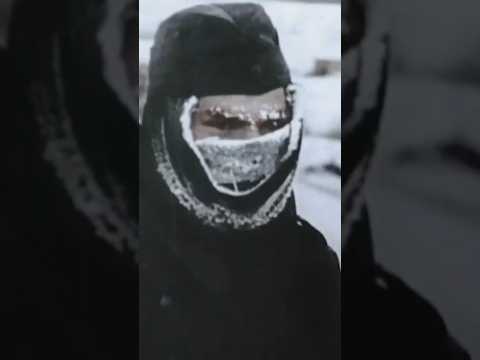
By November, the weather had turned. The mud froze, then thawed, then froze again, turning roads into rivers of ice. Soldiers who had written of looted furs now begged for warm socks. “Send woolen underwear,” one corporal pleaded. “The cold here is not like home. It bites through everything.” The same men who had once sent home silk stockings and silver spoons now wrote of frostbite and frozen rifles.
And still, they believed. “Moscow is close,” wrote Private Josef Keller in early December. “We can see the spires from the hill. One more push and it is ours.” But the push never came. The offensive stalled at the gates of the city, and the Red Army counterattacked with fresh divisions from Siberia.
The letters from that winter changed again. The bravado vanished entirely. “We are fighting for our lives now,” wrote Oss in a letter dated Christmas Eve. “The enemy is everywhere. They come out of the snow like wolves.” The words were no longer about victory—they were about survival. The looted goods, the promises of glory, the dreams of home—all of it seemed distant, almost absurd.
What the soldiers did not yet know was that Moscow would be the first crack, but not the last. The winter of 1941 broke the myth of the invincible Wehrmacht. And as the letters grew shorter, more frantic, one thing became clear: the war in the East would not be won by swagger. It would be won by endurance—or not at all.
The spring of 1942 brought a thaw, but not relief. The letters that survived the winter were different—thinner, more guarded. “We are rebuilding,” wrote Sergeant Balman, his earlier cheerfulness replaced by a flat, mechanical tone. “The regiment is not what it was. Too many empty spaces.” He no longer mentioned loot. The furs and watches had become a bitter joke among the men, trinkets from a party that had ended too soon.
Yet the German High Command insisted the war was still winnable. New offensives were planned, new victories promised. The soldiers wrote home with forced optimism, but the cracks were showing. “They tell us the Russians are finished,” wrote Lieutenant Hartmann in May. “But I have seen them. They are not finished. They are learning.” The grudging respect of the previous autumn had hardened into something closer to fear.
By summer, the letters carried a new theme: the vastness of the land. “You cannot imagine the distances,” wrote Private Keller. “We march for days and the horizon does not change. It is like the country is swallowing us.” The same men who had once boasted of easy conquest now wrote of exhaustion and isolation. The looted goods had long stopped arriving at home; there was nothing left to send but words.
And then came Stalingrad. The letters from the autumn of 1942 were different again—not just tired, but haunted. “The city is a ruin,” wrote Oss in October. “We fight for a single building, then lose it, then take it again. It is madness.” The tone was no longer about victory or even survival—it was about endurance, about holding on to something that no longer made sense.
In November, the letters stopped almost entirely. The encirclement had begun. The men of the Sixth Army wrote their final messages home, knowing they might never be delivered. “Do not wait for me,” wrote Balman in a letter dated December 1942. “The war has taken everything. Tell my son I tried.” It was the last letter he ever sent.
What the soldiers at Stalingrad could not know was that their letters—the ones that survived—would become a record of an army’s slow unraveling. From the swagger of the first months to the silence of the frozen ruins, the words traced a journey from confidence to despair. And as the ink faded on the pages, so too did the last illusions of an army that had once believed it was invincible.
The letters that emerged from Stalingrad’s ruins were not the last. In the months that followed, as the survivors were marched into captivity, a few more messages slipped through—scrawled on scraps of paper, hidden in pockets, passed to anyone who might carry them west. They were no longer about victory or loot or even survival. They were about memory.
“If you find this,” wrote a soldier named Franz, his handwriting barely legible, “tell my wife I did not believe the lies at the end. Tell her I thought of her every day.” The words were not unique. They were repeated in a hundred variations, each one a small act of defiance against the silence that was closing in.
By early 1943, the letters had stopped entirely. The Sixth Army was gone. What remained were the ones that had been sent before the encirclement—the ones that had made it home, tucked into envelopes and read by families who had no idea what was coming. Those letters were all that was left.
And what did they say? They said what soldiers always say when the end is near: “I love you. I am sorry. Remember me.” The swagger was gone. The loot was forgotten. The only thing that mattered was the people they had left behind.
The war in the East would grind on for two more years, but for the men of the Sixth Army, it was over. Their letters—the ones that survived—became a warning, a record of how an army’s confidence curdled into despair. And as the ink faded on those pages, one question remained: what would the next generation learn from them?
What do you think—do these letters offer a lesson for today, or are they just relics of a war we’ve already forgotten?
Report this article
Select a reason for reporting:






