In the dusty, lawless towns of the American frontier, where gunfights echoed and fortunes were made overnight, a different kind of power was rising—one that didn’t carry a six-shooter but commanded respect, fear, and envy. These were the madams, the women who ran the brothels and, in many ways, the towns themselves. They were the hidden architects of the Wild West, wielding influence that stretched far beyond the swinging saloon doors.
Picture it: the late 1800s, a time when the West was a beacon of opportunity and chaos. Towns sprang up like weeds around gold and silver strikes, drawing thousands of fortune seekers—miners, gamblers, outlaws—all hungry for a piece of the action. In this rough-and-tumble world, women were scarce, and those who dared to carve out their own path often found themselves at the center of a storm. At the top of this unconventional ladder stood the madam, a woman who turned societal outcast status into a position of extraordinary power.
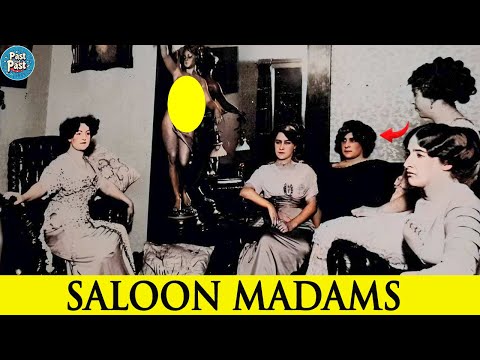
Back east, women were bound by rigid moral codes and limited opportunities. But out west, the rules were different. The scarcity of women meant there was a constant demand for companionship, entertainment, and comfort. The madam didn’t just fill that demand—she exploited it, building empires from nothing. Many started as fugitives from abuse, poverty, or tragedy, yet managed to create something extraordinary. In a world where women could barely own property or open a bank account, the madam did both—and more. She managed payroll, negotiated with suppliers, and dealt directly with lawmen and town leaders. She was both respected and feared, sometimes in equal measure.
Running a brothel was no small feat. The madam wore many hats: recruiter, manager, protector, and sometimes mother figure. She set the rules, handled the finances, and decided who could come through the door. Security was a daily concern, with rowdy cowboys, drunken miners, and outlaws posing constant risks. Many madams hired bouncers or struck deals with local lawmen for protection. They had to be tough as nails, smart as whip, and compassionate enough to keep their staff loyal. The women who worked for them—often called ‘soiled doves’ or ‘painted ladies’—were both shunned and relied upon, a paradox that defined the madam’s existence.
But the madam’s influence extended far beyond the brothel walls. They were true power brokers, shaping local politics, law enforcement, and community planning. With the constant threat of legal crackdowns, they became master negotiators, using charm or bribes to keep their doors open. In many towns, the local economy depended on the traffic their establishments brought in. General stores, tailors, saloons, and boarding houses all benefited. Madams contributed unofficial taxes and fines, and their donations to local police ensured they were left alone. It was an open secret—everyone knew who kept the wheels greased.
Charity was another key piece of their influence. Public expectations demanded that those who profited from vice give back in times of need. Many madams became known for their generosity. Belle Brezing, for instance, supported local charities so openly that some believe she inspired the character Belle Watling in Gone with the Wind. Jesse Reeves donated to homeless shelters and delivered blankets to firefighters during wildfires. These acts of kindness softened their image, turning them into pillars of the community—shunned by some, yet absolutely vital when the chips were down.
Not every madam’s story was squeaky clean. Some formed close ties to the criminal underworld. Fanny Porter’s brothel in Texas doubled as a hideout for Butch Cassidy and the Wild Bunch. She never turned in a fugitive and even played matchmaker for outlaws. Her loyalty made her a legend, but it also highlighted the constant danger these women faced. Violence was a daily risk, not just from customers but from rivals and even their own staff. Kurt Thompson, a madam in Virginia City, was notorious for her fiery temper and readiness to throw fists. In one incident, she beat an employee so badly that the woman had to be tossed out—yet the judge sided with Thompson, proving just how much influence madams could wield, even in the legal system.
These stories reveal that madams weren’t just business managers—they were connectors, enforcers, and the beating heart of their communities. Through generosity, sharp business instincts, or sheer force of will, they left a mark on the Wild West that went far deeper than most history books let on. But their power came at a price, and the risks were ever-present. In the next part, we’ll explore the business model that made some madams rich beyond imagination and the challenges that threatened to bring them down.
To truly understand the world of the Wild West madams, you have to follow the money. Behind the swinging doors and velvet curtains was a thriving industry that brought in staggering profits, all under the direction of sharp and strategic women. Unlike the popular image of chaos and desperation, brothels on the frontier often operated like well-oiled businesses, sometimes outshining their more respectable competitors.
At its heart, the business model was surprisingly sophisticated. Madams managed every aspect: recruitment, payroll, maintenance, supply chains, security, and of course, marketing. Their goal was simple—keep the house full, the clients happy, and the money flowing. Some establishments operated as small cribs, humble basic rooms where business was brisk and unglamorous. But at the top end were parlor houses, lush mansions outfitted with the finest furniture, imported fabrics, and chandeliers sparkling above marble floors. For madams aiming high, luxury and exclusivity were the name of the game.
These first-class brothels offered more than just an evening’s company. Patrons might enjoy top-shelf bourbon, imported wines, fine cigars, and elaborate dinners complete with champagne. Some houses featured live piano music or singing, transforming a visit into an event rather than a simple transaction. Every detail, from the decor to the dress code, was carefully curated to attract the wealthiest clients: mine owners, businessmen, outlaws flushed with cash, or even politicians. Some parlor houses only accepted guests by appointment, and the most successful madams could afford to handpick their clientele.
In these elite circles, prices soared. Take Pearl DeVere of Cripple Creek, Colorado. Her establishment was so exclusive that a single visit could cost as much as $1,000—a staggering sum at the time. A madam like Pearl was more than a business owner. She was the face of a brand, selling not just pleasure, but status and luxury. Patrons were willing to pay a premium for privacy, discretion, and the experience of rubbing elbows with high society, at least for a night.
Managing profits in such an environment required business savvy on par with any big-city entrepreneur. Madams kept meticulous records, tracked expenses, and reinvested profits. Many bought up land, fine horses, or valuable real estate, growing their wealth beyond the brothel doors. In some cases, the profits from a successful brothel helped launch a small empire, investing in local businesses or even funding community improvements.
But the money didn’t just flow to the top. Madams made decisions about how earnings were split—sometimes generously, sometimes ruthlessly. In many houses, women paid rent for their rooms and gave a portion of their earnings to the madam in exchange for food, shelter, security, and clientele. The percentage varied from house to house, but in high-end establishments, madams who treated their workers fairly often had their pick of the most talented and reliable women. This reputation for fairness could be a big draw in an industry where exploitation was common.
On the other hand, there were certainly madams who saw their workers as little more than commodities. Some took nearly all the earnings, charging for every meal and article of clothing, and quickly casting out anyone who couldn’t keep up. Life inside these houses was a constant hustle—every woman for herself. Still, even in the most cut-throat houses, the business had to be maintained with order enforced and standards upheld. The survival of the brothel depended on reputation, reliability, and the ability to manage both people and profits.
One important, often overlooked aspect of the business model was safety. Security was a daily concern, and many madams hired bouncers, guards, or even local lawmen to keep unruly customers in check. Protecting the business wasn’t just about the bottom line—it was about keeping everyone safe in an environment where danger always lurked just outside the door.
For all its risks and challenges, the business of being a madam in the Wild West could turn a determined woman into one of the most successful and influential figures in town. It wasn’t just about making money—it was about creating something lasting, building a reputation, and for some, even finding a kind of respectability in a world that rarely handed it out. That’s the story hidden behind the velvet curtains: a high-stakes game of risk and reward where only the sharpest women thrived.
If running a brothel required business savvy, it demanded just as much skill in managing people and appearances. In towns where gossip traveled faster than the Pony Express, a madam’s public image was her greatest asset—or her quickest downfall. Some, like Julia Bulette, embraced high society with flair, arriving at public events in lavish carriages and exquisite gowns. Others, like Mattie Silks, kept a lower profile, letting whispers build mystique that made their houses even more exclusive.
Within the walls, the madam was boss, landlord, protector, and sometimes mother figure. She set schedules, settled disputes, and ensured the staff looked presentable—since appearance meant everything in attracting high-paying customers. Strict rules were enforced, and those who broke them could be shown the door without hesitation. It was pure survival, and the madams who mastered it set themselves apart from the rest.
Yet for all their success, life was never truly safe. Health issues were ever-present—tuberculosis, syphilis, and failed abortions claimed lives in silence. Violence lurked at every turn, from rowdy cowboys to jealous rivals. Even the danger of addiction loomed large. Pearl DeVere’s sudden death, found in her lavish parlor dressed in a pink Parisian gown, was believed to be from a morphine overdose—a tragic end all too common. Financial instability threatened even the most successful, and the emotional cost of a ruined reputation could be devastating.
Despite it all, these women built legacies that outlived them. Some invested wisely and acquired property; others gave back generously, funding civic improvements and supporting neighbors in need. Their influence rippled outward, shaping the towns and cities of the American frontier in ways history books often overlook. Today, their names live on in stories, walking tours, and legends—reminders that the boldest pioneers didn’t always carry a six-shooter.
So which madam’s story surprised you the most—the charitable Belle Brezing, the fearless Mattie Silks, or the glamorous Pearl DeVere? Let us know in the comments below!
Report this article
Select a reason for reporting:






