The airwaves crackled with rebellion. In the 1960s and 1970s, music wasn’t just entertainment—it was a battlefield. Stations pulled records, governments issued bans, and parents clutched their pearls as artists dared to challenge the status quo. But what made these songs so dangerous? Was it the lyrics that spoke of sex, drugs, and revolution? Or the fear of a generation waking up to its own power? From the Rolling Stones’ gritty anthems to the Sex Pistols’ snarling punk, we’re counting down 20 tracks that were banned, censored, and condemned—songs that refused to be silenced.
These weren’t just controversial; they were threats to the establishment. Radio stations faced fines, artists were arrested, and entire countries banned songs that we now consider classics. The battle lines were drawn: on one side, the guardians of morality; on the other, musicians who saw censorship as the ultimate challenge. What emerged was a cultural war that would define an era—and leave a legacy of defiance that still echoes today.
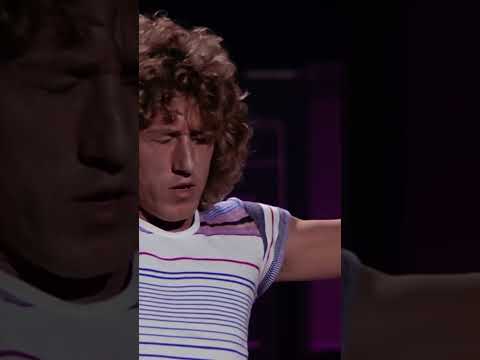
Take the case of “God Save the Queen” by the Sex Pistols. Released in 1977, during Queen Elizabeth II’s Silver Jubilee, the punk anthem was banned by the BBC and virtually every radio station in the UK. The lyrics called the monarchy a “fascist regime” and declared there was “no future” in England. The song was so incendiary that police raided record shops selling it, and the band was arrested during a publicity stunt on a boat on the Thames. Yet it reached number one on the UK charts—despite being banned from airplay. That’s the power of forbidden music.
But the Sex Pistols weren’t alone. The Rolling Stones’ “Let’s Spend the Night Together” was banned from American TV in 1967, forcing Mick Jagger to mumble the line as “let’s spend some time together” on The Ed Sullivan Show. The song’s blatant sexual innuendo was too much for censors—but it only made the band more popular. Similarly, The Doors’ “Light My Fire” was edited to remove the line “girl, we couldn’t get much higher,” a reference to drugs that Ed Sullivan’s producers deemed inappropriate. Jim Morrison, ever the provocateur, sang the original lyric anyway. The result? The Doors were banned from the show forever.
And then there was “Louie Louie” by The Kingsmen. The song’s garbled vocals led to a two-year FBI investigation, as officials suspected the lyrics were obscene. Parents and politicians were convinced the song was a threat to American youth. The FBI’s report concluded the lyrics were “unintelligible at any speed,” but the damage was done—the song was banned in several states. It became a symbol of the absurdity of censorship, and a rallying cry for free speech.
As we dig deeper into this list, you’ll discover how censorship shaped the music we love. From drug references to political protests, from sexual liberation to anti-war sentiment, these songs were deemed too dangerous for the public ear. But instead of disappearing, they became anthems of a generation. The more they were banned, the louder they were played.
So, turn up the volume and prepare to explore the tracks that defied authority and changed the course of music history. This is the story of the songs they tried to silence—and why they failed.
Consider “The Revolution Will Not Be Televised” by Gil Scott-Heron. Released in 1970, the spoken-word piece was a blistering critique of consumer culture and media complacency. Its message was so potent that several radio stations refused to play it, fearing it would incite unrest. Yet the song became a rallying cry for activists, proving that words alone could shake the system.
Then there was “Eve of Destruction” by Barry McGuire. The 1965 folk-rock anthem painted a bleak picture of nuclear annihilation and social decay. It was banned by countless American radio stations, and even some retailers refused to stock the record. The line about the Middle East and the button being pushed hit too close to home for a public still reeling from the Cuban Missile Crisis. But the controversy only fueled its rise—it hit number one on the Billboard Hot 100.
And let’s not forget “A Day in the Life” by The Beatles. The final track on Sgt. Pepper’s Lonely Hearts Club Band was banned by the BBC in 1967 for the line “I’d love to turn you on,” which was interpreted as a drug reference. The song’s orchestral crescendo and haunting lyrics were deemed too subversive for daytime radio. The ban was a badge of honor—the album still sold millions, and the song became a cornerstone of the psychedelic era.
Across the Atlantic, “Je t’aime… moi non plus” by Serge Gainsbourg and Jane Birkin caused a scandal in 1969. The song’s explicit moans and heavy breathing were too much for radio stations across Europe. It was banned in the UK, Italy, and Spain, and even the Vatican condemned it. Yet it topped the charts in several countries, proving that forbidden fruit always tastes sweeter.
These weren’t isolated incidents. They were part of a larger pattern: the establishment’s fear of music that spoke truth to power. Every ban, every fine, every raid only amplified the message. The censors thought they were protecting the public—but they were actually creating martyrs.
By the early 1970s, the battle had shifted from veiled innuendo to open confrontation. “Ohio” by Crosby, Stills, Nash & Young was written in response to the Kent State shootings of May 1970, when National Guardsmen killed four student protesters. The song’s blunt accusation—“four dead in Ohio”—was too raw for many radio stations, some of which refused to play it. But the track became a rallying cry for the anti-war movement, and its refusal to soften the truth made it unforgettable.
Then came “The Motorcycle Song” by Arlo Guthrie—or rather, its infamous companion piece, “Alice’s Restaurant Massacree.” The 18-minute monologue was a biting satire of the Vietnam draft, and its length alone kept it off most playlists. But when it did air, it turned a generation against the war. Censorship couldn’t touch a song that was already too long to ban.
Perhaps no song drew more official fury than “Street Fighting Man” by The Rolling Stones. Released in 1968 amid global protests, the track’s lyrics—“the time is right for fighting in the streets”—were seen as a call to riot. The BBC banned it, and several US stations followed suit. Mick Jagger later claimed the song was misunderstood, but the damage was done: it became the soundtrack to every demonstration that summer.
And who could forget “Kick Out the Jams” by MC5? The 1969 proto-punk anthem opened with the shouted line “Kick out the jams, motherfuckers!”—a phrase that guaranteed it would never see mainstream airplay. Hudson’s department store refused to stock the album, and the band was dropped from their label. But the controversy made them legends in the underground, proving that a single word could launch a thousand garage bands.
Meanwhile, “The End” by The Doors was banned by several radio stations for its Oedipal imagery and spoken-word climax. Jim Morrison’s haunting delivery—“Father, I want to kill you”—was deemed too disturbing for the airwaves. Yet the song’s darkness was its draw, and it became a staple of late-night underground radio.
As the decade wore on, the targets multiplied. “Lola” by The Kinks was banned by the BBC for its reference to “Coca-Cola”—a violation of product-placement rules—forcing Ray Davies to re-record the line as “cherry cola.” The song’s tale of a cross-dressing encounter was already daring, but it was the brand name that triggered the censor’s pen. It was a reminder that censorship could be as petty as it was powerful.
And then there was “Anarchy in the U.K.” by the Sex Pistols—a track so incendiary it practically dared the establishment to ban it. It did. The song’s call to destroy the system was too much for British radio, and the band’s label, EMI, dropped them after a single disastrous TV appearance. But the damage was done: punk had a rallying cry, and the establishment had a new enemy.
The pattern was unmistakable. Every ban, every fine, every raid only amplified the message. The censors thought they were protecting the public—but they were actually creating martyrs. And as the 1970s drew to a close, the legacy of these forbidden songs was already etched into the DNA of rock and roll.
From the FBI’s absurd investigation of “Louie Louie” to the Vatican’s condemnation of “Je t’aime… moi non plus,” the establishment’s attempts to silence music only proved how potent it was. These songs didn’t just survive censorship—they thrived on it. They became anthems for a generation that refused to be told what to think, what to feel, or what to sing along to.
Today, many of these tracks are considered classics. They’re played on mainstream radio, covered by pop stars, and taught in classrooms. But their rebellious spirit remains. Every time a song is banned or a lyric is bleeped, we’re reminded of the power of music to challenge authority—and the futility of trying to silence it.
So the next time you hear “God Save the Queen” or “Ohio,” remember: these weren’t just songs. They were declarations of independence. And the battle over what we can listen to is far from over.
What’s the most controversial song you’ve ever heard—and did the controversy make you love it more? Share your thoughts in the comments below.
Report this article
Select a reason for reporting:






