In the suffocating heat of July 1970, deep in the jungles of Vietnam’s A Shau Valley, a small group of American paratroopers found themselves surrounded by thousands of enemy soldiers. They were the Screaming Eagles of the 101st Airborne, and their mission was to hold a remote hilltop outpost called Fire Base Ripcord. What began as a routine operation quickly spiraled into a brutal 23-day siege that would test the limits of human endurance.
The first sign of trouble came just after midnight on July 1st. A mortar round slammed into the tactical operations center, shredding sandbags like paper. Within seconds, dozens more rained down, exploding across the base in a savage rhythm. Men dove for cover, scrambled to their fighting positions, and braced for what would become 23 days of relentless hell.
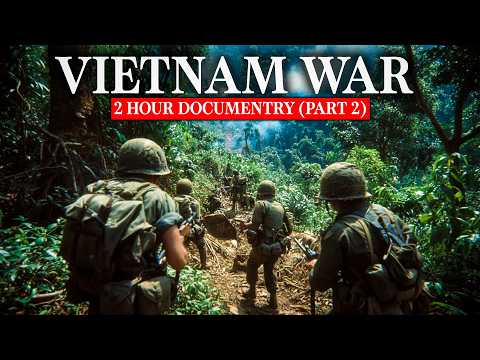
From the surrounding hills, thousands of North Vietnamese Army soldiers had been quietly moving into position for weeks, hidden under the dense jungle canopy. Now they attacked with merciless precision. Waves of AK-47 fire, RPGs, and mortar barrages pounded the base, while American soldiers fought back with howitzers, machine guns, and air support. But even American firepower struggled to penetrate the thick green shield of the forest. The enemy was invisible, entrenched deep along ridge lines like Hill 805—so close, yet impossible to see.
Inside the command post, Lieutenant Colonel Andre Lucas monitored intelligence reports. He knew something was coming. What he didn’t know was that July 1st would mark the beginning of one of the most savage battles of the Vietnam War. Lucas was a calm, steady officer, known for his cool under pressure. He walked the perimeter daily, checked positions, talked to his men, and urged them to stay strong. They respected him not because he gave orders, but because he stood with them in the mud under enemy fire.
As the days wore on, the base became a living nightmare. Mortar rounds fell without warning. Sleep became a luxury. Soldiers woke from brief naps to the sound of screams or explosions. Many never slept at all. Yet they held on. Day after day, under constant bombardment, the defenders of Ripcord refused to break. Helicopters flew through heavy fire to deliver supplies and evacuate the wounded. Every landing was a gamble. Some helicopters never returned.
What was supposed to be a quick operation to secure the high ground turned into a life-or-death struggle. Fire Base Ripcord was now a battleground, and the enemy had no intention of backing down. If Ripcord was the heart of the battle, the surrounding hills were its lungs—essential for survival and equally vulnerable. Control of the high ground meant more than just visibility. It meant life or death.
The hills around Ripcord—Hill 902, Hill 805, and Hill 1000—became axes of a escalating war. To secure them, American troops were ordered into the dense jungle and rugged terrain, facing ambush after ambush. The enemy had no intention of giving them up without a bloodbath. Hill 805, southeast of Ripcord, was one of the first priorities. From this strategic point, the NVA launched nearly continuous mortar fire on the base. Bravo Company was sent to take it.
The attack began under a hail of bullets. Soldiers were forced to jump from hovering helicopters directly into enemy fire. The terrain was brutal—steep, muddy, and covered in thick vegetation that concealed NVA bunkers. The North Vietnamese controlled the high ground, with perfect firing positions and the advantage of camouflage. They felt like easy prey in a trap, but Bravo Company pushed forward. Inch by inch, tree by tree, they climbed the hill, trading fire when they could, taking cover when they couldn’t.
Cobra gunships provided crucial air support, targeting an enemy bunker at the crest. Once that position was neutralized, the fire slowed, and Bravo Company secured the hill. They spent the night under constant threat, setting up flares and tripwires, waiting for the inevitable. And shortly after midnight, the enemy came. RPGs and small arms fire tore through the darkness, but the Americans held their ground, firing only when necessary to avoid revealing their positions. By dawn, the enemy had retreated. Hill 805 was in their hands, but at a steep cost.
Just a few kilometers away, Charlie Company faced a very different outcome. While positioned on Hill 902, they revealed their location by firing on enemy mortar positions. Expecting a counterattack, Captain Hewitt requested to withdraw and relocate. Lieutenant Colonel Lucas refused. He said the hill was of vital strategic importance. And that night, disaster struck.
NVA sappers, stripped naked and covered in charcoal for camouflage, crawled silently through the perimeter. Poorly dug trenches and lax defensive positions left the company vulnerable. Chaos erupted as the sappers attacked key positions, including the command post. Captain Hewitt was among the first killed. Under fire from all sides, Charlie Company fought through the night in confusion and horror. When morning came, the true cost was clear. Seven men dead, many more wounded. The hill was held, but barely. The price of that decision echoed in the soul of every man who survived.
But the most brutal and protracted fights were on Hill 1000, northwest of the base. This hill was a constant source of NVA fire—mortars, machine guns, and psychological pressure. On July 6th, a recon team led by Sergeant Granberry was sent to scout enemy positions. They moved slowly, listening for mortars, hugging the earth. When they spotted NVA positions and called for artillery, command ordered them to attack instead. It was a suicide mission, but orders were orders.
The team crawled toward the enemy. When they were spotted, RPGs lit up the jungle. Nearly every man was hit. The radio went down. Granberry ran, despite his wounds, through the fire to request support from Delta Company. The team’s assistant leader, John Schnarr, carried a severely wounded comrade on his back as the team retreated down the slope. It was a miracle they came out alive.
The next day, Delta Company replaced them and tried to advance, but a sniper killed Private Michael Grimm instantly. From that moment, a hail of machine gun fire poured from well-hidden bunkers. Captain Reis fought fiercely, using grenades and his rifle to lead the attack, but they were pinned down by lack of air support and unclear targets. Command demanded a second attack. Reis refused. His men were exhausted and low on ammunition. He knew they would be slaughtered if they tried again. Lieutenant Colonel Lucas opposed him and relieved him of command, accusing him of cowardice.
A new plan was set for July 8th, a double assault involving Charlie and Delta Companies. But Charlie had only 30 men, and Delta barely 50. The plan collapsed almost immediately. Charlie advanced first and bore the brunt of enemy fire, while Delta stumbled behind. Gunfire and screams echoed through the jungle. Captain Wilcox led a charge through an open corridor that lasted just 15 seconds and ended with more dead and wounded.
Exhausted and furious, Wilcox dragged his wounded down the hill only to find Delta soldiers resting at the bottom. One of his sergeants, Birkey, lost his nerve and nearly opened fire on fellow Americans. It was a moment that revealed the depth of pressure this battle had placed on the men. Later, Wilcox refused to launch another attack. He too was relieved of command. But many believed his decisions saved lives.
The hill remained in enemy hands. A final assault on July 12th failed again. Shortly after, command abandoned the position—Hill 1000 had cost too much and had not been taken. In every war, leadership is tested under fire. And at Fire Base Ripcord, leadership was forged in the crucible of that fire.
Surrounded, outnumbered, and under siege for over 3 weeks, the men of the 101st Airborne needed more than tactics. They needed courage and clarity, and someone to stand shoulder to shoulder with them in the mud. For better or worse, the decisions made then would not only shape the battle but change how soldiers saw their leaders and themselves.
At the heart of it all was Lieutenant Colonel Andre Lucas, commander of the 2nd Battalion, 506th Infantry. Lucas was calm, composed, and tireless in his dedication to his men. He was everywhere. He didn’t lead from a safe office. He walked the perimeter, checked the trenches, encouraged exhausted soldiers, and directed fire missions under enemy fire. When mortars fell, he didn’t duck for cover. He moved faster, shouting orders, keeping the chaos under control.
His commitment came at a heavy price. On July 23rd, as the final evacuation was underway, a mortar round exploded near Lucas. He was critically wounded and died shortly after being evacuated by helicopter from the hill. For his courage and leadership, he was posthumously awarded the Medal of Honor. Many of his men later said, “He didn’t send us to hell; he went there with us.”
But leadership wasn’t just about rank. Bravery came from everyone—from captains to privates, from medics to radio operators. Captain Reis, who disobeyed orders to save his men, showed quiet strength. Sergeant Granberry, who ran wounded through enemy fire to find help for his recon team. And John Schnarr, who refused to leave a wounded comrade behind and carried him down the mountain under fire. They weren’t just soldiers. They were lifelines.
There were also moments of breakdown, when some men lost their nerve under pressure, like Sergeant Birkey who nearly fired on his fellow Americans out of frustration. But even those moments told the story of Ripcord. It wasn’t just a battle against an enemy, but a battle within each man. The struggle to remain human amid the madness. And despite the tension between frontline soldiers and distant commanders, the men of Ripcord proved time and again that courage was not rare. It was routine. It happened in silence, in sweat, and in the refusal to give up. They weren’t superhuman. They were tired, scared, and hungry, but they held their ground.
In the end, that’s what leadership looked like. Not perfection, not flawless plans, but standing in the critical moments, and never abandoning your men. By mid-July 1970, Fire Base Ripcord was more than a strategic location. It had become a bleeding wound in the heart of the jungle. The hills that were supposed to protect it—Hill 805, Hill 902, and Hill 1000—had either fallen or remained contested. The surrounding hills were now in enemy hands. Every day, mortar rounds pounded the base. Every hour brought new casualties. The helicopters that once brought hope now took fire, crashing in flames or limping away wounded.
The Screaming Eagles were still fighting, but they were hanging on by a thread. The base was on its last legs. Supplies were scarce, casualties were mounting, and morale was plummeting. Men hadn’t slept in days. Many had only one pair of socks left, limited ammunition, and a thin thread of psychological balance. Major General Sidney Berry, assistant commander of the 101st Airborne, realized the inevitability of what was coming. The question wasn’t whether Ripcord could be held. It was whether holding it was still worth it.
He struggled with the decision. Withdrawal meant giving up ground, which was unthinkable to many officers. It felt like retreat. Worse, it felt like defeat. But Berry understood the bigger picture. Pouring more troops into Ripcord could cause a political disaster, undermining the Vietnamization strategy aimed at transferring combat roles to South Vietnamese forces. Reinforcing Ripcord might make tactical sense, but it was a strategic burden.
On July 22nd, Berry made his decision. Fire Base Ripcord would be evacuated. The order shocked many, including Colonel Harrison, who was preparing for another major attack. He believed the hills around Ripcord were vital for the upcoming Operation Chicago Peak, but the decision was final. The risks were too high. The price had become too steep.
The evacuation began at dawn on July 23rd. Soldiers packed their supplies, dismantled equipment, and prepared for what seemed like an impossible mission: to leave without losing more men. Helicopters arrived under fire. Some were hit as they hovered. Others turned back, and a Chinook attempting to sling-load a bulldozer exploded in midair, scattering burning debris over the hilltop.
Then came the final blow. While moving through the base to coordinate airstrikes and assist with the evacuation, Lieutenant Colonel Andre Lucas was struck by a mortar round. He was rushed to a medevac helicopter, but his injuries were critical. The commander who had stayed with his men throughout the siege did not live to see the last helicopter lift off. His death was a devastating blow to the battalion. He had been the beating heart of the defense.
By 2:07 PM, the last group of soldiers boarded the final helicopter. No one was left behind. One scout who was temporarily lost in the chaos was later rescued in a daring low-level flight by a volunteer pilot. It was the kind of act that defined the entire fight. Risk everything, leave no one behind.
Once the men were out, the United States launched a massive aerial response. B-52 bombers carpeted the base and surrounding area, aiming to deny the North Vietnamese any victory or gains from their siege. The jungle lit up with fireballs and shockwaves. The hill was reduced to craters and ash.
The withdrawal from Ripcord was not celebrated. It was mourned. But many believed it was the right call. A base could be rebuilt. But soldiers’ lives could not be reclaimed. As the last helicopter lifted off from Fire Base Ripcord on July 23, 1970, the sky was still ringing with gunfire and explosions. The evacuation was complete, but the war was not over. It had simply moved elsewhere.
For the soldiers who survived those horrific 23 days, Ripcord would never be just a battlefield. It would remain a permanent scar etched in memory, body, and soul. In the weeks that followed, the United States bombarded the area around Ripcord with a ferocity rarely seen in the war. B-52 strikes, napalm drops, and artillery barrages turned the jungle into a barren wasteland of twisted trees and scorched earth. The goal was clear: erase the base from the map and deny North Vietnam any gains from their relentless siege. What could not be held would be destroyed, but nothing could erase the price already paid.
75 American soldiers were killed. Over 400 were wounded. The 2nd Battalion, 506th Infantry, had been reduced from a fighting force to a shattered remnant. Entire platoons had been wiped out. Men who had arrived on the hill as strangers had bled, fought, and mourned together. What they endured was more than combat. It was survival in impossible conditions.
Yet for decades, the Battle of Fire Base Ripcord remained forgotten. It was overshadowed by larger, more famous battles like Khe Sanh and Hamburger Hill, and received little attention in official records or media coverage. Part of that was timing. The battle occurred during the American withdrawal from Vietnam, as attention shifted toward Vietnamization and de-escalation. Commanders were reluctant to highlight a costly battle that ended in evacuation.
But among the men who were there, Ripcord was never forgotten. They carried the battle with them in their nightmares, their scars, and the weight of loss. Reunions were held in later years. Books were written, medals were awarded, some posthumously. Lieutenant Colonel Andre Lucas was awarded the Medal of Honor, not only for his courage under fire but for choosing to lead from the front, knowing full well it might cost him his life. Many Ripcord veterans later said it was the most vicious combat they ever faced, even compared to other major Vietnam battles. What made it unique wasn’t just the intensity, but the sense of isolation. A base completely surrounded, supplied only by air, left to hold against impossible odds.
Over time, the story of Ripcord began to emerge. Military historians, veterans, and documentary filmmakers helped bring the battle back into the light. It became a symbol not just of sacrifice, but of resilience. Of ordinary soldiers doing extraordinary things when no one was watching and no help was coming.
In many ways, the Battle of Ripcord came to represent the Vietnam War itself. Brave men caught in a political storm, sent to fight for unclear hills, asked to give everything for objectives that changed by the week. But their courage was real. Their ability to endure was legendary. And though Ripcord fell, the Screaming Eagles never broke. They fought to the last round, pulled each other out of hell, and carried the weight of that hill for the rest of their lives.
It was the last major battle between American and North Vietnamese forces. After Ripcord, the war changed. The pace slowed. The focus shifted. But for those 23 days in the summer of 1970, the A Shau Valley burned with a fire that would never be forgotten.
Shortly after midnight, the jungle erupted. North of Saigon, 100 Australian soldiers were fighting for their lives. Artillery crews abandoned their guns and picked up rifles. Infantrymen faced waves of North Vietnamese soldiers charging through the darkness, screaming. The trenches were barely dug. No barbed wire, no mercy. If the fire support base Coral fell, they would all be slaughtered.
But this wasn’t just another Vietnam skirmish. It was the beginning of the most intense and sustained battle Australian forces faced in the entire war, and hardly anyone outside Australia talks about it. The Battle of Coral–Balmoral lasted for nearly a month. It pushed Australian infantry, artillery, and tank crews to the breaking point. It changed the way Australia fought in Vietnam and proved that when the enemy came in force, the Australians stood firm alongside their American allies.
This is not a story of perfect strategy. It’s a story of survival and courage, and one of the bloodiest chapters of the Vietnam War for Australia. A story that was nearly erased from history until now. If you’re new here, make sure to subscribe to the channel. Over 90% of our viewers aren’t subscribed yet, and your subscription helps us continue telling these stories. The stories history forgot. Let’s dive into the forgotten hell of Coral and Balmoral.
In early 1968, South Vietnam was reeling. The Tet Offensive shattered any illusion of a quick victory, as events exploded in embassies, city streets, and nightly news broadcasts back home. The North Vietnamese Army and Viet Cong paid a heavy price in casualties, but they proved they could strike anywhere, anytime. Allied commanders knew the enemy would try to regroup north of Saigon through hidden jungle corridors feeding the capital region with men and supplies. And if those arteries remained open, the next attack could be even more deadly.
This is where the Australian Task Force entered, after months of pacification operations in Phuoc Tuy Province. Canberra had promised Washington more support, and Operation Toan Thang was the bill due. Two infantry battalions, artillery batteries, combat engineers, medics, and helicopter pilots were ordered to move quickly to cut off enemy retreat routes and establish fire support bases deep in enemy territory. American intelligence claimed resistance would be light. But reality proved otherwise.
Helicopters roared through the humid air as soldiers rushed into a patch of red earth called Fire Support Base Coral. This scene should have raised alarm. No barbed wire, no cleared fields of fire, no interlocking arcs of the guns. Men who had spent the flight practicing safety procedures now found themselves digging trenches with tools the size of garden trowels. Their positions were spaced a kilometer apart—a vast distance in jungle warfare. Daylight faded behind thunderclouds, and with it faded any chance of completing the perimeter.
Yet morale was high. The Australians had built a reputation for aggressive patrolling and sharp jungle skills honed in Malaysia and Borneo. They trusted their officers, trusted the big American howitzers thundering on the hills, and believed the rumor that the NVA had been bled dry during Tet. Besides, American helicopter lifeline was just one radio call away. What could go wrong?
Plenty. Unknown to Allied planners, veteran NVA regiments were already moving south, loaded with fresh ammunition and bent on revenge. Scouts watched every sandbag placed at Coral, counted the guns, and mapped the gaps. They reported that the new base was unfortified and exposed, ripe for the taking. Orders went out: “Destroy the Australians before they can fortify.”
There was another fire support base, Balmoral, already marked as the next target. As dusk fell on May 12th, hot winds swept through the rubber trees and stirred the acrid smell of gunpowder. In the distance, a single Claymore mine exploded, then silence. The jungle seemed to hold its breath. Everyone at Coral knew the enemy was out there. But no one yet realized how close that enemy was or how determined.
On May 12, 1968, elements of the 1st Australian Task Force were airlifted into an open field about 20 km north of Bien Hoa, outside the normal operational range of their base at Nui Dat. Their mission was to establish a fire support base to intercept withdrawing NVA units still reeling from the Tet Offensive. They called it Fire Support Base Coral.
From the start, things went wrong. Helicopters arrived late. Troops landed in scattered formations and supplies were dropped far from where they were needed. Vital equipment like barbed wire and defense materials arrived hours after the infantry began setting up. Even the artillery guns, the heart of any fire base, were deployed before proper perimeter defenses were completed.
The terrain was uncooperative. Dense jungle around Coral was perfect cover for enemy forces. Visibility was poor, heat was brutal, and the soil was dry and hard. Digging deep trenches quickly was nearly impossible, but the Australians had no choice. They had to work fast. Most of the soldiers didn’t realize they were sitting on top of a major NVA staging area. Command had underestimated the size and strength of enemy forces in the region. Intelligence indicated light resistance, perhaps a few scattered Viet Cong. In reality, entire NVA regiments were already watching them, waiting for nightfall.
By evening, Coral was still barely operational. The perimeter wire was not in place, gun pits were shallow, and defensive lines were not fully coordinated. Soldiers ate from ration cans and tried to get some rest, but tension hung in the air. Then came the first sign. Movement in the distance, breaking branches, and a faint rustle in the jungle. Some soldiers swore they heard whispers in Vietnamese.
Suddenly, red tracer rounds tore through the darkness. The Australians were no longer alone, and Fire Support Base Coral was no longer just a set of coordinates on a map. It had become a target. The first chapter of the Battle of Coral–Balmoral had begun, and the men on the ground were about to face one of the most chaotic and desperate nights in Australian military history.
The night of May 12th gave the men at Coral little sleep. Patrols returned reporting movement just beyond the tree line. There were sounds that didn’t belong to the jungle. Metallic clicks, short commands in Vietnamese, and an unnatural silence of an enemy preparing to attack. By 3:30 AM on May 13th, the darkness was shattered by the roar of gunfire. The NVA had begun their assault, and they weren’t just probing the lines. They came in force, fast, and in numbers.
Hundreds of NVA soldiers launched a coordinated attack directly into the heart of the fire support base. Their objective was clear. Overrun Coral, silence the artillery, and wipe out the Australians before they could dig in. The outer listening posts were the first to bear the brunt. Claymore mines exploded, flares shot into the sky, revealing silhouettes sprinting through the trees. Australian infantry opened fire, but the sheer volume of enemy troops stunned everyone.
Within minutes, parts of the defensive perimeter began to collapse. The 102nd Field Battery of the Royal Australian Artillery found itself suddenly in a life-or-death struggle, not with distant fire, but with rifles and bayonets. Gunners trained to operate behind the lines were now fighting at point-blank range. Many rushed to grab their personal weapons. Some fought with pistols. One gun crew was completely overrun. The NVA reached the guns, disabling two artillery pieces and briefly holding their positions. At one point, hand-to-hand combat erupted inside the gun pits.
The Australians refused to fall back. They held their lines, gun by gun, pit by pit, buying time for reinforcements and reorganizing their defense under heavy fire. Communications were sporadic. Chaos reigned, but discipline held. Officers and NCOs directed their men as best they could amid the confusion. Artillery units fired beehive rounds—massive canisters packed with thousands of steel flechettes—directly into the advancing enemy waves. The rounds shredded trees and bodies alike. It was brutal, but it was the only thing that kept the attack from completely overrunning the lines.
American helicopter crews, realizing the scale of the attack, flew in supply and medevac missions under fire. American air support was called in, arriving quickly and accurately to strike NVA positions outside the base perimeter. As dawn broke, the Australians managed to secure Coral. The enemy withdrew, leaving behind their dead. The field was littered with bodies, many within meters of the artillery guns. Some had died trying to place explosives on the gun barrels. Others were still clutching grenades in their hands.
Nine Australians were killed in the initial assault. Over one hundred enemy soldiers were confirmed dead, but likely many more were dragged into the jungle. It was one of the most vicious nights any Australian soldier would face in Vietnam. But the battle was not over—not by a long shot.
The men at Coral had survived a near-overrun, but they knew it wouldn’t be the last attack. The base had to be fortified. The guns had to keep firing, and the NVA, emboldened by how close they had come to achieving their objective, were already preparing to return. What was supposed to be a temporary fire base became a frontline fortress, and Coral was now the center of a fight that could last for weeks.
For the first time in the war, Australian forces faced a large-scale conventional assault by a determined enemy force and survived. But survival came at a cost. The battle ahead would demand even more.
The first attack had shaken Coral to its core, but it had also revealed something crucial. The Australians could hold their ground. With the perimeter barely intact and casualties mounting, commanders wasted no time. Coral had to be transformed into a fortress, and fast.
Engineers worked around the clock. Defensive trenches were deepened. Sandbags were stacked to higher levels. Barbed wire was laid across likely enemy approaches. Fighting pits were reinforced. The smell of gunpowder still hung in the air as exhausted soldiers dug, hauled, and rebuilt. Command realized the seriousness of the situation. Coral was no longer just a temporary fire base. It was now a strategic foothold. And it needed more than infantry and artillery.
Armored support arrived quickly. Centurion tanks from C Squadron, 1st Armoured Regiment, rolled into Coral. It was the first time Australian tanks were deployed in the Vietnam War. Their 105mm guns and heavy armor gave the base a new backbone. Alongside them came M113 armored personnel carriers, adding mobility and firepower to patrols. Reinforcements included fresh troops, additional artillery pieces, and medical support. A second fire support base was planned a few kilometers north—what would soon be known as Balmoral.
The soldiers knew the enemy was still watching. Every night, flares lit the sky. Tripwires popped. Both sides exchanged fire at the wire’s edge. The NVA wasn’t withdrawing—they were regrouping. And despite the constant pressure, morale remained high. The men now had armor, air support, and a sense of purpose. They had survived the worst night of their lives, and they weren’t about to let Coral fall.
The next battle would be fought on harder ground. But the enemy was preparing too, and they weren’t done testing the Australians yet. Balmoral would be next.
As Coral was fortified into a fortress, Australian command moved the fight to the enemy. A new fire base was established about 4 kilometers north. Fire Support Base Balmoral. The site was positioned deep in enemy-held territory near known NVA infiltration routes. The intent was simple. Cut off enemy movement and force them to fight on Australian terms.
Balmoral was built quickly and strongly, applying the hard lessons from Coral. Trenches were properly dug, wire was laid, and armored units were positioned in the perimeter from day one. The NVA knew where Balmoral was and attacked it quickly. On the night of May 26, the first major assault began.
Around 3:45 AM, the jungle lit up again with mortar and rocket fire. The base shook with explosions. Then came the infantry. Two NVA battalions surged through the darkness, aiming to breach Balmoral’s perimeter. But this time, they weren’t just facing entrenched infantry—they were facing Centurion tanks, armored personnel carriers, and a defensive line that was fully alert.
The tanks opened fire with high-explosive rounds, tearing through enemy formations. Beehive rounds from artillery and canister shots from APCs turned kill zones into firestorms. The infantry held their ground, alternating roles, conserving ammunition, and firing disciplined volleys. The NVA assault was repelled with brutal efficiency. Bodies were found meters from the wire, some tangled in it, others cut down as they ran.
Australian casualties were minimal. Enemy casualties were staggering, but they weren’t done. On May 28, the NVA launched a second major attack on Balmoral. This time they came in greater force, with more mortars, more RPGs, and more troops. The pattern was the same—shell the base, then rush it in waves. But the Australians held again. Tanks fired directly into advancing infantry columns. Machine guns swept the fields with a torrent of lead. The jungle caught fire in some spots. A handful of NVA soldiers breached the outer wire, but they were eliminated before they could do real damage.
By sunrise, the attack had failed. Dozens of enemy bodies lay piled outside the base. Australian losses were light. Only three soldiers were killed or wounded in both major battles at Balmoral. The defenders had turned the tables. Where Coral had been a surprise, Balmoral was a display of evolved tactics, solid defenses, and the overwhelming power of combined arms warfare.
For the NVA, it was a costly defeat. They never launched another large-scale assault against an Australian fire support base for the remainder of the war. For the Australians, Balmoral was more than a battlefield. It was a statement that they had adapted, endured, and prevailed.
But the fight wasn’t over. Patrols continued. Ambushes happened. The jungle never fully went quiet. By early June, the operation began to wind down. The bases would eventually be dismantled. But the memory of what happened at Coral and Balmoral would remain etched in the minds of every soldier who survived.
When the guns finally fell silent in early June 1968, the Australians had been in near-constant contact with the enemy for over 3 weeks. The Battle of Coral–Balmoral was more than just a series of engagements. It was a brutal test of endurance, tactics, and survival in some of the harshest conditions of the Vietnam War.
The final toll was sobering. 26 Australians killed and 99 wounded. Over 260 enemy soldiers confirmed killed, with many more likely carried or buried in the surrounding jungle. Entire NVA regiments had been thrown against the Australian positions and been shattered.
But the battle’s impact went far beyond the numbers. Coral–Balmoral marked the first time Australian forces fought a sustained conventional battle involving large enemy formations, tanks, artillery, and fixed defenses. It wasn’t jungle guerrilla warfare. It was a set-piece battle with fortified positions, wave attacks, and direct fire support. The kind of fighting many thought had ended after World War II and Korea.
The experience changed how Australia operated in Vietnam. Before Coral, Australian tactics focused on small-unit patrolling, quick ambushes, and counterinsurgency. After Coral, commanders placed greater emphasis on integrating tanks, APCs, and artillery into their operations. Combined arms warfare—the coordination of infantry, armor, engineers, and air support—proved its worth in the most brutal way possible.
The battle also reinforced the need for better intelligence, more secure landing zones, and fortified fire bases. Coral had nearly been lost in the first 24 hours due to poor planning and underestimating the enemy. Balmoral, by contrast, was a model of disciplined and decisive defense.
On a strategic level, Coral–Balmoral helped disrupt North Vietnamese plans to regroup after the Tet Offensive. It denied them control of a key staging area and inflicted heavy losses on experienced enemy units. It also demonstrated that Australian forces, though small compared to their American allies, could hold their own in high-intensity combat.
But perhaps the greatest impact was psychological. The men who fought at Coral realized how close they had come to disaster. They saw what happened when defenses weren’t ready, and what it took to recover under fire. They earned every inch of their survival, and they carried the weight of that experience long after the jungle went quiet.
For years, the Battle of Coral and Balmoral was a quiet chapter in Australia’s military history. There were no massive parades, no front-page headlines. It was overshadowed by domestic political debates, anti-war protests, and the broader American narrative of the Vietnam War. But for the men who fought there, it was unforgettable. Coral and Balmoral were where theory met reality, where training was tested by chaos, and where brotherhood became the means of survival.
Soldiers who arrived in Vietnam expecting small patrols and jungle skirmishes found themselves in trenches repelling mass assaults like something out of World War I. The emotional impact was profound. Many veterans spoke of the shock they carried home, the mates they buried, and the silence they faced upon return.
For years, official recognition was minimal. There was no battle honor for the engagement, no unit citation. It was as if the battle had never happened. That changed in 2008, 40 years after the last shot was fired. The Australian government finally awarded the Combat Merit to members of the 3rd Battalion, Royal Australian Regiment, for their role in the battle. Later, the honor was extended to others who served at Coral and Balmoral—artillery, armor, engineers, medics, and infantry. It was a long-overdue acknowledgment of courage, endurance, and sacrifice.
Today, the Battle of Coral–Balmoral is remembered as one of the defining moments of Australia’s involvement in Vietnam. Memorials have been built. Ceremonies are held each May, and the names of the fallen are read aloud. Not just in Australia, but by historians and military students around the world. It is a reminder that even in a war shaped by politics and public doubt, some battles were fought with undeniable bravery. And that even in unfamiliar terrain, thousands of miles from home, soldiers found the strength to hold their ground.
Coral–Balmoral was never just a battle. It was a turning point. And for those who fought it, it was the battle of their lives.
Coral–Balmoral was never about glory. It was about grit. About men thrown into a fight they didn’t expect and refusing to break. They fortified their positions. They held their ground. They adapted, maintained their lines, and repelled a force that was supposed to sweep them away. In a war full of confusion, controversy, and chaos, this battle stood out as something clear and brutally harsh. A test of survival and a testament to what Australian soldiers were capable of in the worst conditions imaginable.
For American viewers, it’s a reminder that they weren’t the only ones who bled in the jungles of Vietnam. Their allies, especially the Australians, carried their share and more. Side by side, under fire, they held the line together.
If you’ve made it this far, thank you for watching. These stories matter, not just to those who lived them, but to anyone who wants to understand the cost of war and the strength it demands.
It was supposed to be a routine patrol. But it turned into a bloodbath. On July 2, 1967, U.S. Marines from the 1st Battalion, 9th Marines—a unit known as the “Walking Dead”—marched through tall grass near Con Thien, a remote outpost in Vietnam. They had no idea they were walking straight into an ambush meticulously planned by the North Vietnamese Army. Within minutes, gunfire and explosions tore through their ranks. The enemy was everywhere, hidden in bunkers, dug-in trenches, and thick vegetation. The battle that followed became one of the bloodiest engagements of the Vietnam War. Surrounded and outnumbered, the Marines fought desperately to survive. Some held their positions until they ran out of ammunition. Others played dead to avoid execution. Reinforcements rushed in, but they too were slaughtered in a second ambush. By the end of the battle, an entire company of Marines had been virtually wiped out. Operation Buffalo became a symbol of American courage and the brutal reality of war. What really happened that day? Why did so many Marines die? And how did the survivors make it out alive? This is the untold story of Operation Buffalo, where heroes were made, lives were lost, and the price of war was paid in blood.
If you want to hear more stories like this, subscribe now. This is history you won’t forget.
Second, the strategic importance of Con Thien. In 1967, the DMZ in Vietnam was far from quiet. It was supposed to be a buffer zone between North and South Vietnam, but it became one of the most dangerous battlegrounds of the war. Con Thien, a small Marine outpost near the DMZ, was at the heart of this chaos. The U.S. military needed Con Thien to prevent NVA forces from flowing into South Vietnam. From this base, American forces could launch attacks, monitor enemy movement, and protect key supply routes. But the NVA saw Con Thien as a threat to their plans. They wanted to wipe the outpost off the map. For months before Operation Buffalo, NVA artillery pounded Con Thien. Enemy mortar and rocket fire rained down daily, turning the outpost into a living nightmare. Marines there faced constant attacks, sniper fire, and brutal trench warfare. By mid-1967, American commanders realized the enemy was preparing for something big. Intelligence reports showed thousands of NVA troops massing near the DMZ, and instead of waiting for an attack, America launched Operation Buffalo—a mission to seize the area and crush enemy forces before they could strike. What the Marines didn’t know was that the NVA was already waiting for them, hidden and ready to kill. The stage was set. The battle was about to begin.
When Operation Buffalo began, both sides were ready for a fight, but only one side knew it was coming. U.S. Marines thought they were launching an offensive to clear enemy forces near Con Thien, but the NVA had already set a deadly trap. The American forces were led by the 1st Battalion, 9th Marines. The unit had already earned a reputation for toughness, but they would soon suffer such heavy casualties that they became known as the “Walking Dead.” Reinforcements came from the 3rd Battalion, 9th Marines, with support from artillery, airstrikes, and naval bombardment. The U.S. also deployed F-4 Phantoms, A-4 Skyhawks, and B-52 bombers to hammer enemy positions. The NVA’s 324B Division and the 90th Regiment were no ordinary force. These were battle-hardened soldiers skilled in ambush tactics, trench warfare, and close-quarters combat. They were protected by hidden artillery positions across the DMZ, allowing them to hit American forces while staying safe inside North Vietnam. Unlike the U.S. Marines, the NVA had been preparing for this battle for weeks. They had dug bunkers, concealed machine gun nests, and prepared deadly kill zones. They wanted the Marines to come. They wanted them to walk right into their trap. On July 2, 1967, that trap snapped shut. The massacre began.
The battle begins. Alpha Company, 1st Battalion, 9th Marines, set out from Con Thien. Their mission was simple. Conduct a patrol on Route 561, a major dirt road cutting through the war-torn landscape near the DMZ. The goal was to clear the area of enemy forces and secure it for future operations. The Marines moved cautiously, but everything seemed quiet. Too quiet. The thick elephant grass and scattered tree lines made it hard to see ahead. The morning air was heavy with humidity, and the Marines wiped sweat from their faces as they advanced. Some felt uneasy. They had been in Vietnam long enough to know that when the enemy was silent, something was wrong. Then at 9:15 AM, the silence shattered. Without warning, heavy machine gun fire and mortar rounds exploded around them. Marines dropped instantly as bullets tore through their ranks. The air filled with the screams of wounded men. The NVA were waiting for them, hidden in deep trenches and fortified bunkers. Captain Sterling Coates, the commander of Alpha Company, was killed almost immediately. With their leader down and radio signals jammed, chaos spread through the Marines. They had walked straight into a kill zone, and the enemy was closing in. Some tried to return fire, but they were pinned down. Others tried to retreat, only to find enemy forces behind them as well. They were completely surrounded. The trap had been set, and it had worked perfectly. For Alpha Company, the fight for survival had just begun.
The NVA ambush. The Marines of Alpha Company, 1st Battalion, 9th Marines, were trapped. The enemy poured machine gun fire, mortar rounds, and RPGs from every direction. Within minutes, dozens of Marines were dead or wounded. Those who could still fight scrambled for cover, but there was nowhere to hide. The enemy had the advantage. They had planned this ambush for weeks. The NVA’s 90th Regiment had set up a near-perfect kill zone. Bunkers and trenches were concealed under thick grass, giving the enemy full cover. Machine guns and snipers were positioned in strategic spots to cut off any escape route. The Marines’ formations were shredded before they even had a chance to fight back. In the chaos of battle, with Captain Sterling Coates dead, leadership fell apart. The enemy jammed communications, leaving the Marines unable to call for help. Some squads tried to push forward but were cut down almost instantly. Others attempted to withdraw, only to find more enemy troops waiting. The Marines fought back with everything they had, returning sporadic fire, crawling through blood-soaked grass, and using their fallen comrades’ bodies as cover. Some engaged in hand-to-hand combat as NVA soldiers emerged from their trenches, stabbing and firing at point-blank range. Navy corpsmen—the field medics—worked desperately to treat the wounded, often shielding dying Marines with their own bodies. Many were killed while trying to save their brothers. By midday, Alpha Company was surrounded and nearly annihilated. Out of 140 Marines, only a handful were still able to fight. The rest were dead, wounded, or missing. Some survivors played dead, hoping the enemy wouldn’t execute them. Others held out in last stands, firing their final rounds before being overrun. But the battle wasn’t over yet. Reinforcements were coming, and the NVA was ready for them too. Operation Buffalo was quickly turning into a nightmare.
Six, desperate fight for survival. The battlefield was a scene of pure hell. Smoke and dust filled the air, mixing with the screams of the wounded and the deafening roar of gunfire. Alpha Company was on the verge of annihilation. The Marines who were still able to fight were completely surrounded, outnumbered, and outgunned. The North Vietnamese weren’t just attacking from a distance. They were moving in for the kill. Fighting to the last bullet. Some Marines refused to surrender. With no clear orders and no way to communicate, small groups of men fought on their own, holding their positions to the end. They fired from grenade launchers, from behind the bodies of their fallen comrades, and from any cover they could find. Many fought until they ran out of ammunition, then switched to grenades, knives, and even their bare hands. Corporal Billy Singleton, already wounded, saw an NVA soldier advancing on him. Out of ammo, he grabbed his entrenching tool—a small shovel—and smashed the enemy soldier’s skull before crawling to safety. He was one of the few who made it out alive. The corpsmen, the Navy medics, performed acts of extraordinary bravery. Under heavy fire, they dragged wounded Marines to safety, used their bodies as shields, and tried to keep their comrades alive. One corpsman, Donald McLaren, ran through enemy fire to reach a wounded Marine. As soon as he reached him, a bullet tore through his body, but he refused to stop. He treated the Marine and dragged him to safety before collapsing from blood loss. Some played dead to survive. For many Marines, fighting wasn’t an option. The NVA were executing the wounded, finishing off any soldier still moving. Some troops, covered in the blood of their dead comrades, played dead, lying motionless as enemy soldiers walked past. One survivor later recalled seeing an NVA soldier bayonet his fallen comrades one by one, making sure no one was alive. He held his breath and prayed they would pass him by.
By the time reinforcements arrived, it was too late for most of Alpha Company, but the bloodshed wasn’t over yet. News of Alpha Company’s destruction spread quickly. By mid-afternoon on July 2, 1967, American commanders realized they had just lost an entire company of Marines. They immediately ordered Bravo Company, 9th Marines, to move in and rescue any survivors. But the NVA had planned for this too. Bravo Company moved cautiously, advancing toward the last known position of Alpha Company. They didn’t know they were walking into a second ambush. The second trap. As Bravo Company approached the battlefield, NVA machine guns opened fire from hidden bunkers. Mortar rounds exploded around them, scattering the Marines. Within minutes, the rescue mission turned into another massacre. The NVA had dug deep, fortified trenches, allowing them to fire, disappear, and move without being spotted. The Marines tried to push forward, but every step was met with deadly resistance. One soldier, Corporal James O’Connor, later recalled crawling through the grass, watching his comrades fall one by one. He said, “Everywhere you looked, there were bodies. We never saw them coming.”
Reinforcements keep coming. As darkness fell, additional units from the 3rd Battalion, 9th Marines were sent in. The NVA continued to fight fiercely, refusing to retreat. By the end of the day, over 80 Marines had been killed. The battle was spiraling out of control. The U.S. needed a new plan—one that didn’t involve sending more men into enemy kill zones. The next move would be massive.
By July 3, 1967, it was clear that sending more Marines into enemy kill zones was suicide. The NVA were too well entrenched. Their ambushes were too deadly. American commanders needed to change tactics. Instead of pushing more men into the trap, they decided to unleash the full force of American firepower on the enemy. The massive bombardment and artillery barrage. At dawn, the U.S. launched one of the most ferocious bombardments of the war. B-52 bombers carpeted the battlefield, dropping thousands of pounds of explosives. F-4 Phantoms and A-4 Skyhawks unleashed napalm and cluster bombs, setting entire sections of the jungle on fire. Naval gunfire from warships stationed offshore pounded NVA positions with heavy artillery. The ground shook as fire and explosions tore through enemy bunkers. The NVA had dug in deep, but no trench was safe from the relentless barrage.
Marines launch a fierce counterattack. After hours of bombardment, the 3rd Battalion, 9th Marines launched a full-scale assault. The Marines moved in with tanks and armored vehicles, fighting from trench to trench, clearing enemy positions one by one. Many NVA soldiers fought to the death, knowing they were losing. Others tried to retreat, but were cut down by American airstrikes and artillery. The battle turned into close-quarters combat as Marines used flamethrowers, grenades, and bayonets to clear the bunkers.
The NVA finally withdraw. After two days of relentless fighting, the NVA abandoned the battlefield, leaving behind hundreds of dead soldiers and destroyed weapons. The Marines had won the battle, but at a terrible cost. Operation Buffalo had crippled the NVA’s ability to operate in the area, but the U.S. had paid a heavy price in blood. The battle was over, but the suffering had only just begun.
The battle was over, but the damage had already been done. Operation Buffalo became one of the bloodiest battles of the Vietnam War for U.S. Marines. The human cost. The final toll was staggering. 159 Marines killed, 345 wounded, and over 1,290 NVA soldiers killed. The 1st Battalion, 9th Marines—known as the “Walking Dead”—had been nearly wiped out. Some survivors were rescued days later, found hiding among the bodies of their fallen comrades. Others remained missing, some captured, some never found. Many of the Marines who did survive suffered physical and psychological scars that would never heal. The horrors of the battle—the sight of friends being killed or executed—haunted them for the rest of their lives.
What went wrong? Operation Buffalo exposed serious failures in U.S. intelligence and strategy. The NVA were far better prepared than expected. Marine patrols were sent in without adequate support. The enemy used superior ambush tactics, forcing the Marines into deadly kill zones. Some officers later admitted that the operation should never have been carried out the way it was planned. The Marines had been sent into a trap, and they paid the price.
A costly victory. In the end, the U.S. declared Operation Buffalo a success because it inflicted heavy casualties on the enemy. But to the Marines who fought there, it didn’t feel like a victory at all. The battle proved one thing. The NVA were not afraid to stand and fight against American forces, and they were willing to pay the price in blood. The war was far from over.
The 1st Battalion, 9th Marines (1/9) had always been a tough unit, but after Operation Buffalo they earned a new nickname: “The Walking Dead.” The name came from their incredibly high casualty rate throughout the Vietnam War. No other Marine unit suffered losses on this scale. By the end of Operation Buffalo, an entire company had been virtually wiped out. The survivors were physically and mentally shattered. Many had watched their closest friends die before their eyes. Some barely made it out alive, playing dead among the bodies of their comrades to avoid execution. The battle left deep scars on everyone who lived through its horrors. Many suffered from survivor’s guilt, nightmares, and PTSD for the rest of their lives. The brutality of the ambush, the sight of Marines falling within seconds—it never left their memory.
Despite the horrors they faced, the men of 1/9 never backed down. They continued to fight in some of the toughest battles of the war, always standing strong no matter the odds. Their courage became legendary. Years later, veterans of the battalion gathered to honor their fallen brothers, ensuring the sacrifices made during Operation Buffalo would never be forgotten. The “Walking Dead” had earned their name, but they had never truly been defeated.
Operation Buffalo became one of the most studied battles of the Vietnam War. It showcased the bravery of U.S. Marines, but it also revealed the deadly effectiveness of North Vietnamese ambush tactics. Military leaders later used the battle as a lesson in combat strategy, intelligence failures, and the cost of underestimating the enemy. But for the Marines who fought there, it was more than just history. It was a memory that never faded. Many who survived carried the weight of what happened for the rest of their lives. The sights, sounds, and smells of the battlefield stayed with them, haunting their dreams. Some never spoke of it. Others spent years trying to make sense of what they went through.
Today, the men of the 1st Battalion, 9th Marines—the “Walking Dead”—are honored for their sacrifice. Veteran reunions, memorials, and books ensure the names of the fallen are never forgotten. The Vietnam Veterans Memorial Wall in Washington, D.C., bears the names of many of the Marines who lost their lives in Operation Buffalo. Both American and Vietnamese veterans who fought in this battle have later reflected on the cost of the war. Some met decades later, not as enemies, but as soldiers who had survived the same nightmare. Operation Buffalo was a tragedy, but it also became a symbol of courage, resilience, and sacrifice for those who fought in Vietnam.
Operation Buffalo was more than just another battle in the Vietnam War. It was a test of bravery, survival, and sacrifice. The Marines of the 1st Battalion, 9th Marines—the “Walking Dead”—walked into a nightmare, fought with everything they had, and suffered devastating losses. Despite the ambush, despite being outnumbered and surrounded, they refused to surrender. The battle revealed the brutality of the Vietnam War. It showed how deadly the NVA could be, and how dangerous it was to underestimate them. It also proved the unbreakable spirit of the U.S. Marines who fought against impossible odds and never backed down. For those who survived, the memories of July 2 and 3, 1967, never faded. They carried the weight of that battle for the rest of their lives. Many returned home to a country that didn’t fully understand what they had been through. But their story matters. Their sacrifice matters. History remembers the battles, but the people who fought them truly define their essence. The men of Operation Buffalo paid a heavy price, and it is our duty to remember what they endured.
Before we continue, take a moment to thank the brave veterans who fought at Khe Sanh. Their sacrifices will never be forgotten.
Imagine being trapped on a battlefield for 77 days, surrounded by enemies with little food, water, or sleep. Explosions shake the ground, bullets fly past you, and every moment could be your last. This was the Siege of Khe Sanh, one of the most brutal and savage battles of the Vietnam War. In January 1968, 6,000 U.S. Marines were stationed at Khe Sanh Combat Base, a remote outpost near the Ho Chi Minh Trail. They knew something was coming. Strange things were happening in the jungle. Patrols stopped leaving the base. Then came a chilling warning from a North Vietnamese officer. A massive attack was coming at midnight.
On January 21, 1968, all hell broke loose. 20,000 NVA soldiers launched a massive assault, determined to crush the Marines. The battle that followed was a nightmare. Soldiers fought in deep trenches, endured endless artillery barrages, and lived on limited supplies. It was a fight for survival. For over two months, the Marines held their ground, proving their courage and resilience. The Siege of Khe Sanh became one of the most legendary battles of the Vietnam War.
The Marines could feel something was wrong. The jungle around them was too quiet. Strange things began to happen that made their skin crawl. Shadows moved between the trees, and eerie sounds echoed through the dense forest. They felt like they were being watched. Patrols were usually sent out to check the area, but suddenly orders came to stay inside the base. The gates were sealed tight. This wasn’t standard procedure. Something was coming.
Then the Marines spotted enemy soldiers on a hill 500 yards away. Without hesitation, they called in a 105mm artillery strike. After about 12 rounds, an infantry patrol was sent to check the results. What they found was terrifying. Pools of blood and drag marks leading into the jungle. The enemy had taken casualties, but they had carried their dead and wounded away. The patrol requested permission to follow the trail into the trees, but the response came back quickly. Return to base immediately. The Marines were confused and uneasy. Why weren’t they allowed to pursue the enemy? What were the commanders afraid of?
Then something even more disturbing happened. A Vietnamese officer appeared outside the base wire carrying a white cloth as a sign of truce. He delivered a chilling message. “At midnight, we will attack Hills 861 and 881. By sunrise, the base will fall.” With those words, he turned and walked away. The Marines spent the next hours preparing for battle. They gripped their rifles, eyes scanning the darkness, waiting for the enemy assault. Midnight was approaching fast. Then something truly terrifying happened. From deep in the jungle, laughter echoed through the night. It wasn’t normal laughter. It was eerie, high-pitched, and inhuman. The Marines couldn’t see them, but they knew the enemy had already begun cutting the first wire.
At that moment, a green flare shot into the sky. And then all hell broke loose. As soon as the green flare lit the sky, the night erupted into chaos. Machine gun fire, mortar rounds, and artillery rained down on the Marines at Khe Sanh Combat Base. The enemy had launched their all-out assault. The NVA, over 20,000 strong, came from every direction. They had been preparing for this moment for months, digging trenches and tunnels to get closer to the base. Now they were rushing forward, determined to wipe out the 6,000 Marines defending Khe Sanh.
The Marines were ready. They had waited for this moment, and as soon as the enemy appeared, they opened fire with everything they had. Machine guns roared, mortars fired, and grenades exploded as the defenders held their ground. But the enemy was relentless. NVA soldiers breached the barbed wire, ignoring their heavy casualties. Wave after wave of soldiers threw themselves at the defensive lines. Some managed to get inside, resulting in brutal hand-to-hand combat in the trenches.
Then the radio crackled with a chilling message. Enemy troops had been spotted near the southern fence. The Marines braced for another attack. Suddenly, a massive explosion rocked the base. The NVA had hit an ammunition dump, causing a huge fireball that lit up the battlefield. The ground shook as thousands of rounds exploded, sending shrapnel flying in all directions. As if that wasn’t enough, another artillery round hit a stockpile of tear gas. A thick cloud of gas spread through the base, blinding the defenders. Marines coughed, their eyes burning, but they couldn’t stop fighting.
By morning, the first wave of the attack was over. The NVA had suffered heavy casualties, but they weren’t done. Then came the next horror. Rocket and artillery fire rained down again, just as the enemy officer had warned the day before. The hills around Khe Sanh were now in enemy hands, and the base was completely surrounded. For the next 77 days, the Marines would be trapped inside Khe Sanh, facing constant bombardment, dwindling supplies, and the terrifying reality that the enemy might break through the wire at any moment. The Siege of Khe Sanh had truly begun. Would the Marines be able to hold the base, or would this be another Dien Bien Phu, the famous battle where the French were completely overrun? The next two and a half months would decide their fate.
Khe Sanh was not just another military base. It was a key location in the Vietnam War. The U.S. military established it to disrupt the Ho Chi Minh Trail, a vital supply route used by the NVA to transport weapons, food, and troops into South Vietnam. To the North Vietnamese, Khe Sanh was an obstacle to their war effort. If they could destroy the base, they would gain full control of the area, making it easier to launch attacks across South Vietnam.
But there was another reason Khe Sanh was important. Psychological warfare. The NVA wanted a major victory over the Americans. A victory that would weaken American morale and turn public opinion against the war. Many historians believe the Battle of Khe Sanh was designed to be similar to the Battle of Dien Bien Phu in 1954, where the Vietnamese defeated the French and forced them to leave Vietnam. However, the U.S. military saw Khe Sanh as a test of American strength. They refused to abandon the base, believing that holding it would prove American superiority and prevent the enemy from advancing further south. This led to one of the most bloody sieges in modern history.
Both sides were willing to endure heavy casualties to control Khe Sanh, but while America’s focus was on defending the base, the NVA had another plan in motion that would take the entire war in a new direction. While the Marines were fighting for survival at Khe Sanh, something bigger was about to happen. The Tet Offensive.
The first night of the Siege of Khe Sanh was chaos. The Marines were outnumbered, but they were determined to hold their ground. NVA forces attacked in waves, throwing everything they had at the defenders. They used rockets, mortars, and artillery, bombarding the base from the surrounding hills. The Marines fired back, machine guns blazing as they tried to take out the enemy before they reached the barbed wire.
In the darkness, forward observer Dennis Mannion moved through the trenches armed with only a .45 caliber pistol. He could barely see in the pitch black, feeling his way along the trench walls. Suddenly, he touched something soft. Hair. Before he could react, he realized it was an NVA soldier inside the base. Without hesitation, he pulled the trigger, dropping the enemy before moving on to call in more artillery strikes. The battle raged with vicious close-quarters fighting inside the trenches. Marines fought with rifles, pistols, bayonets, and even their bare hands. It was a brutal fight for survival.
Then came one of the worst moments of the night, a direct hit on the base’s ammunition dump. The explosion was so powerful that it lit up the night sky, sending a shockwave through Khe Sanh. The blast destroyed a large portion of the ammunition stored at the base, making it even harder for the Marines to defend themselves. But the nightmare wasn’t over. Another artillery round hit a tear gas stockpile, releasing thick clouds of gas across the base. Marines coughed, their eyes burning, struggling to see. Some had gas masks, but others had to fight through the choking fumes.
By morning, the first wave of the attack was over. The Marines had held their ground, but at a heavy cost. 18 Marines were killed and over 50 wounded in the first night alone. Then as dawn broke, more rockets and artillery poured into the base. The NVA were not going to stop. They had dug in around the hills, using the high ground to continue pounding Khe Sanh with relentless fire. The Marines were now completely surrounded. The battle had only just begun, and the men at Khe Sanh would have to endure 77 days of hell with no way out.
The first night of the siege was brutal, but the Marines had no time to recover. As the days passed, Khe Sanh was subjected to relentless artillery bombardment. Every day, over 1,000 enemy rounds fell on the base. The Marines were trapped. They couldn’t leave, and no reinforcements could reach them by land. The only way to get supplies was by airdrop and helicopter, but even that was risky. The NVA controlled the surrounding hills, making any movement outside the trenches a suicide mission.
Life inside Khe Sanh became a nightmare. The Marines lived in trenches and dirt bunkers, constantly on alert. Sleep was nearly impossible. Every time they tried to rest, another explosion rocked the ground, sending dirt and debris flying into the air. There was no fresh food or clean water. Supplies were dropped by parachute, but the enemy would shell the drop zones before the Marines could recover them. Sometimes the food was destroyed before they could even reach it. Water was even worse. Many Marines went days without drinking anything in the sweltering jungle heat.
The conditions inside the base were horrific. Bodies piled up, and with no time for proper burials, they rotted in the sun. Rats swarmed over the corpses, gnawing at the flesh of the dead. Marines would wake up to find rats crawling over their bodies, trying to nibble at their flesh. Clothes disintegrated from the constant rain, mud, and filth. Some Marines spent the entire 77 days in the same uniform, which had turned to rags by the end of the siege.
And worst of all, the bombardment never stopped. NVA forces had surrounded Khe Sanh, positioning artillery, mortars, and rocket launchers in the hills. From their elevated positions, they pounded the area with destruction every single day. There was no safe place. If a Marine tried to move outside his bunker, he risked certain death. The constant shelling had strange effects on the Marines. Many developed a condition known as shell shock, now called PTSD. The endless explosions and fear of death made some soldiers freeze in terror, unable to function. Others became numb, unresponsive to the horror around them.
Yet through it all, the Marines fought fiercely. Every time the NVA launched an assault, the defenders held firm and refused to surrender. Close air support missions became the lifeline for the Marines. B-52 bombers dropped tons of napalm and explosives, creating a ring of fire around Khe Sanh. Helicopters rushed in supplies, but the NVA shot down many of them. Seven helicopters were destroyed in the first month alone. For the Marines, every day was the same. Shelling, starvation, exhaustion, and death. They didn’t know how long they could hold out, but they refused to break.
As the siege dragged on, the U.S. military planned a desperate operation to break the enemy’s grip on Khe Sanh. The Marines at Khe Sanh were fighting against impossible odds. Despite being outnumbered four to one, they faced daily artillery barrages, sniper fire, and relentless ground attacks. The NVA were determined to crush them, but the Marines refused to surrender.
Every day, the enemy shelled the base with rockets, mortars, and heavy artillery. Some Marines began to joke bitterly, calling Khe Sanh hell on earth. But the reality was no joke. 1,000 rounds a day fell, smashing bunkers and turning trenches into mass graves. Even those not directly hit suffered from shell shock, with ringing ears, bleeding noses, and numbed minds from the constant explosions.
At night, the danger escalated. NVA forces used the darkness and fog to launch surprise attacks. They crawled through the wire, trying to infiltrate the trenches. In some cases, they succeeded, leading to terrifying close-quarters combat. Marines fought with bayonets, knives, and even their bare hands to push the enemy back. One Marine later described it as the closest thing to World War I trench warfare anyone had seen in the modern era. The trenches were filled with mud, blood, and the stench of rotting corpses.
Despite their suffering, the Marines fought fiercely. Every time the NVA attacked, they were met with a wall of fire. The defenders used M-16s, machine guns, grenades, and mortars to keep the enemy from breaking through. Snipers picked off targets from hidden positions. But the biggest advantage the Marines had was air support. B-52 bombers, fighter jets, and helicopter gunships unleashed devastating strikes on enemy positions. Tons of napalm and explosives were dropped daily, turning the jungle into a firestorm. Some airstrikes were so powerful that entire enemy battalions were wiped out in minutes.
Even with air superiority, Khe Sanh remained a death trap. Supplies were running dangerously low. The Marines lived on canned rations and whatever water they could get. Helicopters had only 25 seconds to land, unload supplies, and take off before the NVA targeted them with mortars. Many were shot down before they even reached the ground. By the end of the month, seven helicopters had been destroyed. The situation inside the base grew increasingly desperate.
As the siege continued, the Marines began to wonder if they would make it out alive. The enemy showed no signs of stopping. Every night they heard the terrifying sound of enemy soldiers laughing and whispering beyond the wire, waiting for their next attack. Would Khe Sanh fall completely like the French at Dien Bien Phu? The U.S. military knew it had to act fast. A massive operation was planned to break the siege and rescue the trapped Marines before it was too late.
By March 1968, the situation at Khe Sanh was critical. The Marines had been under siege for over two months, enduring constant shelling, starvation, and exhaustion. Supplies were running dangerously low, and the NVA showed no signs of stopping. If the siege continued much longer, the base might not hold. The U.S. military knew it had to act fast. They launched Operation Pegasus, a massive ground and air assault designed to break through enemy lines and relieve the Marines at Khe Sanh.
The 1st Air Cavalry Division, one of the most elite units in the U.S. Army, led the charge. They used a combination of helicopter air assaults, artillery barrages, and close air support to push the enemy back. The operation was also supported by U.S. Marines, South Vietnamese forces, and armored units, all fighting to reopen the road to Khe Sanh. The battle was fierce. The enemy had spent months digging trenches, bunkers, and tunnels into the hills surrounding the base. They fought desperately, knowing that losing Khe Sanh would be a devastating defeat. But the American forces had a major advantage: firepower. B-52 bombers, fighter jets, and heavy artillery pounded enemy positions, forcing the NVA to retreat. Helicopters dropped troops behind enemy lines, cutting off their escape routes.
By April 8, 1968, after nearly 3 months of brutal fighting, American forces finally broke through the siege and reached Khe Sanh. The Marines who had been trapped for 77 days were finally relieved. The Siege of Khe Sanh was officially over. However, the battle had come at a heavy cost. Hundreds of American troops were killed or wounded, and thousands of NVA soldiers died trying to take the base.
After the siege was broken, the U.S. military faced a difficult decision. Should they keep the base or abandon it? The answer came just a few months later in one of the most controversial moves of the entire war. Despite the success of Operation Pegasus in breaking the 77-day siege, the U.S. military faced a critical decision. Would they continue to defend Khe Sanh or withdraw from it? By June 1968, the decision was made. Khe Sanh Combat Base would be evacuated. The base had become too costly to defend, and its strategic importance had diminished after the Tet Offensive shifted the course of the war. The evacuation had to be done carefully and in complete secrecy. If the NVA realized the base was being abandoned, they would launch a final attack to wipe out the remaining Marines.
Over the next few weeks, thousands of troops, weapons, and equipment were quietly withdrawn. The last Marines left on July 11, 1968, under the cover of darkness. To prevent the NVA from using the base, American forces destroyed the bunkers, trenches, and airstrips before leaving. When the NVA finally took Khe Sanh, they found only rubble. The decision to evacuate was highly controversial. Many questioned why the U.S. had sacrificed so much to defend Khe Sanh, only to abandon it months later. Some compared it to the French defeat at Dien Bien Phu, but military leaders argued that the Marines had held out and left on their own terms. The battle had been won, but at a tremendous cost. Hundreds of Americans were killed and thousands of Vietnamese soldiers died in a battle that ultimately changed nothing.
But for the Marines who fought at Khe Sanh, the battle was more than just a strategic decision. It was a test of courage, survival, and brotherhood. They had faced overwhelming odds and endured unimaginable hardship, proving their strength and resilience in one of the longest sieges in modern military history.
The Siege of Khe Sanh was one of the bloodiest battles of the Vietnam War. Over 77 days, 6,000 U.S. Marines fought against 20,000 NVA soldiers, enduring constant artillery fire, brutal ground attacks, and severe conditions. The cost of the battle was staggering. Around 300 American troops were killed and over 3,000 wounded. On the other side, the NVA suffered an estimated 15,000 casualties. The battlefield was littered with the bodies of dead soldiers, a grim reminder of the horrors of war.
But Khe Sanh was more than just a military engagement. It became a symbol of American resilience and sacrifice. The Marines who fought there showed incredible bravery, surviving against all odds. And even though the base was later abandoned, their determination and courage left a lasting mark on military history. Many of the veterans who survived Khe Sanh carried the physical and emotional scars of the battle for the rest of their lives. They were forever haunted by the memories of the constant shelling, the fear of being overrun, and the horrors they witnessed. Some suffered from PTSD, while others found strength in the unbreakable brotherhood they formed in the trenches.
Today, Khe Sanh remains a powerful reminder of the sacrifices made during the Vietnam War. The battlefield has been preserved as a memorial to the war, honoring those who fought and died there. To all the veterans who served at Khe Sanh and in the Vietnam War, we honor your service and sacrifice. Your courage, resilience, and dedication will never be forgotten. And to everyone watching, thank you for taking the time to learn about this incredible story.
In the darkness of the South China Sea, a U.S. Navy submarine floated silently beneath the surface. On board, a team of Navy SEALs prepared for a mission unlike any other. Their target wasn’t a military base or a weapons site. It was a group of American POWs held deep in enemy territory, planning a daring escape from the notorious “Hanoi Hilton.” They would need help if they were to survive the journey home.
The plan was bold, the mission dangerous, and the story that followed remained buried for decades. This was Operation Thunderhead, the last secret rescue mission of the Vietnam War.
By 1972, the war was winding down. Peace talks were underway in Paris. But for hundreds of Americans held as POWs in North Vietnam, there was no way out. They had been tortured, starved, and held in solitary confinement for years. Captain John Dramesi had already tried to escape once in 1969. He was caught, beaten, and nearly killed. But he never stopped thinking about trying again.
This time, he and his fellow POWs—including Captain George McKnight and Navy Lieutenant George Coker—devised a plan. If they could get out of the prison, they could follow the Red River to the Gulf of Tonkin. From there, they hoped an American ship or aircraft would pick them up. They didn’t ask for a rescue force to come inland. They just needed someone to be there when they reached the coast.
Somehow, the plan leaked out. An encoded message was smuggled home, passed through the POW support group, and eventually reached the Pentagon. The men inside Hoa Lo were asking for help. And they were planning to move soon.
Admiral Thomas Moorer, Chairman of the Joint Chiefs of Staff, personally approved a rescue mission. But it had to be quiet. No leaks. No headlines. With the fate of the peace talks hanging in the balance, any whisper of a rescue could cause a political disaster.
The operation would be small, fast, and silent. The goal was to place elite American forces near the Red River Delta, close enough to intercept the escaping prisoners without alerting the enemy. The code name was Operation Thunderhead.
At its heart was the USS Grayback, a submarine specially modified to carry personnel and equipment for underwater operations. On board was a group of Navy SEALs from Team One, Alpha Platoon. The team leader was Lieutenant Melvin Spence Dry, a calm but determined officer with combat experience. One of his senior men was Petty Officer Philip “Mookie” Martin, a respected SEAL known for his composure under pressure. They were supported by underwater demolition experts from UDT 11, specialists in using small electric submarines called SEAL Delivery Vehicles.
Above the surface, the Navy assembled a small task force. The nuclear cruiser USS Long Beach would serve as command ship. The support vessel USS Harold E. Holt joined the group. Two Navy helicopters from HC-7 were assigned to conduct night missions along the coast. They could be used for evacuations if the SEALs or the prisoners needed to be moved quickly.
Even within the Navy, most people had no idea what was really happening. To maintain secrecy, commanders were told a cover story—that they were helping recover defectors from North Vietnam. Only a few senior officers knew the true objective.
One of the strangest parts of the plan was how the SEALs would return to the submarine. If all went well, helicopters would drop them into the ocean, and they would swim down to the submerged Grayback. It was a difficult and dangerous maneuver, especially at night, but it was considered the safest way to get back to the sub without surfacing near enemy waters.
The escape was expected in early June. Intelligence indicated the POWs might try to move under the cover of severe storms, when the power was out and the guards were less attentive. Timing was critical. If the SEALs arrived too early, they might be discovered. If they were too late, the prisoners might be captured or killed.
To prepare, the SEALs and UDT teams trained hard in the Philippines and at sea. Most of them had never worked together before. Some had never used SDVs in real operations, but there was no time to wait.
By late May, the task force was in position off the coast of North Vietnam. The Grayback moved into the area silently, submerged. The helicopters began flying night reconnaissance missions. The men on board didn’t talk much. They knew the stakes.
Operation Thunderhead was ready to begin. The rescuers were in place. All they needed now was for the prisoners to make their move.
On the night of June 3, 1972, the USS Grayback settled on the ocean floor a few miles off the coast of North Vietnam. The submarine went completely silent, waiting for the right moment to launch the SEALs. The plan called for a small reconnaissance team to go first. They would land on a small island near the mouth of the Red River to watch for any signs of the escaping prisoners.
Lieutenant Spence Dry led the first team. With him were Petty Officer Mookie Martin and two UDT operators, Lieutenant Junior Grade John Lutz and Petty Officer Thomas Edwards. The four men climbed into a Mark 7 SDV and set off into the dark water. The ride was harder than expected right away. They had planned for calm weather. But instead, they faced strong currents flowing out of the river. The small battery-powered SDV wasn’t powerful enough to fight the current. It moved slowly, draining its power just to stay on course.
After more than an hour, the team realized they wouldn’t reach the island. The SDV’s battery was nearly dead. If they kept going, they risked being stranded near the shore—or worse, being discovered. Lieutenant Dry made the call. They aborted the mission.
But now they had a problem. The SDV didn’t have enough power to return to the mother submarine. The men were lost at sea. They also couldn’t leave the SDV behind. If the enemy found it, the mission would be exposed. They used a small radio to send a distress call. A Navy helicopter launched from the USS Long Beach at dawn. It spotted the disabled sub and destroyed it with machine gun fire to ensure it couldn’t be recovered. Then it pulled the four men from the water and returned them to the cruiser.
But the USS Grayback, still submerged and in radio silence, knew nothing of what had happened. The submarine was still waiting for their return.
By the evening of June 4, the second SDV team was ready to launch. Lieutenant Robert Conger, Ensign Tom McGrath, and two other UDT men prepared to execute the original plan. Unaware that the mission had already changed, they left the Grayback and began heading toward the shore.
On the same night, the Navy decided to return Lieutenant Dry and his original team to the submarine. With enemy patrol boats in the area and bad weather, they had to move fast. The plan was risky. A Navy helicopter would fly them back out to sea, and they would jump into the water near the submarine. Then, using infrared beacons and lights, they would find the Grayback and dive down to rejoin it.
This type of drop had never been attempted in combat conditions before. Dry and Martin explained the maneuver to the helicopter crew. They emphasized the importance of flying low and slow. No more than 20 feet above the water. Any higher, and the impact could be fatal.
At midnight, the helicopter lifted off from the USS Long Beach with the four men on board. Dry, Martin, Lutz, and Edwards. The sea was rough. There was no moonlight. The wind was pushing them hard from behind. Somewhere in the darkness, they saw a faint light blinking infrared in the water. It was supposed to be the signal from the Grayback. They approached it, unsure. The pilot held his position, and the men jumped one by one.
The signal was not from the Grayback. It was from the second SDV team, who had also been forced to surface after their sub failed. Lieutenant Spence Dry hit the water hard, too hard. The jump from too high and too fast. He was killed instantly on impact. The other two, Lutz and Edwards, were severely injured. Martin was the only one who landed safely.
In the water, disoriented and exhausted, Martin realized what had happened. He swam through the darkness and found the others, trying to keep them alive and together. The second team, Conger and the rest, had also surfaced nearby. Their SDV had flooded and failed. They had been floating on the surface for hours, hoping someone would find them. Now, both teams were in the same location, drifting at sea miles from shore in enemy waters with patrol boats nearby. They could hear the engines of Vietnamese warships in the distance.
By dawn on June 5, they had found Lieutenant Dry’s body and strapped it securely so it wouldn’t drift away. Martin, despite his injuries and the cold, refused to leave him behind. A rescue helicopter arrived just after sunrise. It recovered all the survivors from both teams and retrieved Dry’s remains.
The operation was officially over. The second SDV was never recovered. Both subs were lost. The SEALs never reached the shore. The prisoners never escaped. And Operation Thunderhead had failed.
Unknown to anyone in the mission, the escape from the Hanoi Hilton had already been canceled. The senior American officer in the prison had called it off, fearing the prisoners would be killed if the attempt failed. But that decision never reached the men waiting offshore. The SEALs had gone out to rescue men who were no longer coming.
It was a mission built on silence, courage, and trust, but it ended in darkness, confusion, and loss. Lieutenant Spence Dry became the last Navy SEAL killed in action during the Vietnam War, and no one outside the operation knew the truth—until decades later.
After the rescue, the surviving SEALs and UDT members were flown to the USS Long Beach. Some were treated for serious injuries. Others were in shock, but physically unharmed. They were all exhausted. The ship was quiet. Everyone knew the mission had gone terribly wrong. Lieutenant Spence Dry was gone. He had jumped from the helicopter into the sea, trying to get back to his team, trying to complete the mission. His body was recovered, but the cost of that moment would stay with his men for the rest of their lives.
Aboard the USS Grayback, the crew finally received word of what had happened. The submarine had remained submerged, committed to radio silence, waiting for the team to return. Now it was clear the mission was over. The captain of the Grayback offered to continue the operation if the team could be reassembled. He was ready to surface and make another attempt using rubber boats instead of SDVs. But it was already too late. Typhoon Ora was heading toward the area. The seas were becoming too rough for any more insertions. As the storm approached, the command decided to cancel Operation Thunderhead entirely.
Over the next few days, all U.S. forces withdrew from the area. The escape from the Hanoi Hilton never happened. Inside the prison, the senior officer made the decision to cancel. He believed that if even one man failed to get out, the guards would punish everyone. With peace talks progressing, he decided the risk was too great. That decision may have saved many lives. But the men offshore never knew it.
At sea, the Navy worked hard to keep the mission secret. Operation Thunderhead was highly classified. The survivors were told not to speak about what happened. Even the families of those involved were kept in the dark. Lieutenant Dry’s death was not listed as a combat loss. Officially, there was no record of what had actually happened.
For years, the story of Operation Thunderhead remained hidden. Buried in classified files, sealed by orders from the highest levels of military command. There were no headlines, no recognition, no clear ending to the story. The mission had failed. Not because of the men who carried it out, but because of things they couldn’t control. Bad weather, equipment failure, poor communications, and a change in plans they were never told about. And yet they had moved forward. They had followed orders. They had risked everything. And in the end, they had brought some of their own home.
That was the quiet legacy of Operation Thunderhead. A mission no one was allowed to talk about for many years.
For decades, Operation Thunderhead remained in the shadows. The men who took part returned to their units or left the service quietly. No one was allowed to speak about what had happened. It was as if the mission had never existed. Lieutenant Spence Dry was buried with military honors, but the truth of his death was not made public. His family was told very little. His father, a retired Navy captain, spent years trying to find out what really happened. But the details remained classified. Even within the Navy, most people didn’t know the story.
The SEALs and UDT operators who survived the mission were told to keep quiet. They went on with their careers, carrying the memory of what happened in silence. But that memory never faded. Petty Officer Mookie Martin, who survived the fatal drop, continued to serve in the SEALs. Later, after an unrelated injury left him paralyzed, he became a mentor to younger SEALs. He never forgot that night in 1972. The mission, the chaos, the loss of his team leader. Like many who were there, he always believed the mission, though it failed, was meaningful.
In 2008, 36 years after the operation, the U.S. government finally declassified Operation Thunderhead. The full details were revealed to the public. The veil of secrecy was lifted. And with it, the Navy finally acknowledged the sacrifices of the men involved. Lieutenant Melvin Spence Dry was posthumously awarded the Bronze Star with Combat V, recognizing his leadership and valor during the mission. Petty Officer Philip “Mookie” Martin received the Navy and Marine Corps Achievement Medal with Combat Distinguishing Device for his assistance in saving lives following the drop.
A ceremony was held at Naval Amphibious Base Coronado in California. The survivors of the mission were present. Some were elderly now, walking with canes or sitting in wheelchairs. But they stood proudly, finally able to honor their fallen teammate publicly. Mookie Martin accepted his medal with a few brief words. He said he accepted it on behalf of all the men of Alpha Platoon. The SEALs who trained and fought together, and those who never returned.
For the families, it brought some closure. For the Navy, it was a long-overdue correction. And for the men involved, it was a moment to finally say aloud what they had carried for decades.
Operation Thunderhead remained hidden because it failed. But when the truth came out, it became clear that the mission—whether it failed or not—was an example of courage, loyalty, and the quiet cost of war. It reminded everyone that not all heroes come home with medals. Some come home in silence. And some never come home at all.
Operation Thunderhead was one of the last secret missions of the Vietnam War. It was also one of the quietest and most secretive. For decades, it lived in the shadows. Not because of shame, but because of secrecy. A mission so sensitive, so carefully concealed, that even those who risked their lives were told to keep silent. But silence does not erase sacrifice.
The men of Operation Thunderhead were willing to give everything for a group of fellow Americans they had never met. They trusted their mission, their team, and their training, even when circumstances turned against them. They didn’t know the prisoners would never escape. They didn’t know their equipment would fail. They didn’t know they would be dropped into the wrong part of the sea. And they didn’t know that one of them would not survive the night. But they moved forward anyway. They advanced in pitch darkness, underwater, and under enemy fire. Because that’s what they trained for. Not for medals, not for recognition, but because the mission had to be done.
When the mission ended, there were no parades, no headlines—just a line in a report no one saw for 36 years. But history remembers them now. Lieutenant Spence Dry’s name is carved on the Navy SEAL Memorial Wall, the last SEAL killed in combat during the Vietnam War. His team, Alpha Platoon, is remembered for their courage and loyalty. Not just to each other, but to the men they tried to save.
Today, Special Operations forces train with better equipment, better communications, and more support. But the lessons of Operation Thunderhead remain relevant. The mission showed what happens when courage meets chaos, and when a perfect plan meets an imperfect world. It proved that a mission that fails can still be full of honor. And in the end, it left behind something stronger than silence. A story of duty, sacrifice, and a kind of courage that doesn’t need to be seen to be real.
If this story moved you, share it. Let someone else hear about the men of Operation Thunderhead. Let us remember their names and their efforts. Thank you for watching. Stay curious, stay respectful, and never forget the cost of war. These were the battles they tried to erase, but the courage, sacrifice, and brotherhood of those who fought will never fade. Every hill, every outpost, every mission told the story of men who refused to surrender, even when the world turned its back on them. To every veteran who served in Vietnam, we honor you. Your courage shaped history, and your stories will never be forgotten.
Which of these forgotten battles do you think deserves to be remembered most? Share your thoughts in the comments below.
Report this article
Select a reason for reporting:






