In the 1960s, wealth wasn’t always about diamonds and limousines. Sometimes, it was the hum of a dishwasher, the cool breeze of central air, or the gleam of a second car in the driveway. These everyday luxuries whispered a message that echoed louder than any boast: “We’ve made it.”
Imagine a time when a color TV was a neighborhood attraction, and a second bathroom was the ultimate flex. This is the story of how ordinary possessions became extraordinary symbols of success, and how they shaped the lives of those who had them—and those who dreamed of them.
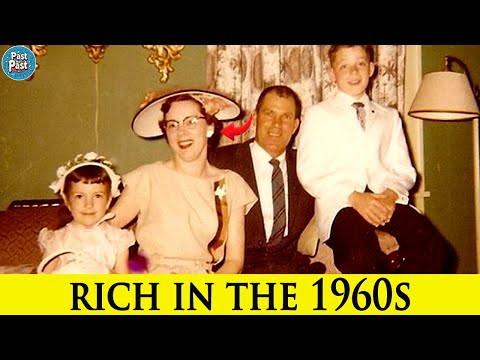
Back then, most families managed with one car, usually dad’s, used for commuting and errands. But when a family had a second set of wheels—just for mom or for weekend adventures—that was next-level living. “My mom has her own car,” a kid at school once said, and the rest of us stood stunned, as if he’d announced a yacht parked out back.
And if that second car was a Cadillac, it wasn’t just comfort—it was prestige. Those cars glided down the street like royalty, with tail fins so sharp they looked ready for takeoff. Owning one said you didn’t just have money; you had style.
But the freedom it brought was just as important. Mom didn’t have to wait for dad to bring the car home to get groceries or visit a friend. She had keys of her own, and that reshaped the daily rhythm of the household.
Inside the home, the dishwasher was a gleaming symbol of modernity. Most families still scrubbed pots and pans by hand, stacking dishes in the sink after every meal. But if you had a machine to do that work for you, it meant you’d made it. Dishwashers were shiny, modern, and a little bit magical. They gleamed under the kitchen light like a piece of science fiction brought to life.
People didn’t just use them—they showed them off. Guests would comment, relatives would whisper, and neighbors might just happen to stop by and ask for a look. It was more than an appliance; it was a conversation piece.
And let’s be clear: dishwashers weren’t cheap. At a time when every dollar counted, spending hundreds on something that just washed your plates meant you had money to spare. Ads from the era promised ease, elegance, and a little bit of glamour for the American housewife. In a world before microwaves and smart homes, the steady hum of a dishwasher felt like a promise of the future.
Then there was flying for leisure. In the 1960s, flying on a plane wasn’t something most folks did casually. It wasn’t routine or cheap. It was an experience—one wrapped in elegance, excitement, and a little envy from everyone watching from the ground.
If your family flew somewhere for vacation, people didn’t just ask where you were going. They assumed you were doing pretty well for yourself. Most families piled into the old station wagon, packed snacks in a cooler, and drove for hours—sometimes days—to get to their destination. But stepping onto a jet was a whole different league. You were heading to places like Disneyland or Miami Beach in style, high above the clouds.
And it wasn’t just about the destination. It was the whole affair. Airline tickets were expensive—often more than a week’s wages for the average worker. Travelers dressed to impress, with men in suits and women in heels and gloves. Flight attendants, still called stewardesses, wore tailored uniforms and offered full meals with silverware and glassware. It all felt so polished, so refined.
Flying for fun in the ’60s didn’t just mean you could afford a vacation. It meant you were part of something elite. It said without saying a word, “We’ve got it good.” And for those lucky enough to experience it, the glamour of air travel was unforgettable.
But the skies weren’t the only place where status took flight. On the ground, there was another quiet badge of belonging: the American Express card. Slipping one of those out of your wallet at a nice restaurant or hotel front desk turned heads. Waiters noticed. Guests noticed. It said, “I’m part of a different crowd.”
Most folks paid with cash or a personal check. Credit cards weren’t mainstream, and American Express was reserved for the select few. When the Gold Card launched in the mid-’60s, that message got even louder. High fees and strict requirements were all part of the mystique. It wasn’t just for buying—it was for belonging to a world of fine dining, first-class flights, and five-star stays.
Meanwhile, back in the neighborhood, a different kind of luxury was unfolding behind closed doors. If you were a kid growing up in the ’60s and you had your own bedroom, you were living the dream—even if you didn’t know it at the time. For most families, the norm was cramming two, sometimes three kids into one space. Bunk beds, shared dressers, and lines taped down the middle of the room weren’t just common; they were expected.
So when a kid had four walls, a door, and a little space to call their own, that wasn’t just luxury—it was next level. It meant the family probably had a bigger home, maybe even a split-level or ranch with that elusive extra room. And that space became sacred. Kids got to choose paint colors from the Sears or Montgomery Ward catalog, or beg for Snoopy wallpaper and shag rugs. Best of all, you could shut the door. That one little detail gave you something precious: privacy.
Privacy had another address in the ’60s: the second living room. Most homes made do with a single space where everything happened—TV watching, dinner trays on laps, kids doing homework on the floor. But if a house had a second room purely for looks, that was a whole different story. This was the formal living room, and it wasn’t for lounging.
You didn’t sprawl out in there with a bowl of popcorn or flip through TV channels. In fact, a lot of the time you didn’t sit in there at all. The furniture was pristine, often covered in thick plastic that made a loud crinkle if you dared to shift your weight. The curtains stayed drawn to protect the upholstery from fading. The carpet was vacuumed in perfect lines. Everything had its place, and it stayed there.
That room was for guests, for holidays, for special visits from relatives or the pastor. It was a room that said, “We take pride in our home and we can afford to.”
And speaking of rooms that spoke volumes, nothing said “we’ve made it” quite like having two bathrooms under one roof. It might sound simple now, but back then that second bathroom was pure luxury. Most homes built before or right after World War II had just one—one toilet, one tub, one sink. And if you had a big family, you felt that.
I still remember lining up outside the bathroom in the mornings, lunchbox in hand, doing the classic hurry-up dance while my sister perfected her bangs for the fifth time. That bathroom was a battleground. So when someone casually mentioned they had a second one—maybe even a guest bathroom—you couldn’t help but be floored. It sounded as extravagant as having a separate fridge just for soda.
But it wasn’t just about avoiding arguments. A second bathroom meant comfort, convenience, and most importantly, money. Plumbing wasn’t cheap, and homes with two bathrooms didn’t come around every day. For parents, it offered a sliver of privacy. For kids, it meant fewer morning meltdowns. And for visitors, it made an impression. You didn’t need to brag. That second bathroom did all the talking.
Yet for all the quiet statements made by cars and bathrooms, nothing turned heads—or turned neighbors green with envy—like a color television. If your family managed to bring one of those into the living room, it wasn’t just another appliance. It was a glowing symbol that you were ahead of the curve.
Most folks were still watching black-and-white sets, squinting through static and fuzzy images. But then came color. Bright, bold, and almost surreal. Suddenly, Bonanza wasn’t just a western—it was a cinematic event. The Wonderful World of Disney truly became wonderful with all those colors leaping off the screen.
And the price? Let’s just say color TVs didn’t come cheap. In the early ’60s, buying one could set you back several hundred dollars—weeks or even months of pay for most families. But for those who made the leap, they became the talk of the neighborhood. Friends and neighbors would come over just to watch the big game or a holiday special in full color. It was a shared experience and a little peek into a future everyone wanted.
Some families even had more than one TV. That was something else entirely. That wasn’t just luxury—that was a statement. Because back then, a color television didn’t just change how you saw the world. It changed how the world saw you.
And once the TV was on, there was one more quiet ritual that separated the organized households from the rest: the TV Guide on the coffee table. Most folks made do with listings printed in the local paper, but that glossy little magazine—full-color photos, interviews, behind-the-scenes gossip—felt like Hollywood stopping by for a visit. Circling your must-watch shows with a red pen while nursing a glass of Tang was a Saturday morning ritual all its own.
Then came the comforts that made a house feel like the future. Central air was rare enough that when an HVAC truck pulled into a driveway, the neighborhood grapevine lit up. “Looks like the Thompsons are upgrading,” someone would mutter—translation: they’re doing well. The air moved gently, like the house was breathing, and even the furniture somehow looked better in that perfectly chilled space.
Outside, status climbed literal stairs. In 1965, if you wanted to spot the fancy house on the block, you just looked up. A two-story home meant more bedrooms, more privacy, maybe a den tucked away in back. I remember a classmate with an upstairs playroom, his own bathroom, and an intercom system on the wall. I thought I’d stepped into a hotel—or something out of The Jetsons.
And then there were the indulgences that turned a backyard into a destination. The in-ground pool with underwater lights shimmering after sunset. The sleek Chris-Craft behind a Cadillac, varnished mahogany so polished you could smell the money before the engine shut off. The whole block came out to look. A boat meant leisure time, extra income, and a taste for the finer things.
Some families had help keeping it all pristine—a housekeeper in a neat uniform, windows so clean you’d think there wasn’t any glass. Others sent their kids to private academies in pressed blazers and polished shoes, launching pads for a polished future. And up at the lake, that second fridge stocked with Cokes and cold cuts whispered of something bigger: a second address entirely.
In winter, a fur coat glided into a room and the room fell silent, shimmering under the tree lights like she’d walked off a movie set. In the living room, a six-foot hi-fi console turned the house into a private concert hall—warm, rich, room-filling sound that wrapped around you like a cashmere blanket. At Christmas, the flocked tree in the big front window made people stop and stare. On Saturdays, a riding mower glided across a manicured lawn like a suburban parade.
None of it was shouted. It didn’t need to be. These were the quiet luxuries of an era when comfort, polish, and a little extra padding in the bank account told the world everything without a word.
So now we turn it back to you: which of these 1960s status symbols did your family have—or dream about? Was it the second car, the color TV, the pool, or something else entirely? Tell us in the comments below!
Report this article
Select a reason for reporting:






