Imagine a world where staying slim didn’t require gym memberships, diet apps, or relentless willpower. A world where people ate real food, moved naturally, and never counted a single calorie—yet waistlines were trimmer than ever. That world existed in the 1960s. But behind the wholesome image of home-cooked meals and family dinners, a darker side lurked: extreme beauty standards, dangerous fad diets, and amphetamine-laced pills. What was the real secret to staying skinny back then? And at what cost?
In the 1960s, the kitchen had unofficial opening and closing hours. Meals were served at fixed times, and once breakfast was over, the fridge and pantry were off limits until lunch. Snacking between meals wasn’t just discouraged—it was practically unheard of. The snack food industry was still in its infancy, and main meals were made from scratch with real ingredients that kept hunger at bay for hours. This simple habit of sticking to three square meals gave the body time to process food properly, kept insulin levels steady, and allowed the body to tap into stored fat for energy.
But that was just one of thirteen forgotten habits that defined the era. From portion sizes that were a fraction of today’s supersized meals to walking everywhere because it was simply the default mode of getting around, the 1960s lifestyle was built on natural movement and whole foods. People didn’t diet—they lived differently. And it worked.
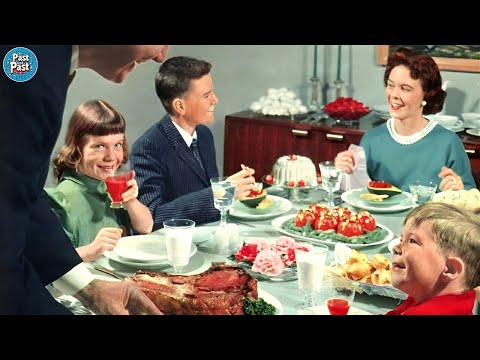
Yet not everything about the 60s was healthy. The pressure to be thin led some to desperate measures: cabbage soup diets, medically supervised starvation programs, and diet pills containing amphetamines. Models were rumored to swallow cotton balls to feel full. The same era that gave us wholesome family dinners also gave us dangerous extremes.
So what can we learn from the 1960s? Maybe the real secret isn’t in the latest diet trend, but in the simple, repeated actions that were once just part of daily life. As we uncover these thirteen secrets, you might find yourself wondering: could going back to the basics be the key to a healthier future?
The first secret was almost accidental: nobody snacked between meals. The kitchen had unofficial opening and closing hours, and once breakfast was cleared, the fridge and pantry stayed shut until lunch. There were no office snack drawers, no glove-compartment granola bars, no midnight delivery apps. Meals were made from scratch—real meat, vegetables, and grains—and they were filling in a way that a protein bar never is. Sticking to three square meals kept insulin steady and gave the body time to tap into stored fat. People showed up to the dinner table genuinely hungry, then ate slowly, savoring every bite. Today we call it mindful eating. Back then, it was just called dinner.
Portion sizes were another quiet weapon. A burger from a diner was about the size of your palm. A large soda was eight ounces—smaller than today’s smallest fast-food drink. Dinner plates measured nine inches across, not twelve. When a modest amount of food sat on a small plate, it looked full and felt like a feast. At the movies, families shared one bucket of popcorn. Dessert was a scoop of ice cream split between two people, not a triple-scoop sundae for one. The word “supersize” didn’t exist yet. People ate what was served, felt satisfied, and went about their day—no guilt, no food tracking, no fighting the urge to finish a mountain of fries.
Movement, too, was baked into life. Nobody owned a step counter. Kids walked or pedaled to school, rain or shine. Adults ran errands on foot and popped over to neighbors’ houses for a chat. Housework was labor-intensive: dishes scrubbed by hand, laundry hauled outside to line dry, TV channels changed by getting up and turning the dial. Men pushed old-fashioned mowers and fixed things around the house. Fitness experts today call this NEAT—non-exercise activity thermogenesis—and it turns out this kind of continuous, low-effort movement is one of the most powerful tools for maintaining a healthy weight.
Then there was the food itself. Everything was cooked from scratch. No frozen dinners, no bottled sauces, no ready-to-bake cake mixes. If you wanted soup, you made it. If you wanted cake, you measured the flour and cracked the eggs. Most ingredients came fresh from the market or the backyard garden. Milk arrived in glass bottles; butter was churned. Because making sweets took real time and energy, cakes and pies weren’t everyday treats—they were for birthdays, holidays, or Sunday dinners. That effort gave families total control over what went into their food: no artificial additives, no sneaky sugars, no sodium overload. And when food tastes real and your body gets what it truly needs, you don’t overeat. You don’t need to.
Family dinner was sacred. Every evening around six, families gathered at the table—no TV, no phones, no distractions. The table was thoughtfully set, everyone had a regular seat, and meals were eaten slowly and shared meaningfully. Plates weren’t overloaded from the start; most homes served food from the kitchen or placed just one or two dishes in the center. If you wanted more, you had to ask. This simple step made people more aware of what they were eating and how much. It wasn’t restriction—it was respect. Food was appreciated, not mindlessly consumed.
Fresh food was the only option. Walk into a 1960s grocery store and you’d be struck by what wasn’t there: no endless freezer aisles, no towering displays of boxed snacks. Strawberries only showed up in June; apples were an autumn treat. The butcher knew your name and cut your meat the way you liked. Milk came to your door. Bread was dense and hearty, made from real grains. Because the food was nutrient-dense and free of artificial flavor enhancers, your body naturally stopped eating when it had enough. Satiety came with every bite.
Sugar was an occasional treat, not a daily staple. Kids didn’t grow up with endless access to cookies, candy, and soda. Dessert wasn’t automatically served after dinner, and when it was, it was homemade and modest. Soft drinks came in tiny 6.5-ounce glass bottles—just enough to satisfy a craving. Most importantly, sugar was visible: a spoonful in coffee, a bit of icing on a cake. It wasn’t buried in ketchup, pasta sauce, packaged bread, or salad dressings. People weren’t unknowingly eating sugar all day long. Taste buds weren’t constantly overstimulated, so an apple tasted just right. Blood sugar stayed steady, energy didn’t spike and crash, and the body burned fat more efficiently.
Eating on a fixed schedule was the norm. Breakfast around seven, lunch at exactly noon, dinner at six. These weren’t casual guidelines—they were the real deal. Between meals, the kitchen was closed. There were no office snack bars, no vending machines, no mid-afternoon grazing. This routine trained the body beautifully: metabolism operated on a reliable schedule, insulin stayed balanced, and decision fatigue vanished. You weren’t constantly asking yourself, Am I hungry? Should I grab something? You simply waited until the next meal. This created natural fasting windows between meals—something modern nutrition now calls intermittent fasting. But in the 60s, it wasn’t a trend. It was just life.
And then there was the habit that may have made the biggest difference of all: rarely eating out. In 1960, only about 25% of the average American food budget was spent on restaurants—today it’s nearly 50%. Going out was a monthly treat reserved for birthdays and anniversaries. Lunch at work usually came from home: packed sandwiches, thermoses of soup, maybe fruit. Because the majority of food was prepared at home, families had full control over what went into each meal. Restaurant food is richer, more indulgent, and more calorie-dense by design—that’s why it tastes so good. But that richness only works in your favor when it’s occasional. Once it becomes the norm, your body starts storing all those extra calories, fats, and salts quickly.
Sleep followed the same rhythm. Kids were in bed by eight or nine, and adults weren’t far behind. TV stations signed off at midnight with the national anthem and a static screen—your signal that the day was done. There was no late-night snacking, no glowing screens tempting you with food commercials, no midnight delivery apps. Deep, uninterrupted sleep kept hormones like leptin and ghrelin balanced—the chemicals that control hunger and fullness. Poor sleep makes you hungrier and messes with your metabolism. In the 60s, regular rest helped keep those hormones in check without anyone even knowing it.
Drinks were simple and rarely full of calories. Water, milk, and black coffee were the go-to beverages. Soda existed, but it wasn’t a mealtime companion. Juice was served in a small glass at breakfast, not guzzled all day from a giant plastic bottle. Tea was unsweetened or lightly sweetened—no pumps of syrup, no caramel drizzle. People stayed hydrated and satisfied without overloading their systems with sugar and empty calories. It was a quiet kind of discipline that didn’t require willpower, just habit.
But here’s where the story turns. While much of that era’s slim physique came from natural, healthy living, there was also a darker side shaped by pressure and extremes. The beauty standard of the 60s shifted toward a very thin, almost delicate silhouette—think Twiggy or Jean Shrimpton. That image wasn’t just fashionable; it became expected. And the pressure to stay slim pushed some people toward desperate routes.
Fad diets like the cabbage soup diet promised fast results but left people malnourished and miserable. Medically supervised starvation programs—like the case of Gilles LaRoche, dramatized in the documentary A Matter of Fact—were not only dangerous but emotionally damaging. Then there were diet pills, many containing amphetamines. In the 60s, they were handed out with little thought to the side effects: addiction, heart problems, and mental health issues. Among fashion models, the extremes were even worse. Rumors circulated of swallowing cotton balls to feel full or using laxatives to drop pounds quickly. It was a disturbing contrast to the otherwise wholesome image of the decade.
And yet, here’s what’s fascinating: many of the healthy routines from the 60s are now repackaged as modern wellness trends. Eating three meals a day with no snacking is now called intermittent fasting. Cooking from scratch with whole ingredients is the backbone of the clean eating movement. Low sugar, whole foods, and balanced meals sound a lot like today’s low-carb or keto-style diets. But there’s a key difference. In the 60s, people didn’t try to follow these habits. They simply lived them. They weren’t dieting. They were just doing what came naturally based on how food was made, how time was structured, and how families functioned. The healthy choices were built into the rhythm of daily life, not forced or temporary.
So when we talk about how people stayed slim in the 1960s, we have to acknowledge both sides. Yes, it was a time of practical, real-life habits that supported wellness. But it was also a time when beauty standards led some down risky paths in the search for thinness. There was no magic bullet, no six-minute abs, no miracle cleanse—just a lifestyle built on basic, repeated actions. Healthy meals, real movement, and fewer processed temptations. Maybe the real lesson for us today isn’t to chase the next diet, but to slow down and return to the simple things that worked all along.
But the 1960s didn’t just leave behind healthy habits—it also left behind a treasure trove of everyday objects that once seemed indispensable. From gadgets we couldn’t live without to household staples now forgotten, these items tell a story of change. Ready for a nostalgic trip? Let’s rediscover the things from the 60s that time left behind.
TV antennas cluttered every rooftop, and kids shouted from the living room, “It’s better! No, wait, go back!” Manual typewriters clicked and clacked without a single backspace. Punch cards held computer data in stiff paper rows, and one wrong hole could ruin an entire program. Glass milk bottles waited on front porches, rinsed and reused long before anyone said the word green.
Party lines meant neighbors might be listening in, and film strip projectors turned school lessons into flickering stories. Slide rules guided Apollo astronauts, and the Kodak Brownie made photography possible for everyone. Home movie reels required planning, patience, and a darkened room where memories danced across a blank wall. Transistor radios gave teenagers their first taste of musical freedom, while adding machines clacked out paper-tape receipts.
Tube televisions, steel ice cube trays, reel-to-reel recorders, carousel slide projectors, zippered pencil cases for slide rules—each one a small monument to a slower, more deliberate way of living. These objects didn’t just fade away; they were replaced by something faster, smaller, and easier.
So here’s the question: if we brought back just one forgotten habit—or one forgotten object—from the 1960s, which would you choose, and what do you think it would change about how we live today?
Report this article
Select a reason for reporting:






