They filled our homes with melody, our hearts with longing, and our youth with anthems that refused to fade. Now, decades later, the voices that once ruled the airwaves are still echoing—some louder than ever, others in gentle whispers. But the question that lingers as we look at these legends in 2026 is simple yet profound: Who among them is still with us, and who has left the stage forever?
Step into a world where time seems to pause for the icons who defined the 60s, 70s, and 80s. From the gritty twang of country outlaws to the soaring falsettos of rock gods, their stories are not just about music—they are about resilience, passion, and the unyielding spirit of creativity. Some are still touring at 90, while others have quietly retired, leaving behind a legacy that still shapes every note we hear today.
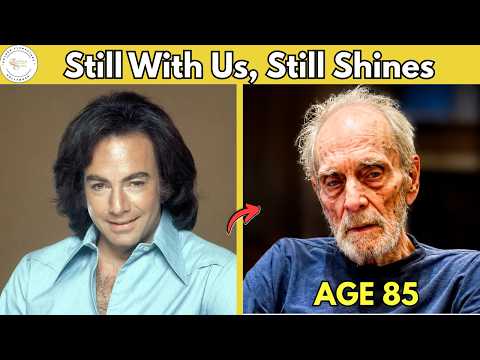
Take Willie Nelson, for instance. At 93, with his braided hair and trusty guitar, he’s still on the road, proving that age is just a number when your heart beats in rhythm with a song. Or Bob Dylan, the Nobel laureate who at 85 continues to tour, his raspy voice still carrying the weight of generations. These are not just survivors; they are living proof that music is the fountain of youth.
But the spotlight also shines on those who have left us—legends like David Crosby and John Sykes, whose music remains immortal even as their voices have fallen silent. Their absence makes the presence of the remaining stars even more precious.
As we journey through this list, you’ll meet the architects of rock, the queens of soul, and the princes of pop—each with a story that transcends the stage. From the explosive energy of Roger Daltrey to the gentle grace of Judy Collins, their lives are a testament to the power of reinvention and the beauty of growing older with purpose.
Some, like Linda Ronstadt, have faced health battles that stole their voice but not their spirit. Others, like Dolly Parton, seem to defy time itself, still sparkling at 80 with the same wit and warmth that made her a global treasure.
So, as we look back at the legends of the 60s–80s, we celebrate not just their music, but their journey—the highs, the lows, and the undeniable fact that their songs are the soundtrack of our lives. And the story is far from over.
Let’s begin with the ones who seem to have struck a secret deal with time itself. Willie Nelson, at 93, is still out there on his beloved road, his guitar Trigger as weathered as his voice, yet both still carrying that unmistakable warmth. He closed out 2025 with a string of festival dates and shows no sign of slowing down. Bob Dylan, the enigmatic Nobel laureate, turned 85 and remains a touring enigma, his setlists as unpredictable as ever, reminding us that a true artist never stops reinventing.
Then there’s Elton John, 79, who bid farewell to the yellow brick road but not to music. He’s poured his energy into family, musicals, and his AIDS foundation, occasionally surprising fans with a guest appearance. And Dolly Parton, 80, still sparkles with the same wit and warmth, juggling business, philanthropy, and the occasional new album as if age were merely a suggestion.
But the spotlight also shines on those who have left us—legends like David Crosby and John Sykes, whose music remains immortal even as their voices have fallen silent. Their absence makes the presence of the remaining stars even more precious.
Of course, not everyone’s story is one of relentless motion. Some have chosen a quieter path. Linda Ronstadt, 79, retired from singing due to progressive supranuclear palsy, but her voice still echoes in every note of her classic albums. She’s found peace in painting and writing, a graceful exit from the stage she once commanded.
Judy Collins, 87, is still touring on her farewell jaunt, her crystal-clear soprano undimmed by the years. She’s also become a beacon for mental health advocacy, proving that artistry and activism can walk hand in hand. And Joan Baez, 85, has traded the concert hall for the canvas and the page, her voice of protest now a whisper of wisdom.
Others, like Grace Slick, 86, left rock behind for the brush, her sharp wit and rebellious spirit still intact. Diana Ross, 82, makes selective appearances, each one a reminder of her disco-era glamour and enduring charisma.
Then there are those who continue to defy expectations. Mick Jagger and Keith Richards, both in their 80s, still lead the Rolling Stones with a swagger that belies their years. Richards, 82, has postponed tours but remains creatively restless, while Jagger, 82, seems to have discovered the secret to eternal youth. Paul McCartney, 83, still fills stadiums, his voice a little raspier but his charm undiminished.
And who could forget Stevie Wonder, 76, still a creative force, using his voice to inspire hope and unity. Sting, 74, continues to tour with his power trio, his musicianship as refined as ever. Billy Joel, 76, may have retired from writing pop songs, but his live shows remain legendary, a celebration of a catalog that defines American music.
As we look ahead, the question is not just who is still with us, but how their legacies will shape the next generation. The music of these legends is more than nostalgia—it’s a living, breathing force that continues to inspire, comfort, and unite. And as long as their songs are sung, their spirits will never truly leave the stage.
But the roll call of legends doesn’t end with the names that dominate stadium marquees. There are quieter giants, too—artists who shaped the sound of a generation without ever chasing the spotlight. Take Art Garfunkel, 84, whose angelic tenor once floated over Simon’s intricate melodies in “The Sound of Silence.” After recovering from vocal cord paralysis, he’s returned to intimate performances, reading poetry between songs as if inviting old friends into his living room.
Then there’s Mavis Staples, 86, whose warm, grandmotherly smile hides a voice that can still shake the rafters. Rooted in gospel and the civil rights movement, she’s now collaborating with younger rock and pop artists, proving that the spirit of “I’ll Take You There” is as vital as ever.
And what of the soul survivors? Smokey Robinson, 86, still glides across the stage with the elegance of Motown’s golden age. His green eyes still sparkle, his tenor still silky, and his presence a living reminder of the label’s romantic heyday. Dionne Warwick, 85, remains the epitome of Bacharach-David sophistication, still performing and charming audiences with her sharp wit.
Yet for every star still shining, there are those whose light has dimmed. Tony Bennett left us in 2023, his voice silenced by Alzheimer’s but his legacy eternal. David Crosby passed in 2023 at 81, his harmonies with Stills, Nash, and Young forever etched in our minds. And John Sykes, the fiery guitarist of Thin Lizzy and Whitesnake, died in 2024 at just 65, a reminder that rock’s flame can burn out too soon.
As the years march on, the line between active legend and cherished memory grows thinner. Frankie Valli, 91, still steps onto select stages, his falsetto a little thinner but his charm undiminished. Bobby Rydell and Frankie Avalon, both in their mid-80s, still make appearances that transport audiences back to the innocence of the early 60s.
But it’s the ones who keep pushing forward that truly inspire. Dolly Parton, at 80, has just announced a new rock album, following her induction into the Rock & Roll Hall of Fame. Paul McCartney, 83, is reportedly working on a new project, his creative spark showing no signs of fading. And Stevie Wonder, 76, continues to use his platform for social justice, reminding us that music can be both a balm and a battle cry.
What unites these artists is not just talent, but something deeper—a refusal to be defined by age. They are proof that the stage doesn’t belong to the young alone, and that the songs we love only grow richer with time.
So as we look at this constellation of stars, some still burning bright, others now twinkling from afar, we’re reminded that their music is a bridge across generations. And the question isn’t just who’s still with us—it’s how we honor the ones who’ve gone, and how we celebrate the ones who remain.
As the final notes of this grand symphony fade, we’re left with a truth that transcends charts and awards: these artists didn’t just make music—they made memories. From Willie Nelson’s weathered guitar to Stevie Wonder’s joyful keyboard, each one gifted us a piece of their soul.
Some, like Dolly Parton and Paul McCartney, still light up the stage with an energy that shames performers half their age. Others, like Linda Ronstadt and Joan Baez, have found new ways to create, proving that artistry doesn’t end when the spotlight dims. And those we’ve lost—David Crosby, Tony Bennett, John Sykes—live on in every note we replay.
Their stories remind us that growing older isn’t about slowing down; it’s about evolving. Whether they’re 93 and touring or 80 and painting, they show us that passion has no expiration date. The music they gave us is more than nostalgia—it’s a living, breathing legacy that connects generations.
So the next time you hear “Stairway to Heaven” or “I Will Always Love You,” remember the hands that wrote it, the voice that sang it, and the spirit that still shines. These legends are not just survivors; they are conquerors of time.
Now, we turn it over to you: Which of these iconic artists has left the deepest mark on your heart, and why? Share your story in the comments below—we’d love to hear from you.
Report this article
Select a reason for reporting:






