Do you remember the actress who made you laugh until your sides ached, or the one who brought tears streaming down your face? The one whose face on the silver screen made your heart skip a beat? They were the legends who defined our youth, the bright flames that lit up the darkness of the cinema. But time is a relentless director, and the spotlight eventually moves on. What happens when the credits roll on a career? Where do these icons go when the applause fades?
In this journey, we revisit the unforgettable women who captured our hearts, from breakout roles that launched them to stardom to the signature beauty that made them immortal. We’ll explore the performances we still cherish and the lives they’ve built beyond the glare of Hollywood. Stay with us, because some of these transformations will leave you breathless—and one might just surprise you the most.
Take Barbara Barrie, who blended delicate beauty with a fighter’s spirit. She broke out in One Potato, Two Potato, winning Best Actress at Cannes, and later earned an Oscar nomination for Breaking Away. Now 94, she lives quietly, celebrated for a lifetime of prestige and masterful performances. Then there’s Joanna Miles, a prestige TV beauty with stage-level intensity, crowned by two Emmy wins for The Glass Menagerie. Viewers also remember her from All My Children and Star Trek: The Next Generation. Now 85, she remains an admired classic performer, seen only occasionally on screen.
But not all stories are of quiet retirement. Pam Grier became the 1970s action icon of blaxploitation, blasting into fame with Coffee and Foxy Brown. After Hollywood tried to box her in, Tarantino revived her legend with Jackie Brown. Behind the shine, she battled stage four cervical cancer and survived. Now 76, she lives largely on a Colorado ranch and works selectively. And Delta Burke became an ’80s Southern Belle icon as Suzanne Sugarbaker on Designing Women, but fame came with brutal weight-shaming headlines and behind-the-scenes conflict. Now 69, she lives quietly with Gerald McRaney and rarely returns on camera.
Some chose to walk away at the height of their fame. Dolores Hart was an Elvis-era Hollywood ingenue, giving Presley his first on-screen kiss in Loving You. At her peak, she shocked fans by leaving film in 1963, calling off an engagement, and joining the Benedictines at Connecticut’s Abbey of Regina Laudis. Now 87, Mother Dolores remains at the Abbey. Similarly, Kristy McNichol lit up the late 1970s as Buddy on TV’s Family, winning Emmys and becoming a teen idol. After intense pressure and a bipolar diagnosis, she stepped away from acting and later publicly came out, choosing peace over fame. Now 63, she lives privately with long-time partner Martie Allen.
Others faced personal battles that reshaped their lives. Melanie Griffith rose as an ’80s glamour icon, then hit career-defining fame in Working Girl. She later faced very public battles with addiction recovery and underwent treatment for skin cancer. Now 68, she appears occasionally on screen and focuses on family, art, and quieter projects. Halle Berry rose from pageants to global stardom, making history with an Oscar for Monster’s Ball. Off-screen, her high-profile relationships and custody battles fueled tabloids, but she kept rebuilding on her own terms. Now 59, she continues acting, producing, and stepping behind the camera.
And then there are those we’ve lost, but whose legacies endure. Olivia Hussey, with luminous innocence, seemed born to play Shakespeare’s most tragic lover. As Juliet in the 1968 Romeo and Juliet, every glance felt like first love captured forever. She died in 2024 at 73, remembered as the definitive young Juliet. Diane Keaton, with her quirky charm, made romance feel intimate and wonderfully unpredictable as Annie Hall. She died in 2025 at 79, forever the muse of witty, bittersweet affection.
As we look at these women, we don’t just see famous faces—we see pieces of our own past. They carried us through first crushes, family movie nights, and scenes that still sting in the best way. But their stories are far from over. In the next part, we’ll dive deeper into the lives of more legends, from the ones who found new callings to the ones who vanished into silence. Who changed the most? Who stayed the same? And what secrets lie behind the transformations?
Let’s start with the women who never truly left the stage. Carol Kane, instantly recognizable by her unique voice, first broke through in the 1970s with an Oscar-nominated turn in Hester Street. She became a household name charming millions as Simka on Taxi, winning two Emmys, then built a career through quirky hits like The Princess Bride and Broadway’s Wicked. Now 73, she remains active in TV and film. Beside her, Marilu Henner turned sitcom charm into a lasting career—five Golden Globe nominations, L.A. Story, and that rare, near-total autobiographical memory known as hyperthymesia. Now 73, she’s still working, based in Los Angeles, and pursuing more theater.
Some legends found a second act far from the camera. Shelley Hack was the face of Revlon’s Charlie and stepped into pop culture fame as Tiffany Wells on Charlie’s Angels. After the spotlight backlash, she pivoted into producing, media consulting, and international civic work. Now 78, she’s best known as an actress turned media activist. Diana Muldaur, remembered for icy brilliance as Rosalind Shays on L.A. Law and Dr. Pulaski on Star Trek, spent years on Martha’s Vineyard caregiving and supporting an animal shelter. Now 87, she stays mostly out of the spotlight, still celebrated by classic TV fans.
And then there are the voices that refuse to soften. Miriam Margolyes, the scene-stealing Professor Sprout of the Harry Potter films, has been candid about aging, health struggles, and her no-filter opinions that sometimes spark headlines. Now 84, she still pops up in voice work and documentaries. Lea DeLaria, the powerhouse Big Boo of Orange Is the New Black, continues touring, recording jazz, and taking roles that fit her unapologetic style. Now 67, she remains a bold trailblazer for LGBTQ+ visibility.
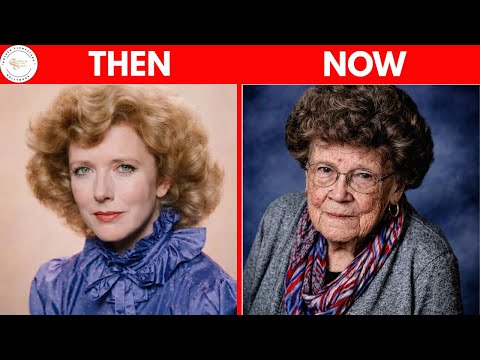
But perhaps the most surprising transformation belongs to Barbara Babcock. Named one of People’s 50 Most Beautiful People in 1994, she was a cool, sophisticated TV siren crowned by her Emmy-winning turn on Hill Street Blues. Fans also remember her as Dorothy Jennings on Dr. Quinn, Medicine Woman. After her mother’s passing, she retired to Carmel. Now 88 and living with a Parkinson’s diagnosis, she remains largely out of the spotlight—yet those who remember her know that cool sophistication never really fades.
What ties these women together isn’t just talent or beauty. It’s resilience. They survived the brutal weight-shaming, the tabloid scrutiny, the diagnoses, and the silence that follows when the phone stops ringing. They rebuilt in Carmel, on Colorado ranches, on Martha’s Vineyard, and in quiet English villages. And as we move deeper into their stories, we’ll meet the ones who vanished completely—and the ones who, against all odds, stepped back into the light.
Some of these legends made their mark in genres the mainstream rarely celebrates. Barbara Steele, the haunting beauty of Black Sunday and Europe’s queen of gothic horror, became a cult icon across two continents. Now 87, she looks dramatically different from her ethereal screen persona, yet her influence on the horror genre remains unmatched. Luciana Paluzzi, the fiery Italian beauty who stunned audiences as Fiona Volpe in Thunderball, became one of the most unforgettable Bond girls of the 1960s. Now 88, her razor-sharp glamour has mellowed into a softer, dignified elegance, but she remains a cherished icon of classic Euro cinema.
Others defined an entire era of style. Jean Shrimpton, the quintessential 1960s supermodel, mesmerized the world with her fresh, doe-eyed beauty before appearing on film in Privilege. She long ago left the spotlight for a quiet life in England, aging naturally and privately. Now 83, she remains an enduring fashion legend. Marisa Berenson, the refined European beauty of Death in Venice, captivated audiences with her aristocratic features and mysterious charm. Now 85, she is still revered in France and Italy as an elegant, intellectual figure of art-house cinema.
But time has been kinder to some than others. Valerie Perrine, with her bold, sensual beauty in Lenny, later delighted fans as Lex Luthor’s glamorous sidekick in Superman. In recent years, illness and time have visibly transformed her appearance, yet her spirit and screen legacy endure. Now 82, she is remembered as a fearless, award-winning trailblazer. Mamie Van Doren, the platinum blonde sex symbol of the 1950s, once dazzled Hollywood with her bold glamour. Now 94, she looks dramatically transformed by age and cosmetic procedures, yet she still carries unapologetic confidence, reminding fans of the fearless spirit that defined her legendary career.
And then there are the ones who simply chose to disappear. Terry Moore, the radiant star of Mighty Joe Young, once captivated audiences with her fresh beauty and magnetic charm. Now 96, she lives a quiet, private life, her appearance greatly changed with age, yet to fans she remains a timeless symbol of classic Hollywood’s golden era. Barbara Bain, who skyrocketed to fame as Cinnamon Carter in the original Mission: Impossible, became an icon of 1960s espionage glamour. Now 94, she appears markedly aged and fragile, yet her dignified presence and groundbreaking television work continue to inspire generations.
Perhaps the most poignant stories belong to those who faced illness in their final years. Joanne Woodward, the Oscar-winning star of The Three Faces of Eve and wife of Paul Newman, was long admired for her intelligence and quiet strength. Now 95, she lives privately while battling Alzheimer’s disease, yet her legacy of depth and dignity endures. Estelle Parsons, the Oscar-winning actress of Bonnie and Clyde and the sharp-tongued Beverly Harris on Roseanne, built a career defined by intensity and intelligence. Now 97, she appears rarely in public and lives peacefully in retirement, her legacy cherished by audiences who admire her bold performances and remarkable longevity.
What strikes us most, looking at these women, is not how they’ve aged—but how they’ve endured. They survived the brutal weight-shaming, the tabloid scrutiny, the diagnoses, and the silence that follows when the phone stops ringing. They rebuilt in Carmel, on Colorado ranches, on Martha’s Vineyard, and in quiet English villages. And as we move deeper into their stories, we’ll meet the ones who vanished completely—and the ones who, against all odds, stepped back into the light.
And then there are the ones who stepped back into the light against all odds. Lainie Kazan, the warm, brassy scene-stealer of My Big Fat Greek Wedding, made headlines in 2017 after an arrest over unpaid groceries, which her attorney called a misunderstanding. Now 85, she still pops up in acting and voice roles, that unmistakable laugh intact. Dyan Cannon, radiant star of Bob & Carol & Ted & Alice, remains energetic and full of spirit at 88, a lively reminder of Hollywood’s golden charm.
Some found peace in faith and family. Mary Tyler Moore turned pain into advocacy, speaking openly about mental health and bipolar disorder. Now 85, she’s mostly retired, celebrated as a classic TV mainstay. Ali MacGraw, the unforgettable beauty of Love Story, now 86, embraces a quiet life focused on spirituality and simplicity, her timeless poise still moving generations.
And the icons of romance endure. Katharine Ross, 85, remains the gentle face of bittersweet longing. Julie Christie, 85, is still the image of fragile, poetic love. Catherine Deneuve, 82, carries love like a quiet wound that never fully heals. Barbra Streisand, 83, endures as passionate, principled love that refuses to fade. Faye Dunaway, 84, stays the face of seductive, shadowed passion.
Today, we didn’t just revisit famous faces. We revisited pieces of our own past—first crushes, family movie nights, scenes that still sting in the best way. Which of these legends surprised you most, and which film moment still lives in your heart?
Report this article
Select a reason for reporting:






