After Her One Night Stand, My Wife Came Home LAUGHING. I Filed For Divorce…
AFTER HER ONE-NIGHT STAND, MY WIFE CAME HOME LAUGHING.
I FILED FOR DIVORCE—BUT SHE NEVER IMAGINED WHAT I WOULD FIND BEFORE THE PAPERS WERE SERVED.
PART 1 — THE LAUGHTER THAT ENDED EIGHT YEARS
My wife came home at three in the morning smelling like another man, laughing as if she’d just had the best night of her life.
She kissed my cheek, told me I worried too much, and went upstairs to sleep in our bed.
Six weeks later, she stood in our doorway staring at two suitcases, a stack of photographs, and divorce papers that had already been filed.
But the story of how we got there began with a broken high heel.
My name is Donald Whitaker.
I was forty-one years old when my marriage ended, although it took several more months for a judge to make it official.
My wife, Bianca, was thirty-seven, and we had been married for eight years.
Until that autumn, I believed we had the kind of marriage people spent their twenties hoping to find.
We weren’t wealthy enough to stop thinking about money, but we were comfortable enough to stop worrying about it every morning.
I owned a construction company specializing in commercial renovations and waterfront properties.
Eleven years earlier, I’d started the business with a used pickup truck, two reliable employees, and a line of credit that kept me awake most nights.
By the time Bianca and I moved to a quiet Wisconsin lakeside town, the company had grown to twenty-three employees and secured several contracts worth more than anything I’d imagined when I started.
We bought a beautiful two-story house overlooking the water.
It had wide windows, a long wooden deck, and a kitchen Bianca had fallen in love with before we even finished the first showing.
She stood in that kitchen on moving day, surrounded by unopened cardboard boxes, and told me, “I can finally imagine us growing old somewhere.”
I remember putting down the box I was carrying and kissing her forehead.
“So can I.”
That memory eventually became one of the hardest to live with.
Because I could remember exactly how happy she sounded.
I just couldn’t remember when she’d stopped meaning it.
On the Saturday everything began to unravel, I was sitting at our dining table reviewing subcontractor invoices.
The house smelled faintly of lemon cleaner, and an afternoon thunderstorm had left the windows streaked with rain.
Bianca stood in front of the hallway mirror wearing a dark green dress I hadn’t seen before.
She was fastening a pair of silver earrings, lifting her hair away from her neck.
“Emily’s birthday party is tonight,” she said.
I looked up. “Emily from work?”
“Yeah.
A few of us rented a room downtown.
There’ll be dinner, drinks, probably dancing.”
“Sounds expensive for a birthday.”
She caught my reflection in the mirror and smiled. “It’s called having fun, Donald.
You should try it sometime.”
I laughed because I thought she was teasing.
“How late are we talking?”
“Late.”
“Midnight late or breakfast-tomorrow late?”
She crossed the hallway and rested her hands on my shoulders.
“Don’t be dramatic.
I’ll text you.”
Then she kissed my cheek.
I turned my head, hoping for a proper kiss, but she’d already stepped away.
“Love you,” I called.
“Love you too.”
The front door closed behind her.
I went back to my invoices.
Nothing about those five minutes seemed important enough to remember.
Later, I would replay them more often than our wedding vows.
That evening, I worked until nearly ten, heated leftover pasta, and watched the last few innings of a baseball game.
At eleven-thirty, I sent Bianca a message.
Hope you’re having fun.
Drive carefully.
She replied twenty minutes later.
Having a blast.
Don’t wait up ❤️
The heart was familiar.
The message wasn’t.
Bianca used to tell me where she was going without being asked.
If she changed restaurants, she’d mention it.
If someone offered her a ride, she’d send me the person’s name.
I never demanded those details.
We simply had the habit of sharing our lives.
Lately, that habit had begun to disappear.
At 12:40, I went upstairs.
At , I came back down for water.
At , I was still awake, sitting in the dark living room while the lake reflected the distant lights of the marina.
I told myself I was being ridiculous.
She was thirty-seven, not seventeen.
She didn’t need a curfew, and I didn’t need to act like her father.
Then, at a.m., headlights swept across our driveway.
A car door slammed.
I heard footsteps on the porch, followed by the familiar scrape of Bianca’s key in the lock.
The door swung open.
And she laughed.
Not a polite chuckle or the tired laugh of someone leaving an enjoyable party.
It was a full, private burst of laughter, the kind people make when they’re remembering something they don’t intend to share.
She leaned against the wall, slipped off one shoe, and held the other in her hand.
Its heel had snapped clean off.
“Oh my God,” she murmured, laughing again. “Unbelievable.”
I turned on the lamp.
She jumped slightly.
“Donald!
You scared me.”
“Looks like somebody had a good night.”
She pressed a hand to her chest, still smiling. “You have no idea.”
I stood.
And that was when I smelled it.
Cologne.
A heavy, unfamiliar scent, woody and sharp, clinging to the shoulder of her dress.
I’d worn the same understated cologne for years.
Bianca bought it for me every Christmas, even when I still had half a bottle.
This wasn’t mine.
“Where were you?” I asked.
She blinked. “At Emily’s birthday.
I told you.”
“At three in the morning?”
“The place stayed open late.”
“And what happened to your shoe?”
“We were dancing.”
She lifted the broken heel as if it proved her explanation.
“Somebody stepped on it.
I nearly fell over.
It was hilarious.”
I watched her face.
She was flushed, but not stumbling.
Her speech was clear.
She didn’t look confused or particularly drunk.
She looked delighted.
“Bianca.”
Something in my voice made her stop smiling.
“Yeah?”
“Come here.”
She approached me slowly.
I pointed toward her shoulder.
“Why do you smell like another man?”
For perhaps half a second, her expression went completely still.
Then she rolled her eyes.
“Seriously?”
“I’m asking.”
“It’s a crowded bar, Donald.
People dance.
People hug.
Are you going to interrogate me because somebody wore too much cologne?”
“Whose cologne?”
“How would I know?”
She tried to move around me.
I didn’t block her.
Instead, I asked one more question.
“Did Emily have a good birthday?”
Bianca turned.
“Of course.”
“That’s nice.”
She stared at me as if waiting for something else.
When I said nothing, she sighed.
“You worry too much.”
Then she reached out, patted my chest, and walked upstairs.
A minute later, I heard the bathroom faucet running.
I remained beside the sofa, looking at the place where she’d dropped her broken shoe.
The heel lay several inches away from the sole.
A ridiculous little object.
A piece of plastic and metal that had somehow become the only honest thing she’d brought home.
I picked it up.
Then I put it down again.
At a.m., I heard the shower turn on.
Bianca almost never showered after a late night out.
Usually, she complained about being tired and went straight to sleep.
I stood at the foot of the staircase, listening to water run through the pipes.
Part of me wanted to go upstairs and demand answers.
Another part remembered something my father had told me when I first started my company.
“When somebody gives you a story that doesn’t fit, don’t start by telling them what you know.
Find out what they want you to believe.”
My father was talking about contractors.
I never imagined I’d use that advice in my marriage.
I went into the kitchen, made coffee I didn’t drink, and watched the sky begin to lighten over the lake.
When Bianca came downstairs late the next morning, she wore one of my old T-shirts and looked perfectly comfortable.
“Morning,” she said.
“Morning.”
She opened the refrigerator. “Did you sleep okay?”
“Eventually.”
She glanced at me.
“You’re not still upset about last night, are you?”
I studied her over the rim of my coffee cup.
“No.”
Her shoulders relaxed.
“Good.
Because I really don’t want an argument about a stupid party.”
She poured orange juice into a glass, kissed my cheek, and went outside to sit on the deck.
I watched her through the kitchen window.
She lifted her phone.
Read something.
And smiled.
For the first time in eight years, I didn’t recognize that smile.
Three days later, Bianca announced she would be staying late at work because of a financial audit.
She worked as an operations coordinator at a regional distribution company.
Although her department wasn’t responsible for accounting, she’d occasionally helped prepare paperwork for audits.
“Probably nine, maybe later,” she said while fastening her navy blazer.
“That sounds rough.”
“It is.
Nobody’s happy.”
She took her coffee and hurried toward the garage.
I watched her leave without asking another question.
That evening, after meeting a supplier near the waterfront, I stopped at a restaurant overlooking the marina.
I’d barely sat down when someone called my name.
“Donald Whitaker?”
I turned.
Raymond Collins was standing beside the bar, smiling.
I’d renovated one of his commercial properties two years earlier.
Raymond was a retired insurance adjuster, the kind of man who remembered license plates, building permits, and exactly how many dollars a contractor had charged him.
We shook hands and talked about work.
Then his expression changed.
“Can I ask you something a little personal?”
“Sure.”
“Does Bianca still drive that blue SUV?”
My fingers tightened around my water glass.
“Yeah.
Why?”
Raymond looked toward the windows.
“I was at the Harborview Inn last Saturday.
Fishing tournament.
Stayed overnight.”
I didn’t move.
“I’m almost certain I saw her vehicle there.”
“Really?”
“Same color.
Same model.
Even had that little white mark on the rear bumper.”
Bianca had backed into our garage shelving the previous winter.
We’d never bothered repairing the scratch.
Raymond shifted uncomfortably.
“Look, maybe I’m mistaken.”
“Just tell me what you saw.”
He rubbed the side of his glass with his thumb.
“She was with a man.
Tall fellow.
Black leather jacket.
I saw them leave the building together early Sunday morning.”
The restaurant suddenly seemed very quiet.
I could hear silverware striking plates three tables away.
“Did they look like friends?” I asked.
Raymond hesitated.
That hesitation told me more than his answer.
“I don’t know what they were,” he said carefully. “But I saw him put his arm around her, and she didn’t exactly move away.”
I nodded.
“Thanks for telling me.”
“Donald, I wouldn’t have mentioned it if I hadn’t been pretty sure.”
“I know.”
He looked genuinely sorry.
I shook his hand and walked outside before the server brought my food.
The parking lot smelled of wet asphalt.
Somewhere along the marina, a boat engine coughed into life.
I stood beside my truck, holding my keys so tightly that the metal pressed into my palm.
I wanted Raymond to be wrong.
I wanted him to have mistaken another blue SUV for Bianca’s.
I wanted there to have been a woman named Emily, a birthday cake, terrible dancing, and a perfectly innocent explanation for every detail.
But when I called an employee I knew at Bianca’s company and casually mentioned Emily’s birthday celebration, the woman sounded confused.
“Emily?” she repeated.
“The birthday party Saturday.”
There was a pause.
“Donald, I don’t know what party you’re talking about.”
I thanked her and ended the call.
Then I sat motionless behind the steering wheel.
Bianca hadn’t just come home late.
She’d invented an entire evening.
And as I stared at the marina, one memory returned with sickening clarity.
You have no idea.
That was what she’d said when I told her she looked like she’d had a good night.
At the time, I’d thought she was joking.
Now, I wondered whether she’d been enjoying the fact that I didn’t know the truth.
I started the engine.
Then I stopped.
Because suddenly I understood that confronting her would accomplish nothing.
She already had answers prepared.
What I needed wasn’t another answer.
It was something she couldn’t rehearse her way around.
And I was about to discover that the man at the Harborview Inn was only one part of a secret much larger than a single Saturday night.
PART 2 — THE WOMAN WHO CAME HOME TO ME WAS LIVING ANOTHER LIFE
The first lie had lasted one night.
The others had been going on for months.
I didn’t tell Bianca about Raymond.
I didn’t mention the Harborview Inn, the blue SUV, or the man in the leather jacket.
Instead, I went home, showered, and sat beside her while she watched a movie she’d already seen twice.
She tucked her feet beneath my leg.
For a while, we looked exactly like the couple we’d always been.
That was the strange cruelty of it.
Our marriage still had the furniture, the routines, the photographs, and the familiar gestures.
It was only the trust holding those things together that had started to disappear.
“Everything okay at work?” she asked.
“Busy.”
“You’re awfully quiet.”
“Long day.”
She pressed a kiss against my shoulder.
“Poor thing.”
I looked at the television because I didn’t trust myself to look at her.
Over the next few days, I noticed things that had previously seemed too ordinary to question.
Bianca’s phone no longer sat charging on the kitchen counter.
She carried it from room to room, even when she was only going upstairs to change.
She’d started taking calls in the laundry room.
If I entered while she was typing, her screen went dark.
Once, at dinner, her phone vibrated beside her plate.
She glanced at the display.
Her expression softened.
Then she turned it face down.
“Work?” I asked.
“Just nonsense.”
She reached for her wine.
I said nothing.
By Friday, I’d begun noticing how carefully she controlled our conversations.
She asked about my construction schedules, which employees were giving me trouble, and whether I was still traveling to Milwaukee the following week.
When I asked about her days, her answers became strangely brief.
“Meetings.”
“Reports.”
“Same old nonsense.”
One evening, I deliberately mentioned that my schedule might change.
“Looks like the Milwaukee trip is canceled.”
She looked up too quickly.
“Canceled?”
“Probably.
Why?”
“No reason.
I just thought you were going.”
“Would that have been a problem?”
She gave a small laugh.
“Of course not.”
But she checked her phone less than a minute later.
That night, I lay awake beside her, listening to the small sounds of our house.
The refrigerator humming downstairs.
Wind brushing the bedroom window.
Bianca breathing evenly beneath the sheets.
I remembered our first apartment in Madison, when the furnace barely worked and she used to warm her feet against my legs because her toes were always cold.
Back then, we told each other everything.
Not because we had perfect lives, but because neither of us wanted to face the imperfect parts alone.
Now, I felt like a stranger sleeping beside someone who knew exactly how to imitate my wife.
On Sunday, Bianca came home complaining about a headache.
She’d worked a full day, or at least claimed she had.
Her eyes were tired, and she barely touched the soup I made.
“I’m going upstairs,” she said. “I think I’m getting sick.”
“Want anything?”
“Just sleep.”
She took some cold medicine, placed her phone on the nightstand to charge, and turned off the bedroom light before nine.
I washed the dishes slowly.
Then I sat at the kitchen table for nearly forty minutes.
I knew what I was considering.
I also knew that looking through my wife’s phone meant crossing a boundary we had never needed to discuss.
But I could no longer pretend that boundary existed in a marriage where one person might already have abandoned the truth.
Eventually, I went upstairs.
Bianca was asleep, one hand resting beneath her pillow.
Her phone lay beside the lamp.
The passcode was unchanged.
Our wedding anniversary.
I almost laughed at that.
She had changed everything about how she lived, but she still used the date we got married to protect the conversations she didn’t want me to see.
The first message thread I opened belonged to someone named Jack Mercer.
The most recent message was from Bianca.
I still can’t stop smiling when I think about Saturday.
Jack had replied:
That hotel was worth every risk.
I stared at the words.
For several seconds, I couldn’t bring myself to scroll.
A single text message had stripped away every reasonable explanation I had spent the week constructing.
The man in the leather jacket was real.
The hotel was real.
And my wife hadn’t gone there by accident.
Further down, I found a message sent three days before her supposed girls’ night.
Harborview confirmed, Jack had written.
I’ll get there first.
Take your own car so nobody asks questions.
Bianca replied:
Relax.
Donald thinks I’m going out with the girls.
Then a laughing emoji.
I put the phone down.
My hands were shaking.
Not violently, but enough that I had trouble lining it up with the edge of the nightstand.
I looked at Bianca.
She slept peacefully.
I wanted to wake her and ask how a woman could lie so casually to someone she had promised to love.
But when I opened the conversation again, I found something worse.
Jack had written:
Next time we won’t have to rush.
Bianca answered:
Next time I want the whole weekend.
I scrolled backward.
There were messages about meeting at a coffee shop, exchanging photographs, and finding places where they were unlikely to be recognized.
Their conversation wasn’t especially romantic.
That somehow made it worse.
It was practical.
They discussed schedules, hotel costs, excuses, and exactly how long Bianca could be away from home before I might start asking questions.
She hadn’t fallen into somebody else’s arms during a moment of confusion.
She’d planned the entire thing around the life we shared.
I photographed the relevant messages with my phone, careful not to delete or change anything.
Then I opened her other conversations.
There was a group chat with three women I knew.
Lauren, Paige, and Chelsea.
They’d attended our backyard cookouts, exchanged Christmas gifts with us, and sat at our dining table while Bianca told stories about her week.
Lauren had even hugged me at our seventh-anniversary dinner.
The group chat went back months.
At first, I saw harmless complaints about work and jokes about getting older.
Then I reached a message Bianca had sent in May.
Met somebody interesting tonight.
Don’t judge me.
Paige replied:
Again?
Girl, you’re dangerous.
Chelsea sent a row of laughing emojis.
Bianca wrote:
It’s not my fault married life is so predictable.
I read further.
There had been other men.
At least two she explicitly described as one-night encounters.
One after an out-of-town training event.
Another during a weekend when she’d told me she was staying with Lauren.
I remembered that weekend.
I had spent Saturday repairing a loose board on the back deck because Bianca had complained that someone might trip.
When she came home Sunday afternoon, she’d thanked me for fixing it.
That memory landed harder than the messages.
She’d been grateful I made our house safer while she was returning from somebody else’s bed.
In July, Bianca had written:
Honestly, Donald hasn’t suspected a thing.
Paige answered:
That’s because he’s permanently married to his spreadsheets.
Bianca replied:
Exactly.
As long as he has work and football, he’s happy.
The women laughed.
I sat on the edge of our bed, staring at words that made my face burn.
I could have accepted that Bianca found my work frustrating.
I was gone too often, came home exhausted, and sometimes answered business calls during dinner.
Those were real shortcomings.
We’d argued about them before.
But seeing my wife turn my effort into a joke for other people was different.
I had worked those hours believing we were building the same future.
She was using them to explain why I wouldn’t notice she was dismantling it.
Then I reached a message from August.
Bianca had sent a photograph of herself and Jack at an outdoor concert.
His arm rested around her shoulders.
She was smiling up at him.
Chelsea wrote:
Okay, this one’s actually cute.
Bianca replied:
He’s different.
Lauren asked:
Different how?
There was a pause of several minutes before Bianca answered.
I don’t know.
He makes me feel like I’m thirty again.
Paige wrote:
Careful.
That’s how people get divorced.
Bianca answered:
Donald would never leave me.
I read that line three times.
My wife didn’t say she would never betray me.
She didn’t say she loved me too much to risk our marriage.
She said I would never leave.
She believed my loyalty was permanent enough to survive anything she decided to do.
Then came the message that changed the way I understood all the others.
Lauren had asked whether Jack wanted something serious.
Bianca replied:
I haven’t pushed him yet.
But if he asked me to choose, I honestly don’t know what I’d do.
A moment later, she’d added:
I never thought I’d say that about anybody but Donald.
My throat tightened.
I looked across the dark bedroom.
The woman I’d married was lying beneath the blanket I had pulled over her an hour earlier.
She was wearing one of my T-shirts.
And she had been discussing whether she might leave me for another man.
I backed up the photographs and messages I had captured, then returned the phone to its charger.
I went downstairs and opened the patio door.
Cold air came off the lake.
I stepped onto the deck barefoot, not caring that the boards were wet.
For years, whenever Bianca had a problem, she’d come to me.
A difficult coworker.
A disagreement with her sister.
A broken appliance.
An unexpected expense.
I’d been the person she trusted to make bad days manageable.
Now I understood that she’d come to depend on that so completely that she no longer believed she could lose it.
I gripped the deck railing.
A part of me still wanted an explanation.
A part of me wanted to hear her say none of it meant anything.
But another part had already made a decision.
I would not ask someone to choose me after she’d spent months treating me like the safest option rather than the person she loved.
At a.m., I opened my laptop.
I created a private folder.
Then I began organizing the evidence and writing down the dates, separating what I’d actually seen from what I merely suspected.
I wasn’t thinking about revenge.
I was thinking about protecting myself from the next lie.
And before the sun came up, I noticed one last detail in Bianca’s messages.
Three days earlier, Jack had asked when I would be away on business.
Bianca had answered:
He might be gone next Thursday.
I’ll know soon.
Below it was Jack’s response.
Good.
We need to talk about what happens next.
I stared at that message until the first pale light appeared over the lake.
Because I no longer knew whether my wife was simply cheating on me.
I didn’t know whether she was preparing to leave.
And I had no idea what the two of them believed should happen to the life I’d spent eleven years building.
PART 3 — THE MAN WHO WAS SUPPOSED TO NEVER FIND OUT
The morning after I found the messages, I went to a medical clinic instead of confronting my wife.
It was the first time in eight years that I felt the need to protect myself from someone I’d once trusted with my life.
Bianca was still asleep when I left.
I placed a note on the kitchen counter.
Early meeting.
Coffee’s ready.
The words looked painfully normal.
The clinic sat beside a shopping center twenty minutes from our house.
I arrived before opening and remained in my truck until I saw the receptionist turn on the lights.
Inside, I filled out a medical history form.
When the nurse asked why I wanted a sexually transmitted infection screening, I had trouble answering.
“My wife has been seeing other people,” I finally said. “I just found out.”
The nurse’s expression softened.
“I’m sorry.”
I looked at the floor.
“I don’t need anyone to be sorry.
I just need to know I’m okay.”
She nodded and explained the tests, including that some infections might require follow-up testing depending on the timing of any possible exposure.
I listened carefully.
For eight years, I’d never wondered whether being intimate with Bianca could put my health at risk.
Now I was sitting beneath fluorescent lights, answering questions about a marriage I suddenly realized I hadn’t understood.
After the blood draw, I returned to my truck.
My phone contained three messages from Bianca.
Where’d you go so early?
Can you pick up detergent?
Also, do you want chicken or salmon tonight?
I read them without replying.
A stranger might have thought those messages were proof of a loving marriage.
I had once thought so too.
By noon, I’d made an appointment with a divorce attorney named Elaine Porter.
Her office was on the second floor of a brick building overlooking the county courthouse.
She was in her early fifties, wore thin-framed glasses, and listened without interrupting while I explained what I knew.
When I finished, she closed her notebook.
“Donald, before we discuss anything else, I want you to understand something.”
I waited.
“Being betrayed does not mean you should start making financial decisions out of anger.”
“I’m not interested in hurting her.”
“Good.
Because the court won’t divide your property based on who behaved more badly in the marriage.”
I looked toward the window.
“Then what does all the evidence change?”
“It may explain why you’re ending the marriage.
But property division is another matter, and we need to handle that honestly.”
That was the first conversation in days that made me feel something other than numbness.
Elaine didn’t promise me victory.
She didn’t tell me Bianca would lose everything.
She asked about our accounts, the house, my company’s history, and the prenuptial agreement we’d signed before our wedding.
When Bianca and I married, my company was already established.
My father had insisted that I protect it because I had employees, outstanding projects, and obligations that existed independently of my marriage.
Bianca hadn’t been angry about signing the agreement.
At the time, she’d said, “I’m marrying you, not your business.”
I remembered how proud I’d been of her.
Elaine reviewed my copy and explained that it would be important, along with the business records and the way we’d handled our finances afterward.
“But the agreement doesn’t mean everything is automatically simple,” she warned. “We need to examine the marital assets separately.
The house, retirement contributions, and anything you’ve accumulated together still matter.”
“I want to be fair.”
“Then don’t move money around to punish her.
Don’t destroy records.
And don’t change the terms of her access to the house without talking to me.”
I nodded.
“And Donald?”
“Yeah?”
“Stop trying to catch her yourself.
Leave any further investigation to someone who knows the law.”
By the time I left, I had signed an engagement agreement and provided copies of the materials I’d preserved.
Elaine had given me something I badly needed.
Not a promise that I would feel better.
A way to proceed without becoming somebody I didn’t recognize.
My second appointment was with a private investigator named Victor Hayes.
Victor was a former insurance fraud investigator with a quiet voice and an unnerving ability to let silence do most of the work.
We met in a small office above a printing shop.
He listened to the history, looked at the hotel information, and reviewed the dates I’d written down.
“You’re certain she’s having an affair,” he said.
“Yes.”
“So what do you want me to establish?”
“Whether it’s continuing.
Whether he’s expecting her to leave me.
And whether there’s something else I need to know before I file.”
Victor considered that.
“Are you worried about your business?”
“I’m worried about what somebody who thinks I’m an idiot might try next.”
He nodded.
“Fair enough.”
I paid the retainer.
When I returned home, Bianca was preparing dinner.
She’d opened a bottle of wine and was humming to herself.
“You’re late,” she said.
“Work.”
“Your favorite excuse.”
She smiled.
I nearly told her everything right there.
But then she came around the kitchen island and put her arms around my waist.
“Are we okay?” she asked.
The question caught me off guard.
I looked at her face.
For a moment, I thought she knew.
Then I realized she was studying my reaction rather than searching for the truth.
“Why wouldn’t we be?”
“You’ve been distant.”
I took a slow breath.
“Things have been stressful.”
She rested her head against my chest.
“I know.
Maybe we should get away somewhere when work settles down.”
I stood very still.
There had been a time when I’d have opened my calendar immediately.
Now I was wondering whether she wanted a vacation with me or simply needed reassurance that I still believed in us.
“Maybe,” I said.
She leaned back and kissed me.
I couldn’t return the kiss.
She noticed.
“Donald?”
“I’m tired.”
Her expression tightened.
Then she stepped away.
“Okay.”
That night, she turned her back to me in bed.
I lay awake, realizing that for the first time in our marriage, she had asked whether we were okay because she sensed something changing.
And I had answered with the same kind of incomplete truth she’d been giving me for months.
The difference was that my silence was protecting an ending.
Hers had been protecting a secret.
Four days later, Victor called.
“I’ve got enough for us to talk.”
We met that afternoon.
He placed a large envelope on his desk.
“Your wife met Jack Mercer three times while I was watching.”
The first photograph showed Bianca getting into a dark pickup truck outside a coffee shop.
The second showed them walking along the marina.
She had her hand tucked into his.
In the third, Jack was kissing her outside a small rental cabin.
Bianca had one hand on his chest and the other around the back of his neck.
Her face was unmistakable.
Victor laid out a timeline.
Tuesday, p.m.
Thursday, p.m.
Saturday, 10:35 a.m.
While I had been arranging permits and approving payroll, my wife had been organizing an entirely different schedule.
“Did you identify him?” I asked.
“Jack Mercer.
Thirty-nine.
Works in regional equipment sales.
Divorced.
No children.”
I examined the photograph again.
He looked ordinary.
That bothered me more than I expected.
Part of me had imagined a man with something extraordinary about him, someone who could explain why Bianca was willing to destroy a marriage that had survived job losses, family deaths, and years of uncertainty.
But Jack was just a man.
Another person with a truck, a job, and enough free time to meet somebody else’s wife by the lake.
Victor pulled out another page.
“Your wife also had lunch with two women at a restaurant with an outdoor patio.
Their conversation was loud enough for people nearby to hear.”
I looked up.
“About me?”
He nodded.
“I wrote down the relevant parts.
I also have a short recording, but let your attorney decide whether there’s any lawful use for it.”
He set his notebook in front of me.
At the top was Bianca’s name.
Below it were the words:
Donald is dependable.
He pays the bills.
He works hard.
I read the next line.
Dependable isn’t exciting.
Then:
Jack makes me feel alive.
I leaned back in my chair.
Victor watched me without speaking.
The woman I loved didn’t see our marriage as a place where we had both chosen to build something.
She saw it as a place where I provided stability while she looked elsewhere for excitement.
I thought of Bianca’s birthday three years earlier.
She’d wanted a trip to Chicago, but my company was dealing with a disastrous subcontractor problem.
I couldn’t leave the job site, so I arranged everything for the following weekend.
She’d been disappointed.
I’d apologized repeatedly.
Later, she’d told me the trip was wonderful.
Now I wondered whether every disappointment I’d caused had become another story she told her friends about the boring man waiting at home.
“There’s more,” Victor said.
I looked up.
“Mercer was seen at that cabin with your wife twice.
Both times, she left separately.
They seem careful about being photographed together near town.”
“So they’re not planning to stop.”
“I can’t know what they’re planning.
I can tell you what they’re doing.”
I appreciated the distinction.
For days, everyone I’d spoken to had either lied, speculated, or apologized.
Victor simply showed me facts.
I took the photographs and placed them back in the envelope.
“Thank you.”
He hesitated.
“Can I offer one piece of advice?”
“Go ahead.”
“Don’t make tonight the night you confront her.”
I looked at him.
“Why?”
“Because right now you’re trying very hard to look calm, and people make bad decisions when they’re using all their energy to hold themselves together.”
I almost smiled.
“You’re probably right.”
I drove home slowly.
At a red light, I opened the center console to put away the envelope.
Inside was an old photograph from the day Bianca and I bought our house.
She was standing beside me on the porch, holding a bottle of champagne.
I had one arm around her shoulders.
We both looked exhausted from moving.
We also looked happy.
I picked it up, stared at it, and placed it beneath the envelope.
When I returned home, Bianca was sitting at the dining table with her laptop.
She looked up.
“How was your day?”
I set my keys beside the fruit bowl.
“Interesting.”
She smiled.
“Good interesting or bad interesting?”
I watched her close the laptop.
“Too early to tell.”
She studied me for a moment, then changed the subject.
That night, after Bianca went upstairs, I called Elaine.
“Move forward,” I said.
“You’re certain?”
“Yes.”
“We can prepare the petition.”
“Do it.”
There was a brief pause.
“Donald, you understand this means we’re starting a legal process.
Filing doesn’t settle anything overnight.”
“I understand.”
After we hung up, I sat in the living room with the photographs spread across the coffee table.
At midnight, Bianca came downstairs for water.
She stood in the hallway, barefoot, rubbing her eyes.
“What are you doing up?”
I had already put the photographs away.
“Thinking about work.”
She gave a sleepy smile.
“You’re always thinking about work.”
Then she returned upstairs.
I sat there for another hour.
Her words had been effortless.
Almost affectionate.
She still believed she knew exactly what kind of husband I was.
But the next time she came home from an evening with Jack, she would discover that the man she’d mistaken for predictable had finally done something she never expected.
PART 4 — THE QUIETEST DECISION I EVER MADE
I didn’t file for divorce because another man wanted my wife.
I filed because my wife had made me the joke in a life I was paying to maintain.
The distinction mattered.
Jack Mercer hadn’t promised me anything.
He hadn’t stood beside me in a courthouse eight years earlier and signed a marriage certificate.
He hadn’t made plans with me for a house by the water, a retirement filled with travel, or Sundays spent making breakfast without rushing to work.
Bianca had.
For several days after meeting Victor, I struggled to understand why the betrayal felt so much larger than the affair itself.
Eventually, I realized it was because she’d turned my trust into part of her strategy.
She knew I wouldn’t track her movements.
She knew I wouldn’t demand access to her phone.
She knew that if she said she was working late, I would believe her and ask whether she wanted dinner waiting.
None of those habits had made me a fool.
They had made me a husband.
But she had treated them as weaknesses.
I needed time to accept that without allowing bitterness to become the center of my life.
So I went to work.
Real work.
I inspected a warehouse renovation, argued with a supplier about delayed steel deliveries, and spent an afternoon helping a young foreman solve a drainage problem that should have been caught during planning.
At the job site, people still expected me to make decisions.
They didn’t know that every time my phone vibrated, my stomach tightened.
They didn’t know I was sleeping on the very edge of my mattress because touching Bianca by accident made my chest feel hollow.
And they didn’t know that, twice that week, I drove past my own street before turning around because I wasn’t ready to walk through the front door.
My younger brother, Marcus, noticed something was wrong.
He’d worked with me during the company’s earliest years before becoming a firefighter.
We’d never been the kind of brothers who talked for hours about our feelings.
But Marcus could tell when I was carrying something.
He came by the job site one afternoon with two sandwiches.
“You look terrible,” he said.
“Nice to see you too.”
He handed me a paper bag.
“Eat.”
We sat on overturned buckets beside a stack of lumber.
For several minutes, we talked about the Packers and his daughter’s upcoming school play.
Then he asked, “What’s happening with Bianca?”
I looked at him.
“Why?”
“Because you’ve checked your phone six times since I got here, and every time you look like somebody died.”
I stared at the concrete floor.
Then I told him.
Not every detail.
Enough.
Marcus listened without interrupting.
When I finished, he looked toward the open loading door.
“Does she know you know?”
“No.”
“Are you leaving?”
“I’m filing.”
He took a slow breath.
“Okay.”
That was all.
For some reason, that simple response almost broke me.
I had expected him to be angry.
I had expected advice, disbelief, maybe a demand to confront Jack.
Instead, Marcus rested his elbows on his knees and said, “You can stay with us if you need to.”
I shook my head.
“I’m not leaving my house yet.”
“Then don’t.”
He looked at me.
“But whatever happens, don’t go through it alone just because you’re used to fixing everything yourself.”
I swallowed.
For the first time since finding the messages, I felt close to crying.
I didn’t.
But I stopped pretending I was fine.
Over the next week, I worked with Elaine and my accountant to organize our financial records.
My company had existed before my marriage, and our prenuptial agreement specifically addressed ownership of the business.
Elaine wanted complete documentation of its finances, marital income, and any assets that might still need to be divided.
I updated my personal passwords, reviewed account access, and stopped keeping sensitive business documents on shared household devices.
I opened a separate account for future personal expenses but left marital funds untouched except for documented, ordinary transactions.
Elaine had been clear.
“Protecting yourself and concealing assets are very different things.”
I had no intention of giving Bianca a legitimate reason to question my conduct.
The house would need to be addressed.
So would savings, retirement contributions, and the practical details of two people who had spent eight years living as one financial household.
I was prepared to divide what the law and our agreement required.
What I was no longer prepared to divide was my dignity.
The medical clinic called during that period.
My initial results were negative.
The doctor explained the recommended follow-up testing window, and I made the appointment.
I thanked her, ended the call, and sat quietly in my truck.
There was no celebration.
Only a measure of relief, mixed with anger that I’d needed the appointment at all.
That evening, Bianca suggested we invite Lauren and her husband over for dinner.
I nearly dropped the plate I was drying.
“Lauren?”
“Yeah.
We haven’t seen them in a while.”
I looked at her.
“Do you still talk to her much?”
Bianca shrugged.
“Sure.
Why?”
“Just asking.”
“She’s one of my closest friends, Donald.”
I thought about Lauren’s messages.
About the jokes.
About the way she’d joined conversations where my wife described sleeping with other men.
“You must tell her a lot,” I said.
Bianca frowned.
“What’s that supposed to mean?”
“Nothing.”
She studied me.
Then she laughed lightly.
“You’ve been so strange lately.”
I placed the plate in the cupboard.
“Maybe I’ve been paying attention.”
For the first time, she didn’t have an immediate answer.
That night, I heard her whispering on the phone behind the bathroom door.
I couldn’t make out the words.
I didn’t try to.
I already knew enough.
On Thursday afternoon, Elaine called to confirm that the divorce petition had been filed.
I was standing inside a partially renovated office building when she told me.
The contractor beside me was explaining a problem with the HVAC installation.
I listened to Elaine, thanked her, and put my phone away.
Then I turned back toward the contractor.
“Show me the problem again.”
He did.
We examined the plans and found a solution within twenty minutes.
Only afterward did I realize how strange it was that the most important legal decision of my adult life had happened between a discussion about air ducts and an argument about delivery schedules.
There was no thunder.
No dramatic speech.
No moment when the world stopped turning.
I had simply begun the process of ending my marriage.
Three days before the planned confrontation, Victor called again.
“One more update.”
I stepped out of my office.
“Go ahead.”
“Your wife and Mercer are still meeting.”
“I figured.”
“She spent Thursday afternoon with him near the lake.
They had lunch, then went back to the cabin.”
I leaned against the brick wall.
“Anything else?”
“She appears to be doing most of the arranging.
And I haven’t found anything suggesting he’s preparing to move in with her or make a formal commitment.”
I closed my eyes.
That was the answer I’d been looking for.
Not because it made the situation better.
Because it showed how little Bianca actually knew about the future she was risking ours for.
“Thank you, Victor.”
“Do you need me to continue?”
“No.
We’ve got enough.”
I called Elaine next.
“I want to tell her Friday night.”
“That’s your decision.
But remember what we discussed about the house.”
“I remember.”
“You may ask her to stay elsewhere.
You cannot assume you’re entitled to lock her out of a shared marital home.
If she won’t agree, we’ll handle possession through the proper legal process.”
“Understood.”
“And don’t turn this into a performance.”
I looked toward the lake beyond the parking lot.
“It won’t be.”
On Friday evening, Bianca came downstairs wearing jeans, ankle boots, and a cream-colored blouse.
Her hair was curled loosely around her shoulders.
“I’m going out with the girls,” she said.
I was standing in the kitchen.
“Another girls’ night?”
She smiled.
“Don’t sound jealous.”
“Will you be home late?”
“Probably.”
She picked up her purse.
“Don’t wait up.”
I opened the front door for her.
“Drive carefully.”
She kissed my cheek.
“I always do.”
Then she walked down the porch steps and climbed into her SUV.
I watched her taillights disappear along the road.
For a long time, I stood in the doorway.
Then I called a locksmith.
I had scheduled a security rekeying after discussing the practical limits with Elaine.
Bianca still had legal rights to the home, and I was prepared to provide access if she chose to stay.
I wasn’t going to pretend changing a lock could end a marriage.
But I wanted the evening to mark a change that couldn’t be mistaken for another ordinary argument.
The locksmith arrived shortly afterward.
While he worked, I went upstairs.
Bianca’s closet smelled faintly of her perfume.
I opened a suitcase and started folding clothes.
One sweater at a time.
One pair of jeans.
One blouse.
I packed enough for her to stay elsewhere comfortably and placed the remaining belongings in neat, labeled boxes for later collection.
Then I gathered her makeup, toiletries, and everyday jewelry.
I didn’t throw anything away.
I didn’t damage anything.
A few minutes later, I found the dark green dress she’d worn to the supposed birthday party.
It was hanging near the back of her closet.
The dry cleaner’s plastic still covered its shoulders.
I stood looking at it.
I remembered Bianca laughing in our hallway with her broken shoe.
I remembered her brushing past me with that unfamiliar cologne clinging to her clothes.
For a moment, I wanted to rip the dress from the hanger.
Instead, I folded it carefully.
And put it in the suitcase.
Downstairs, I cleared the dining table.
Then I arranged the evidence in chronological order.
The Harborview Inn reservation.
The messages with Jack.
The photographs from Victor.
The dates of the other encounters Bianca had described to her friends.
The group chat where she’d joked about my loyalty.
A copy of the filed divorce petition and the attorney’s contact information.
I left the originals and sensitive financial records with Elaine.
There would be no public humiliation, no audience, and no photographs sent to relatives.
The person who needed to see the evidence would see it.
Nobody else.
At 11:31 p.m., Bianca sent me a message.
Running late.
Don’t be mad ❤️
I looked at the little red heart.
Then I placed my phone on the table beside the papers.
At 12:47 a.m., headlights swept across the living room.
A vehicle stopped in our driveway.
I heard Bianca get out.
Her footsteps crossed the porch.
Then came the scrape of a key.
A pause.
Another attempt.
The sound of metal turning uselessly.
Finally, three hard knocks.
“Donald?”
I walked toward the door.
“Donald, something’s wrong with the lock.”
I rested my hand on the knob.
Eight years of marriage were sitting on the dining table behind me.
And on the other side of that door stood a woman who still believed she could explain away anything.
I opened it.
Bianca looked up with an irritated little smile.
“Finally.
I think the lock is broken.”
“No,” I said. “It works.”
She frowned.
“What?”
“I had it changed.”
Her eyes narrowed.
“Why would you do that?”
I stepped aside.
She looked past me.
And saw the suitcases.
“Donald?”
I didn’t answer.
Then she noticed the dining table.
The photographs.
The messages.
The paperwork.
She walked into the room very slowly.
Her purse slipped down her shoulder.
When she saw the first photograph of herself kissing Jack outside the cabin, all the color disappeared from her face.
For several seconds, she couldn’t speak.
Then she turned toward me.
And whispered the five words I had spent weeks preparing to hear.
“How much do you know?”
I looked at her.
“Enough to end our marriage.”
Her gaze fell to the divorce petition.
She reached for it.
Read the first page.
And suddenly understood that this wasn’t a warning.
It wasn’t an argument.
It wasn’t even a request for an explanation.
I had already filed.
Then Bianca raised her head, and the panic in her expression gave way to something I hadn’t expected.
Anger.
“You went through my phone?” she demanded.
I looked at the photographs between us.
“Is that really where you want to begin?”
She stared at me.
And for the first time that night, I realized she wasn’t going to surrender the life she had taken for granted without a fight.
PART 5 — THE NIGHT SHE REALIZED I WASN’T BLUFFING
My wife had prepared excuses for being caught cheating.
She hadn’t prepared for a husband who no longer wanted to hear them.
Bianca stood beside the dining table, clutching her purse so tightly that her knuckles had turned white.
“You had no right to go through my phone,” she said again.
I pulled out a chair.
“Sit down.”
“Don’t tell me what to do.”
“Then stand.
But we’re going to have this conversation.”
She glanced toward the hallway, where her suitcases stood beside the front door.
“You packed my things?”
“I packed what you’d need if you decide to stay somewhere else.
The rest is upstairs.”
“Are you throwing me out of my own house?”
“No.
You still have rights here.
If you want to stay tonight, I’ll leave and let the attorneys work out the arrangements.”
She stared at me, clearly surprised.
I continued, “But I would prefer that we stop pretending we’re a married couple who can share a bedroom after this.”
Her eyes returned to the table.
The first photograph showed her with Jack outside the lakeside cabin.
She picked it up with two fingers.
“Where did you get this?”
“Does it matter?”
“Yes, it matters.”
“Bianca, you told me you were working late that afternoon.”
She looked at the timestamp.
Her mouth opened slightly.
Then she put down the photograph.
“It was one stupid mistake.”
I slid the Harborview Inn confirmation toward her.
“One?”
She looked at it.
Then I placed the messages from August beside the reservation.
Her breathing changed.
“Donald, please.”
“Read them.”
“I know what they say.”
“Then you understand why I’m not interested in hearing that it happened once.”
She lowered herself into the chair.
For a moment, she looked less like the confident woman who’d walked out of our house laughing and more like someone who had entered the wrong room and couldn’t find the exit.
“I didn’t mean for any of this to happen,” she whispered.
I sat across from her.
“You booked a hotel in advance.”
She wiped her face.
“I know.”
“You arranged your work schedule around him.”
“I know.”
“You lied to me about where you were going.”
“Donald—”
“And when you got home, you laughed.”
She pressed both hands over her eyes.
That was when I finally felt my composure slipping.
Not because she was crying.
Because I remembered standing in our hallway, watching her smile while I was still trying to decide whether the smell on her clothes meant anything.
I leaned forward.
“Do you remember that night?”
She nodded without looking at me.
“You told me I worried too much.”
“I’m sorry.”
“You said it was crowded.
That people were hugging each other.”
“I panicked.”
“No, Bianca.
You didn’t panic.
You looked straight at me and lied.
Then you went upstairs and slept beside me.”
She began crying harder.
“I didn’t know what else to do.”
“You could have told the truth.”
“I was afraid of losing you.”
I stared at her.
That answer might once have moved me.
Now it sounded unbearable.
“You were afraid of losing me, so you kept doing it?”
She had no answer.
I reached for another document.
“This is the conversation with Lauren, Paige, and Chelsea.”
Bianca looked up sharply.
“Please don’t.”
I stopped.
“Why?”
“Because I know what I said.”
“Do you?”
She nodded, trembling.
“Then tell me what you meant when you said I would never leave you.”
Her face crumpled.
“That was just something stupid I said.”
I waited.
Finally, she whispered, “I thought you loved me enough.”
The room went quiet.
I could hear the refrigerator running in the kitchen.
“You thought I loved you enough to accept it,” I said.
She shook her head.
“That’s not what I meant.”
“But it’s what you believed.”
She looked down.
I gave her time to answer.
She didn’t.
Then I asked the question that had been sitting inside me since I first saw Jack’s name.
“Do you love him?”
Bianca lifted her head.
“No.”
“Don’t answer quickly.”
“I don’t love him.”
“You told your friends he was special.”
“He made me feel different.”
“Different from what?”
She hesitated.
Then something hardened in her expression.
“From being alone all the time.”
I sat back.
There it was.
The explanation she’d been saving.
“You were always working,” she continued. “Everything was about the company.
Every vacation depended on your schedule.
Half the time you came home too exhausted to talk.”
I didn’t interrupt.
Some of what she said was true.
There had been missed dinners, canceled trips, evenings when I checked work emails while she was trying to tell me about her day.
But there had also been conversations where I asked whether she was unhappy, and she told me she was fine.
There had been offers to cut back my hours.
She’d rejected them because we were saving for renovations and early retirement.
I looked at her.
“You had every right to tell me you were unhappy.”
“I tried.”
“You told me I worked too much.
We argued about it.
We could have gone to counseling.
We could have separated.”
She stared at me.
“But you didn’t do any of those things.
You told me everything was fine, then went looking for other men.”
Her lips trembled.
“I wanted to feel wanted.”
“And I wanted a wife who told me the truth.”
I pointed toward the messages.
“You didn’t just cheat, Bianca.
You made a game out of how much you could hide.”
She looked away.
“You’ve got everybody laughing about how predictable I am.
You tell them I pay the bills, that I’m dependable, that I won’t figure anything out.”
My throat tightened.
“Did you ever once defend me when they laughed?”
Bianca began to cry again.
And this time, the silence answered for her.
After several minutes, she reached across the table.
“Please.
I still love you.”
I looked at her hand.
Eight years earlier, that hand had slipped a wedding ring onto my finger.
Now it was reaching for something I didn’t have left to give.
“I believe you feel something for me,” I said quietly. “But whatever it is, it didn’t stop you.”
“We can get help.”
“I’ve been getting help.”
She looked confused.
“What?”
“I’ve seen an attorney.
I’ve made sure my finances are documented.
I’ve had medical testing because I couldn’t even trust that you’d protected my health.”
Her face changed.
“Donald, I was careful.”
I looked at her.
She seemed to hear herself.
“Oh God,” she whispered.
I stood and walked toward the kitchen.
I needed a moment where I wasn’t looking at her.
Behind me, she said, “I can’t lose you.”
I gripped the edge of the counter.
“You should have believed that was possible before tonight.”
When I returned, Bianca was holding the divorce petition.
“Can you withdraw this?”
“No.”
“What if I don’t agree?”
“Then our attorneys will work through the legal process.”
She shook her head.
“Eight years.
You’re ending eight years without even trying?”
I looked at her for a long time.
“I spent eight years trying to build a marriage.
I didn’t know I was the only one protecting it.”
She cried silently.
Then she asked, “Does anyone else know?”
“My attorney.
My brother knows enough to support me.”
“Did you tell my family?”
“No.”
“Are you going to?”
“They’ll learn we’re divorcing.
I’m not going to turn your private life into a public spectacle.”
She pressed a tissue against her mouth.
That seemed to shame her more than if I’d threatened to tell everyone.
Eventually, she stood.
“Maybe I should go to Lauren’s.”
“That’s probably best for tonight.”
I handed her a small envelope containing the new house key and Elaine’s information.
“We’ll arrange anything else through the attorneys.”
She stared at the key.
“You’re really doing this.”
“Yes.”
She walked slowly toward the door.
I carried the suitcases to her SUV.
When I returned, Bianca stood in the hallway looking at our wedding photograph.
It had hung there since the day we moved in.
“Did you ever love me?” she asked.
The question hurt more than I expected.
“Bianca, I loved you when we had nothing.
I loved you when we bought this house.
I loved you every morning I got up and worked because I believed we were building a life together.”
She turned toward me.
“Then why can’t you forgive me?”
I swallowed.
“Because loving you doesn’t mean I have to keep living with what you’ve done.”
She lowered her head.
At the threshold, she stopped.
“I never thought you’d actually leave me.”
I looked at her.
“I know.”
She stepped outside.
I watched her cross the driveway, open her car door, and sit behind the wheel.
For several minutes, she didn’t start the engine.
Then her phone lit up.
From where I stood, I couldn’t see the screen.
But I watched her stare at it before pressing the phone against her ear.
A moment later, she began speaking rapidly, wiping tears from her face.
I closed the front door.
Turned the lock.
And stood in the silence.
I thought I would feel victorious.
Instead, I walked into the dining room and began gathering the papers.
At the bottom of the stack was the photograph of Bianca kissing Jack outside the cabin.
I turned it facedown.
I had spent weeks imagining what would happen when she learned I knew everything.
I hadn’t spent much time imagining what I would feel afterward.
And as I stood alone in the house we’d bought together, I realized the confrontation hadn’t ended my grief.
It had only made room for it.
PART 6 — SHE WANTED HER HUSBAND BACK.
THE OTHER MAN WANTED NOTHING.
Three days after leaving our house, Bianca came looking for me.
Three weeks later, the man she’d risked everything for disappeared.
The first few mornings were harder than I expected.
For eight years, I’d woken beside someone.
Even when we were angry, even when work was overwhelming, there had been another toothbrush beside mine and another coffee mug waiting in the cupboard.
Now the house was almost unnaturally clean.
No shoes beneath the bench.
No jacket over the kitchen chair.
No voice calling from upstairs to ask whether I’d seen her keys.
I kept waking before sunrise, reaching toward the other side of the mattress before remembering.
Once, I made two cups of coffee.
I stood staring at them until both went cold.
Marcus came over the following Sunday.
He found me sitting on the deck with a plate of untouched breakfast.
“You eating?” he asked.
“Not hungry.”
He sat down.
“That’s not what I asked.”
I managed a small smile.
He didn’t offer a speech about how I’d be better off.
Instead, he told me about his daughter’s school play, then asked whether I wanted to go fishing the following weekend.
“I haven’t fished in years.”
“Then you’ll be terrible.
Might make me feel better about myself.”
For the first time in days, I laughed.
It surprised both of us.
On Tuesday morning, my receptionist called.
“Donald, Bianca is here.”
I was reviewing a project schedule.
I closed my eyes.
“Did she make an appointment?”
“No.
She says she only needs five minutes.”
“Tell her I’m not available.
Ask her to contact Elaine about anything related to the divorce.”
My receptionist hesitated.
“She looks upset.”
“I know.”
I hung up.
Through my office window, I watched Bianca leave the building.
She stood beside her SUV for a moment, staring at her phone.
Then she drove away.
I didn’t feel good watching her go.
But I also didn’t walk downstairs.
We had reached a point where every conversation threatened to become another negotiation over a decision I’d already made.
A week later, Bianca approached me outside the gym.
I’d just finished working out and was carrying my bag toward the parking lot.
She stood beside her SUV in a gray sweatshirt, her hair tied back.
“Donald.”
I stopped.
“I’ve been calling.”
“I know.”
“You blocked my number.”
“I asked you to go through Elaine unless it’s something urgent.”
She approached me.
“I started therapy.”
I looked at her.
“Good.”
“That’s all you’re going to say?”
“I hope it helps you.”
She frowned.
“I’m trying to change.”
“I can see that you’re trying.”
“Then why won’t you give me a chance?”
I adjusted the strap of my gym bag.
“Because your willingness to change doesn’t erase what happened.”
Her eyes filled with tears.
“It was physical, Donald.
Those other men didn’t mean anything.”
I shook my head.
“You still don’t understand.”
She looked at me.
“It wasn’t only physical.
You lied to me for months.
You made plans around my schedule.
You brought your friends into it.
You made me look foolish to people who came into our home.”
“I was ashamed.”
“You were laughing.”
She flinched.
I didn’t raise my voice.
“That’s the part you keep avoiding.
You weren’t struggling with guilt when you thought I didn’t know.”
Tears moved down her cheeks.
“I know.”
“And Jack wasn’t just physical.
You told your friends you didn’t know what you’d do if he asked you to choose.”
She looked away.
I waited.
Finally, she whispered, “I thought it was going to become something.”
That admission took more courage than any excuse she’d offered at the dining table.
I nodded.
“That’s what I believed.”
She began crying.
“I was so stupid.”
I looked at her for several seconds.
“Bianca, I don’t need you to convince me you’re sorry anymore.
I need you to accept that I’m not coming back.”
Her face crumpled.
Then she stepped aside.
I walked to my truck.
For nearly a minute, I sat with both hands resting on the steering wheel.
I had wanted her to admit what she’d done.
But hearing the truth didn’t repair anything.
It only made the loss more definite.
Two weeks later, Victor called.
“I have one final update.
It’s about Mercer.”
I had stopped asking about Jack, but Victor had been finishing his previously agreed follow-up.
“What happened?”
“He’s ended contact with Bianca.”
I sat upright.
“How do you know?”
“She confronted him outside his workplace.
There were witnesses.
They argued briefly, and he left.
A source familiar with Mercer confirmed he’s blocked her calls and doesn’t intend to continue the relationship.”
I remained quiet.
Victor continued.
“From what I’ve established, he never wanted a committed relationship.
Whatever your wife believed about their future, he wasn’t making those plans.”
I looked out at the equipment yard beyond my office.
A forklift was moving pallets beside a delivery truck.
Everything outside the window continued as usual.
“Thank you,” I said.
After we hung up, I thought about the night Bianca had arrived home laughing.
She’d been so certain that she had something exciting waiting for her beyond our marriage.
Now she had discovered that excitement and commitment weren’t the same thing.
I didn’t feel triumphant.
I felt a grim sadness.
She had destroyed something real while chasing something that hadn’t made the same promises.
That evening, Lauren called.
I considered ignoring her number.
Then I answered.
“Donald?”
“Hello, Lauren.”
She sounded uncomfortable.
“I know I’m probably the last person you want to hear from.”
“Probably.”
She accepted that without argument.
“I wanted to apologize.”
I looked toward the kitchen window.
“For what?”
“For being part of it.
For laughing.
For acting like it was harmless because it wasn’t happening to me.”
I said nothing.
Lauren continued.
“I told myself it was Bianca’s marriage and her decisions.
But I encouraged her when I should have told her she was destroying something.”
I sat down.
“Why are you telling me now?”
“Because I keep thinking about the dinners at your house.
The way you treated all of us.
And I feel ashamed.”
Her voice broke slightly.
“Bianca isn’t doing well.”
I closed my eyes.
“Lauren—”
“I know.
You’re not responsible for fixing it.”
That surprised me.
She took a breath.
“She’s staying with her sister now.
Jack stopped speaking to her.
She’s still going to therapy, and she keeps saying she ruined her life.”
I stared at the floor.
“She made choices,” I said.
“I know.”
There was a long silence.
Then Lauren added, “For what it’s worth, I don’t think she believed you’d ever stop loving her.”
I looked at the framed construction plans on my office wall.
“That’s the problem,” I replied. “She thought those were the same thing.”
“What’s the same thing?”
“Loving somebody and allowing them to keep hurting you.”
Lauren didn’t answer.
When the call ended, I remained in my chair for a long time.
Later, I drove home.
The house was dark.
I left the porch light off and sat outside listening to the wind move through the trees.
I had imagined that finding out Jack was gone might make Bianca’s betrayal easier to bear.
It didn’t.
It only confirmed that the life we’d shared had been sacrificed for something she hadn’t understood herself.
And while Bianca was beginning to face the consequences of that decision, I was about to discover how difficult it could be to let go of a marriage even after I knew I could never return to it.
PART 7 — THE DIVORCE DIDN’T GIVE ME MY LIFE BACK.
I HAD TO BUILD IT AGAIN.
Six months after I learned about Jack, I stood in a courthouse beside the woman I’d once promised to grow old with.
Neither of us looked like the people in our wedding photographs.
The divorce didn’t unfold as a dramatic courtroom battle.
Elaine handled the filings and negotiations with steady precision.
Bianca retained her own attorney, and we worked through the division of our marital property.
There were difficult conversations about the house, retirement accounts, household expenses, and the practical financial changes that follow an eight-year marriage.
But the most important part was straightforward.
My construction company had existed before we married, and the business provisions in our prenuptial agreement had been properly documented.
After reviewing the relevant records, both sides ultimately agreed to a settlement that left ownership of the company with me.
Bianca received her negotiated share of our marital assets.
Neither of us got everything we wanted.
That was fine with me.
I wasn’t trying to win a prize.
I was trying to leave.
At one mediation meeting, Bianca sat across the table in a dark blue sweater.
She barely looked at me.
When her attorney stepped outside to make a call, she asked quietly, “Have you been sleeping?”
I looked up.
“Better lately.”
She nodded.
“Good.”
The word sounded small.
She rubbed her thumb over the place where her wedding ring had once rested.
“I still have dreams about the house.”
I said nothing.
“In them, we’re just making breakfast.
Nothing’s wrong.”
I looked at the legal documents between us.
There was a time when hearing that would have made me reach for her hand.
Now I understood that missing ordinary moments didn’t mean we could recover the life that produced them.
“I’m sorry you’re having a hard time,” I said.
She nodded again.
“I know.”
Then the attorney returned, and we went back to discussing numbers.
That was what our marriage had become.
Two people remembering the same kitchen while negotiating how to divide what remained.
Several weeks later, we attended a court hearing.
Bianca approached me outside afterward.
She looked tired, her face pale beneath the fluorescent lights.
“Donald?”
I stopped.
She held a folder against her chest.
“If I could go back—”
“You can’t.”
“I know.”
She swallowed.
“I’d do anything to change what happened.”
I watched a couple walk past us holding hands.
They were laughing quietly about something written on a parking ticket.
For a moment, I felt an unexpected ache.
Not jealousy.
Grief for how ordinary happiness used to feel.
I looked back at Bianca.
“I believe you wish you’d made different choices.”
Tears filled her eyes.
“But wishing you could change the consequences isn’t the same as having chosen differently when you had the chance.”
She lowered her gaze.
“I understand.”
I nodded.
Then I walked outside.
It was the last serious conversation we had before the divorce was finalized.
When the judge signed the final order a little over six months after I discovered the affair, I didn’t smile.
Elaine shook my hand.
“It’s finished.”
I looked down at the papers.
Eight years reduced to signatures and legal language.
“Thank you,” I said.
Outside, the afternoon sunlight was bright enough to make me squint.
Marcus was waiting beside my truck.
“How’d it go?”
“It’s done.”
He nodded.
“You hungry?”
I gave a short laugh.
“Apparently that’s your answer to everything.”
“Works more often than you’d think.”
We drove to a diner and ordered burgers.
For the first time in months, I ate an entire meal without checking my phone.
The following week, I listed the lakeside house.
I had considered keeping it.
Financially, I could have made it work under the settlement.
But every room carried memories I no longer wanted to walk through.
The kitchen where we’d planned vacations.
The living room where she’d watched movies beside me while hiding messages from Jack.
The hallway where she’d stood laughing with a broken shoe in her hand.
I could repaint the walls.
Replace the furniture.
Renovate the bathrooms.
But I couldn’t change what had happened there.
When the house sold, I spent a Saturday packing the last of my belongings.
Near the bottom of a kitchen drawer, I found an old grocery list written in Bianca’s handwriting.
Milk.
Bread.
Coffee.
Chicken.
And at the bottom:
Don’t forget to take a day off, handsome.
I sat on the floor holding that little piece of paper.
It was from years before the affair.
Before the lake house.
Before my business expanded and our schedules began pulling us in different directions.
I could remember the woman who’d written it.
I had loved her.
That part of my life had been real, even if the ending changed how I understood everything that came afterward.
I folded the note once.
Then I placed it in the trash.
Not because I hated the memory.
Because I didn’t need to keep carrying proof that something good had once existed.
I moved into a rental house on the other side of town.
It was smaller, with a plain kitchen and a narrow backyard.
There was no lake view.
No enormous deck.
No carefully chosen furniture.
But the first night I slept there, I woke at six in the morning and realized I hadn’t dreamed about Bianca.
It felt like progress.
Over the following months, I started doing things I’d stopped making time for.
I went fishing with Marcus.
I attended his daughter’s school events.
I took a long weekend off work without checking my email every twenty minutes.
I began seeing a counselor, not because I regretted the divorce, but because I didn’t want betrayal to become the way I judged everyone I might meet afterward.
Some evenings were still difficult.
A familiar song would come on the radio.
I’d pass a restaurant where Bianca and I once celebrated an anniversary.
I’d see a couple arguing gently over which vegetables to buy and remember how comfortable marriage could feel before doubt entered it.
But those moments became less frequent.
Eventually, I stopped measuring my days by how often I thought about her.
Then, one Saturday afternoon, I drove to the grocery store to pick up food for dinner.
Marcus and his family were coming over.
I was standing in the produce section comparing two bags of potatoes when I heard a familiar voice behind me.
“Donald?”
My hand stopped.
I knew that voice.
I’d known it for almost a decade.
But when I turned around, I realized I no longer knew the woman standing in front of me.
PART 8 — SHE ASKED IF I STILL HATED HER.
MY ANSWER HURT MORE THAN ANGER.
The last time I saw Bianca, she wasn’t laughing.
And for the first time since our marriage ended, I didn’t need her to explain why.
She stood beside a display of fresh vegetables, holding a small shopping basket.
Her hair was shorter.
She’d lost weight.
The bright confidence she’d once carried into every room had faded into something quieter and more cautious.
For several seconds, neither of us spoke.
Then she gave me a small, uncertain smile.
“Hi.”
“Hi, Bianca.”
She glanced at my cart.
“Shopping for a party?”
“Family dinner.”
“That sounds nice.”
“It should be.”
She looked down at her basket.
“I heard you moved.”
“I did.”
“Do you like the new place?”
I thought about the little backyard, the unfinished bookshelf in the living room, and the fishing rods leaning against the garage wall.
“Yeah,” I said. “I do.”
She nodded.
“I’m glad.”
The silence between us was awkward, but not unbearable.
That surprised me.
Months earlier, I’d imagined seeing Bianca again and feeling anger rise in my chest.
Instead, I felt something closer to the quiet recognition of someone I’d once known very well.
She looked at me again.
“Your business is doing well?”
“It is.”
“Good.”
She adjusted her grip on the basket.
“I always knew you’d make it.”
I almost smiled.
For years, those words would have meant everything to me.
Now they were simply something kind she had said.
Bianca took a slow breath.
“I’ve been going to therapy.”
I nodded.
“That’s good.”
“It’s helped me understand some things.”
I waited.
She looked past me toward the store windows.
“I used to think being happy meant I should always feel excited.
Like if something became ordinary, something was wrong.”
Her voice trembled.
“I didn’t understand how much of my life was good until I ruined it.”
I said nothing.
She continued.
“I keep thinking about that night.”
I knew which night she meant.
“The birthday party,” she whispered. “Or what I told you was a birthday party.”
Her eyes filled.
“You were awake when I got home.”
“Yes.”
“And you knew something was wrong.”
“I suspected.”
She wiped a tear from her cheek.
“I remember laughing.”
I looked at her.
She swallowed hard.
“I remember thinking you were going to be irritated because I was late.
I remember how relieved I felt when you didn’t argue.”
There was a pause.
“Now I think about how cruel that must have looked.”
I rested one hand on my shopping cart.
“It wasn’t just how it looked, Bianca.”
“I know.”
Another tear slipped down her face.
She didn’t attempt to explain.
For once, she let the silence remain exactly where it was.
Then she said, “I threw everything away.”
I nodded.
“Yes.”
Her lips trembled.
“I don’t expect you to forgive me.”
“I hope you find a way to forgive yourself enough to become better.”
She looked startled.
“You really mean that?”
“Yes.”
She stared at me for a moment.
Then she asked the question I think she’d been carrying since the night she left our house.
“Do you hate me?”
I considered it.
There had been nights when I thought I did.
When I imagined the hotel, the messages, the laughter.
When I remembered how easily she’d kissed my cheek after lying to my face.
But somewhere between signing the divorce papers and moving into my new house, hatred had stopped feeling useful.
“No,” I said.
Her eyes widened slightly.
“You don’t?”
“No.”
She looked almost relieved.
Then she asked, “What do you feel?”
I thought about our old apartment.
Our wedding.
The years when we’d been happy.
The night I discovered Jack.
The hours I spent sitting alone in our house, unable to understand how something that had once felt so safe could become so painful.
I didn’t feel nothing.
There were memories I could still appreciate and others that would probably always hurt a little.
But I no longer wanted to return to any of them.
“Peace,” I said.
Bianca closed her eyes.
When she opened them again, tears were moving down her face.
“Without me.”
I nodded.
“Without us.”
She looked down.
For a moment, I thought she might ask whether we could try again.
Instead, she said, “I really am sorry, Donald.”
“I believe you.”
She seemed surprised.
“But that doesn’t change anything?”
“No.”
She wiped her face and gave a small, broken smile.
“I figured.”
I looked toward the checkout counters.
“I should go.
My brother’s coming over.”
She nodded.
“Of course.”
I started to turn.
“Donald?”
I stopped.
She swallowed.
“Thank you for the years you gave me.
I know I didn’t treat them the way I should have.”
I looked at her one last time.
“There were good years, Bianca.”
Her face tightened.
“I know.”
“I hope you remember them honestly.”
She nodded.
Then I walked away.
She didn’t follow me.
She didn’t call my name again.
I paid for my groceries, carried them to the truck, and drove home.
When I turned into my driveway, Marcus’s car was already parked outside.
His daughter was standing beside the garage, trying to untangle a fishing line she’d somehow wrapped around her wrist.
Marcus looked up as I got out.
“You’re late.”
“Ran into someone.”
He studied my face.
“Bianca?”
I nodded.
He paused.
“You okay?”
I looked at the groceries in my hands.
Then at my little house.
Then at the people waiting for me.
“Yeah,” I said.
And for once, it wasn’t something I was telling him because I wanted the conversation to end.
It was the truth.
That evening, we ate dinner at my kitchen table.
Marcus complained about the baseball game.
His daughter told us about a boy in her class who had accidentally brought his father’s lunch to school.
We laughed.
Afterward, I washed dishes while Marcus dried them.
The kitchen window was open, and cool air moved through the room.
At some point, I realized I hadn’t thought about Bianca for almost two hours.
Not because I had forced myself to forget.
Because I’d been busy living.
Later, when everyone had gone home, I sat on the back steps with a cup of coffee.
The neighborhood was quiet.
Somewhere nearby, a dog barked.
A car passed along the road.
There was nothing remarkable about the evening.
And that was what made it beautiful.
For a long time, I had believed the happiest ending to my story would be watching Bianca realize what she’d lost.
I had imagined her begging me to stay, regretting Jack, and finally understanding that the stable life she’d mocked had been worth more than the excitement she’d chased.
Some of that happened.
She regretted it.
She apologized.
She wanted another chance.
But none of those things gave me back the person I had been before I learned the truth.
I had to do that myself.
I had to accept that I could have been a better husband in some ways without accepting responsibility for her affairs.
I had to understand that a person could genuinely regret betraying me and still not deserve another chance at the same relationship.
Most importantly, I had to stop believing that walking away meant the eight years we’d shared had been wasted.
They weren’t all wasted.
There were good memories, real laughter, and moments of love I would never deny.
But those memories didn’t obligate me to spend the rest of my life pretending the betrayal hadn’t happened.
Bianca had believed my love would make me stay no matter what she did.
For a while, I’d believed that too.
Then I learned that sometimes the hardest part of loving someone is accepting that you cannot keep loving them in the same way without losing yourself.
I finished my coffee and went inside.
Before going upstairs, I checked the front door.
It was locked.
I stood there for a moment, remembering another door in another house, and a woman walking through it at three in the morning.
I could still hear that laughter if I tried.
For months, it had followed me everywhere.
Now it was just a memory.
I turned off the hallway light.
And went upstairs to sleep.
My wife came home laughing because she believed she had gotten away with betraying me.
I walked away quietly because I finally understood that I didn’t have to spend my life proving I was worth being faithful to.
She lost a husband who would have stood beside her through almost anything.
I lost a marriage I could no longer trust.
But the difference was this: she spent those months trying to recover the life she’d thrown away.
I spent them discovering that I could build a good life without her.
And one ordinary evening, in a smaller house, with no expensive view and nobody lying beside me, I realized something that would once have seemed impossible.
I was happy again.
Not because she had finally understood what she’d lost.
But because I no longer needed her to.
THE END.
Recommended Stories
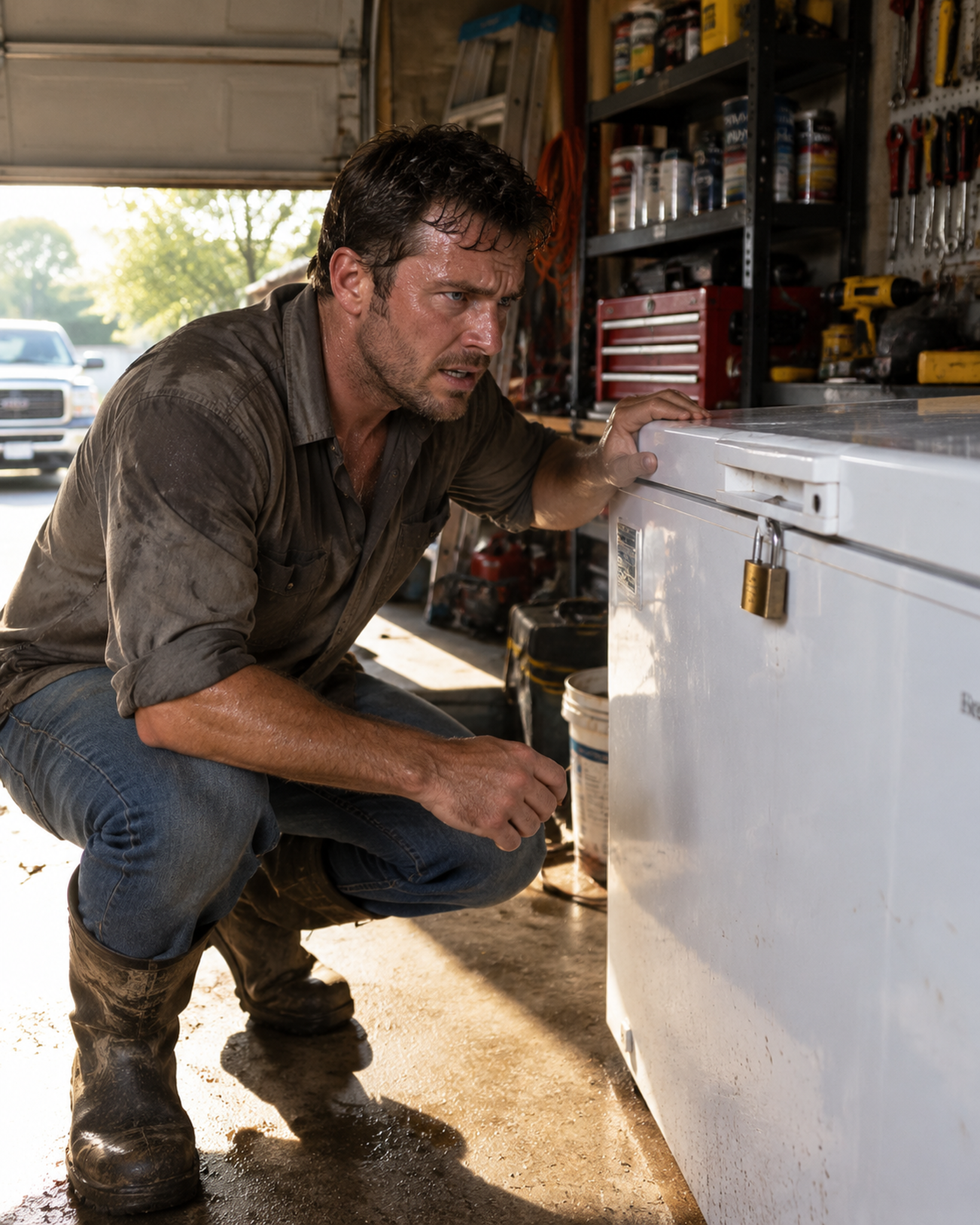
A 7-Year-Old Rode Seven Miles Through 96-Degree Heat to Find His Dad—Then Whispered What Grandma Had Done.
Part 1: A short table first, because it is the quietest thing in this story, and it decides everything. A...

The Wealthy Woman Warned Her Housekeeper to Stay Away From Her Son—Unaware of the Heartbreaking Secret Connecting Them.
Part 1: The sirens were the first thing Evelyn Carter remembered from that day. They sliced through the crisp October...
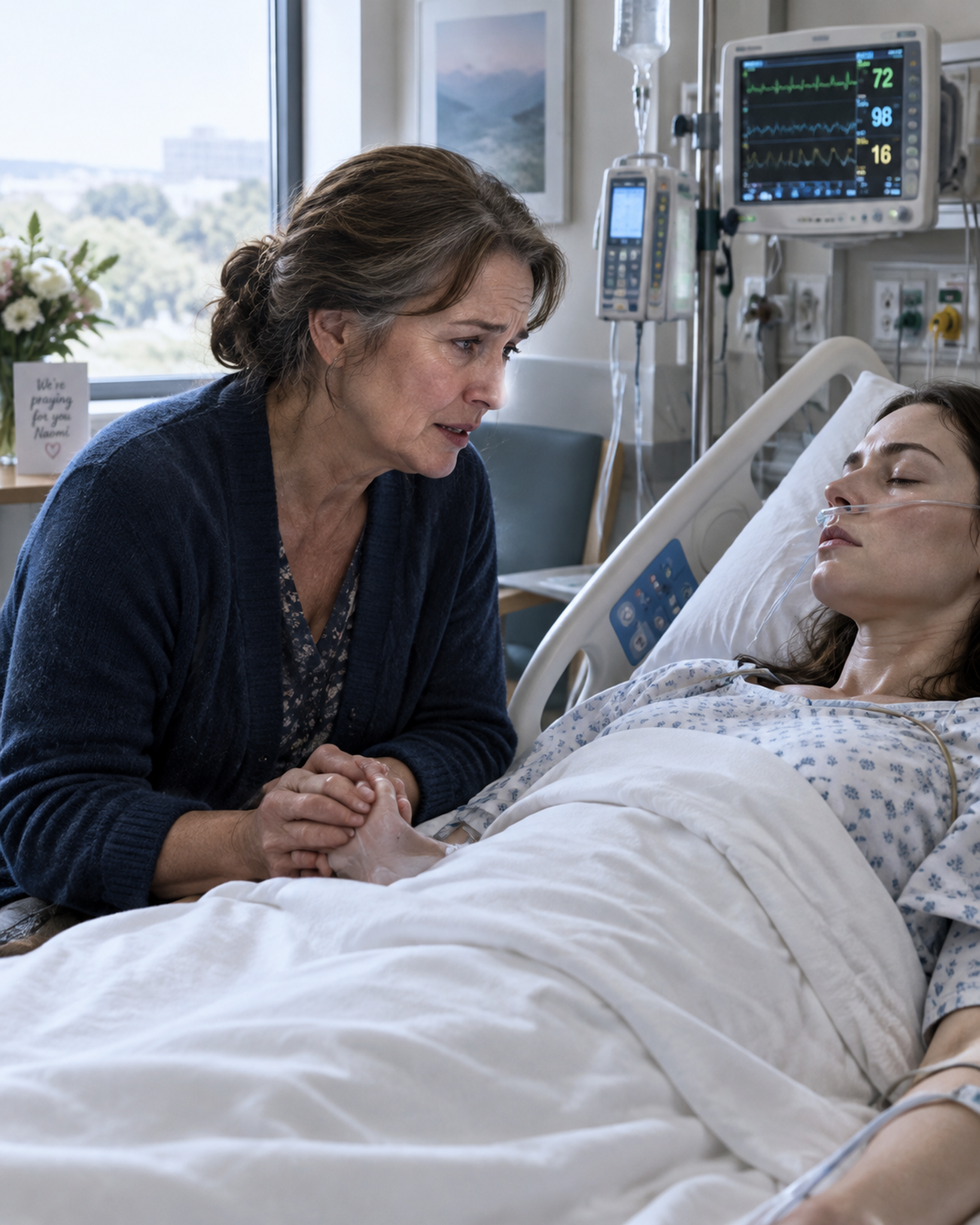
Her Abusive Husband Left Her in a Coma—Unaware Her Lost Military Brother Had Returned…
HER ABUSIVE HUSBAND LEFT HER IN A COMA—UNAWARE HER LOST MILITARY BROTHER HAD RETURNED For twenty-six days, Naomi Patterson lay...