MY PARENTS TOLD ME TO LET MY TWIN MARRY MY FIANCÉ—THEN SHE SHOWED UP IN MY WEDDING DRESS CLAIMING SHE WAS THE REAL BRIDE – Life Story
My mother asked me to give my fiancé to my twin sister over brunch.
Not break up with him.
Not introduce her to one of his friends.
Give him to her.
And when I laughed because I thought no sane parent could possibly be serious, my father leaned across the kitchen table and said, “You’ve always been better at starting over.
Your sister wouldn’t survive losing this opportunity.”
That was the moment I finally understood something I should have understood years earlier.
My parents had never raised two daughters.
They had raised one daughter they loved and one daughter they expected to sacrifice.
I was the sacrifice.
And apparently, even the man I loved was supposed to be hers if she wanted him badly enough.
My twin sister, Brianna, and I were identical enough that strangers confused us constantly when we were children.
Same dark brown hair.
Same hazel eyes.
Same height.
Same dimple in the left cheek.
Our mother loved telling people that even she sometimes mixed us up when we were babies.
By the time we were adults, though, nobody who really knew us confused us.
Brianna tilted her head when she lied.
I rubbed my thumb across my index finger when I was nervous.
She laughed loudly when she wanted attention.
I went quiet when I was angry.
She wore sweet perfume that smelled like vanilla.
I had worn the same citrus-and-cedar perfume since college.
There were hundreds of differences.
Owen knew every one of them.
My parents didn’t seem to understand that because, to them, we had always been interchangeable in exactly one direction.
Anything that belonged to me could become Brianna’s.
Never the other way around.
When we were eight, I saved allowance money for nearly six months to buy a red bicycle from the sporting goods store near our neighborhood.
Brianna cried because she wanted one too.
My parents couldn’t afford two.
So my father took my bicycle out of the garage the next morning and told me I should let Brianna use it because she “needed cheering up.”
I never got it back.
When we were twelve, I won a regional science competition.
My mother asked whether Brianna could stand beside me in the photographs because she had been having “a difficult month.”
When the pictures went into the local newspaper, my mother clipped one out and framed it.
Brianna was in the center.
At sixteen, I worked weekends at a grocery store.
Brianna refused to get a job because she said customers made her anxious.
My parents told me to split my paycheck with her.
At seventeen, I wrote her college application essay because my mother sat on the edge of my bed and said, “Please.
Your sister struggles with these things.
You’re good with words.”
I wrote the essay.
Then I filled out the financial aid forms.
Then I completed scholarship applications.
Then, when Brianna was accepted, my parents threw a party.
Nobody mentioned that I had been accepted to a better school two weeks earlier.
I couldn’t afford to go.
What I didn’t learn until much later was that money wasn’t the only reason.
For years, I believed my parents had simply been overwhelmed.
Brianna was emotionally fragile.
They worried about her.
They leaned too much on me because I was capable.
That was the story I told myself.
It hurt less than the truth.
I worked three jobs during my early twenties.
I opened a coffee shop at five in the morning, worked administrative shifts at a dental office three afternoons a week, and waited tables on weekends.
My parents still called me constantly.
Brianna forgot to pay a bill.
Could I handle it?
Brianna was upset.
Could I come over?
Brianna needed groceries.
Could I pick them up?
Brianna had an appointment.
Could I drive her?
“It’s good practice,” my father liked to say.
“For what?”
“For when your mother and I are gone.
You know your sister will need you.”
They spoke about my future as though it had already been assigned to me.
Then Owen Torres walked into the coffee shop where I worked the morning shift and ordered a black coffee with two sugars.
The first morning, I barely noticed him.
The second morning, he smiled and said, “You remembered.”
I looked at his cup.
“Black coffee, two sugars isn’t exactly a complicated medical history.”
He laughed.
He came back the next day.
And the next.
For almost two weeks, he appeared between and every morning.
Sometimes we talked for thirty seconds.
Sometimes five minutes.
I learned that he worked for a commercial engineering company three blocks away.
He learned that I hated getting up before sunrise but loved watching the city wake up from behind the front windows.
He told terrible jokes.
I pretended not to laugh.
Eventually, one Friday morning, he put a five-dollar bill into the tip jar, looked at me with the expression of a man about to jump off something tall, and said, “I’ve been coming here for twelve straight days, and I don’t even like the coffee that much.”
I stared at him.
He immediately panicked.
“I mean, the coffee is good.
Great, actually.
I just meant—”
“You’re doing amazing.”
He covered his face with one hand.
I laughed so hard my manager looked over from the espresso machine.
Owen lowered his hand.
“Would you let me take you to dinner?”
I should probably say I played it cool.
I didn’t.
I smiled so wide my cheeks hurt.
“Yes.”
Our first date lasted four hours.
We went to a little Italian restaurant where the tables were too close together and the waiter kept forgetting our water.
Neither of us cared.
Owen asked questions and actually listened to the answers.
That shouldn’t have felt extraordinary.
It did.
For most of my life, conversations with my family had been negotiations about what I could do for someone else.
Owen wanted to know what I wanted.
What music did I like?
Where would I travel if money didn’t matter?
What did I think I might do if I ever stopped working three jobs?
At one point he asked, “What would make you happy?”
I laughed.
Not because it was funny.
Because I genuinely didn’t know how to answer.
Nobody had asked me that before.
Six months later, I brought him home to meet my parents.
I almost canceled twice.
Owen already knew about Brianna.
Not every detail, but enough.
He knew my family depended on me too heavily.
He knew I had spent years feeling responsible for my twin.
He knew I dreaded going home because every visit became another obligation.
“I can handle awkward parents,” he told me in the car.
“You say that now.”
He squeezed my hand.
“Worst case, we leave early and get tacos.”
I smiled.
“Deal.”
But the evening wasn’t awkward.
It was perfect.
Suspiciously perfect, I realize now.
My mother hugged Owen the moment we entered.
My father opened a bottle of wine he’d apparently been saving for years.
Brianna came downstairs wearing a fitted blue dress I’d once told her looked amazing on her.
She hugged me.
Then she hugged Owen.
A little too long.
I noticed.
I ignored it.
“Wow,” she said, stepping back. “You did well.”
Owen laughed politely.
My mother swatted Brianna’s arm.
“Behave.”
“I am behaving.”
During dinner, Brianna asked Owen question after question.
Where had he gone to college?
Did he like sports?
What kind of movies did he watch?
Where was his office?
Did he go to the gym?
What restaurants did he like?
At the time, it felt like enthusiasm.
Later, I realized she had been collecting information.
After dinner, she insisted on giving Owen a tour of the house.
I followed them upstairs.
In the hallway, dozens of family photographs covered the walls.
Brianna stopped beside one from our high school graduation.
We were wearing the same caps, the same gowns, the same smiles.
“Bet you can’t tell which one is which,” she said.
Owen barely glanced at the picture.
“That one’s her.”
He pointed at me.
Brianna blinked.
“How do you know?”
“She does that thing with her mouth when she’s trying not to laugh.”
I stared at him.
Even I hadn’t noticed that.
Brianna smiled.
Then she pointed to another photograph from when we were eleven.
“What about this one?”
Owen studied it longer.
“You’re on the left.”
Her eyebrows rose.
He was right again.
“How?”
“She leans toward people she trusts.”
He pointed to the photograph.
“In that one, she’s leaning toward your grandmother.
You’re leaning toward the camera.”
Brianna’s expression changed for half a second.
Something sharp passed through it.
Then she laughed.
“That’s creepy.
You really study her.”
Owen grinned.
“I’m planning to marry her.
Seems useful to know what she looks like.”
Everyone laughed.
Brianna did too.
But I remember now that she didn’t look at him when she laughed.
She looked at me.
On the drive home, Owen was glowing.
“They like me.”
“Apparently.”
“Your dad called me son.”
“He was drinking expensive bourbon.”
“Still counts.”
I leaned against the passenger window, smiling.
For once, my family hadn’t embarrassed me, demanded anything from me, or made the evening about Brianna.
I let myself believe something had changed.
That night Owen and I stayed awake until almost two talking about the future.
A small wedding.
Maybe somewhere with trees instead of a hotel ballroom.
A honeymoon in Costa Rica if we could afford it.
A house someday.
Children someday.
A dog definitely.
I remember lying with my head on his chest and thinking that maybe my life was finally beginning.
The next morning my mother called.
“Come over for brunch.”
“Can Owen come?”
“No.
Family only.”
The answer came too quickly.
I hesitated.
“Is something wrong?”
“Of course not.
We just want to discuss wedding things.”
I went.
I wish I hadn’t.
The kitchen smelled like bacon and coffee when I arrived.
My mother had made a full brunch spread.
Eggs.
Fruit.
Toast.
Mimosas.
Nothing about the scene looked alarming.
Everything about the people did.
My father sat stiffly at the table.
Brianna stared into her orange juice.
My mother smiled too much.
I sat down slowly.
“Okay.
What’s going on?”
My mother poured orange juice into my glass.
“We’ve been talking.”
“That sentence never ends well.”
Nobody laughed.
My stomach tightened.
My mother sat across from me and folded her hands.
“We need you to hear us out before you react.”
“React to what?”
She looked at my father.
He nodded.
Then she said it.
“We think you should let Brianna take your place at the wedding.”
Silence.
I stared at her.
Then at my father.
Then at Brianna.
I actually laughed.
A little burst of disbelief escaped me.
“Okay.”
Nobody smiled.
My laugh died.
“You’re serious?”
My father leaned forward.
“Just listen.”
“No, I genuinely don’t understand the sentence.”
My mother spoke in the same soothing tone she’d used when I was ten and she wanted me to give Brianna one of my birthday presents.
“Your sister has always struggled more socially.”
Brianna’s eyes remained fixed on the table.
“She hasn’t had the opportunities you’ve had.”
“What opportunities?”
“Relationships.
Confidence.
Independence.”
I almost choked.
“Independence? I’ve been working since I was fifteen.”
“And you’ve always been stronger,” my father said.
There it was.
Stronger.
The word my family used whenever they wanted me to accept pain without complaint.
My mother continued.
“Owen is a wonderful man.
He’s stable.
Kind.
Successful.
Family-oriented.”
“Yes.
That’s why I’m marrying him.”
“Exactly.”
She smiled as if I had helped prove her point.
“Someone like Brianna may never meet a man like him.”
I stared at her.
“You cannot possibly be suggesting what I think you’re suggesting.”
Brianna finally looked up.
Her eyes were wet.
Mom reached for her hand.
My father said, “You two are identical.”
I stood so quickly my chair scraped backward.
“No.”
“You haven’t heard the whole plan.”
“There is no version of this plan that becomes normal if you explain it longer.”
My mother’s expression hardened.
“Sit down.”
“No.”
Brianna whispered, “Please.”
I looked at her.
She had tears running down her cheeks now.
“Please what?”
She swallowed.
“Just let them explain.”
My father exhaled impatiently.
“We would keep the wedding exactly as planned.
Same dress.
Same ceremony.
Same everything.”
I felt cold.
My mother picked up where he stopped.
“Brianna would walk down the aisle instead.”
I stared at them.
“And where would I be?”
Nobody answered immediately.
That was somehow worse.
My father said, “We’d make sure you weren’t there.”
My skin prickled.
“What does that mean?”
“It means we’d arrange things.”
“Arrange what?”
My mother waved a hand.
“Nothing dramatic.
We would create a reason for you to miss the ceremony.”
“And Owen?”
“He wouldn’t know until afterward,” my father said.
My mouth dropped open.
They were discussing fraud as if they were planning seating arrangements.
“You want my sister to trick Owen into marrying her.”
My mother frowned.
“Don’t use ugly language.”
“What language would you prefer?”
“This isn’t about tricking anyone.
This is about giving your sister a chance.”
“A chance to commit identity fraud?”
My father’s hand slammed down on the table.
“Enough.”
“No.
Not enough.”
I pointed at Brianna.
“You would actually do this?”
She looked at me with an expression so wounded it almost worked.
“I’m thirty years old.”
“So?”
“You have everything.”
“I work three jobs.”
“You have Owen.”
Her voice cracked.
“He looks at you like you’re the only person in the room.”
I stared at her.
She wiped her face.
“Nobody has ever looked at me like that.”
For one flicker of a second, I felt sorry for her.
Then she said, “You could find someone else.”
Whatever sympathy I had vanished.
“Excuse me?”
“You always do better than me.”
Her voice became faster, desperate.
“You’re smarter.
People like you.
Men notice you.
You could start over.”
“Start over?”
“You’d be okay.”
“You want me to hand you my fiancé because you think I’m resilient enough to survive losing him?”
She said nothing.
My mother interrupted.
“Your sister deserves happiness too.”
“So does Owen.”
My mother blinked.
I laughed bitterly.
“Did any of you even think about him?”
“We know he’d be good to Brianna.”
“That isn’t what I asked.”
“He already likes the family.”
“He loves me.”
My father scoffed.
“You’re identical.”
I looked at him.
That sentence hurt more than I expected.
Not because I believed it.
Because he did.
To my own father, every year of my life, every conversation, every private joke, every habit and fear and dream that made me a person could apparently be replaced by the same face.
“He would know,” I said.
My mother shook her head.
“Not immediately.”
“Yes, he would.”
“And if he didn’t?”
Brianna’s question stopped me.
She was looking directly at me now.
For the first time, I saw something under the tears.
Hope.
Not hope that I might agree.
Hope that Owen might actually fail to recognize me.
I stepped backward from the table.
“You’ve thought about this before today.”
Brianna looked away.
“Answer me.”
My mother stood.
“Don’t interrogate her.”
“How long?”
Nobody answered.
I grabbed my purse.
My father said, “If you walk out now, don’t expect us to keep pretending everything is fine.”
I turned toward him.
“Pretending?”
“You owe this family.”
My body went still.
He stood too.
“We fed you.
Raised you.
Gave you a home.”
“You’re describing the legal minimum of parenting.”
My mother’s face twisted.
“After everything we’ve sacrificed—”
“I’ve been paying my own bills since I was eighteen.”
“You lived under our roof.”
“Because every time I saved enough to leave, you found another emergency.”
Brianna started crying harder.
“Stop making this about you.”
I stared at her.
“This is literally about my wedding.”
My mother moved around the table.
“Please.
Just think about it.”
“I have.”
“For five minutes.”
“That was four minutes longer than necessary.”
She reached for my arm.
I stepped away.
Her hand fell.
Then my father said the sentence that ended whatever remained between us.
“If you leave this house refusing to help your sister, don’t come back as our daughter.”
The kitchen became completely silent.
I waited for my mother to object.
She didn’t.
I waited for Brianna to say this had gone too far.
She didn’t.
I nodded slowly.
“Okay.”
My father looked startled.
“What?”
“Okay.”
I opened the door.
“If being your daughter means giving Brianna everything she asks for until there’s nothing left of me, then I guess I’m done.”
My mother followed me to the porch.
“You are destroying this family.”
I turned around.
“No.
You’re finally asking for something too big to hide what this family already is.”
Then I left.
My phone began ringing before I reached Owen’s apartment.
Aunt Melissa.
Cousin Rachel.
Grandma.
Uncle Peter.
Numbers I hadn’t seen in months.
Messages followed.
Your mother is devastated.
Brianna is inconsolable.
You know how sensitive she is.
Family comes first.
Can’t you compromise?
One cousin actually wrote:
Your sister deserves happiness too.
It’s not like she asked for your house.
I stared at that message for several seconds.
Then I blocked the number.
Another relative wrote:
You’re twins.
Sharing has always been part of your bond.
I blocked that one too.
By the time I reached Owen’s apartment, my hands were shaking.
He opened the door before I knocked.
One look at me and his smile disappeared.
“What happened?”
I walked inside.
“Sit down.”
His face changed.
“Are you okay?”
“I don’t know.”
I told him everything.
Not quickly.
I couldn’t.
Every few sentences I had to stop because hearing the words aloud made them sound even more insane.
Owen barely spoke.
He sat across from me on the couch with both forearms resting on his knees.
When I told him they wanted Brianna to walk down the aisle pretending to be me, his jaw tightened.
When I told him they believed he wouldn’t know the difference, he looked offended in a way that almost made me laugh.
When I finished, he was quiet.
Then he said, “Your family thinks I’m stupid.”
A strangled laugh escaped me.
“That is your takeaway?”
“No.”
He moved beside me and took my hands.
“My real takeaway is that your parents have no idea who you are.”
My eyes burned.
He continued.
“And apparently they don’t know who I am either.”
“What do we do?”
“First?”
He kissed my forehead.
“We don’t let them anywhere near our wedding.”
That was when we decided to move it up.
Two weeks.
Only Owen’s family, a few close friends, and the vendors would know.
We changed the venue from the country club my mother knew about to a small historic chapel owned by a friend of Owen’s aunt.
We changed the florist.
We changed the photographer.
We told everyone the information was confidential because of “family complications.”
For eleven days, nothing happened.
No calls from my parents because I had blocked them.
No surprise visits.
No messages from Brianna.
I began sleeping again.
I started believing our plan had worked.
On the morning of the wedding, I woke up beside Owen at a.m.
We’d agreed on the superstition about not seeing each other before the ceremony, so he left early for his brother’s house.
Before he left, he kissed me in the kitchen.
“No matter what happens today,” he said, “at the end of it, I’m married to you.”
I smiled.
“That’s usually the idea.”
He touched my chin.
“I mean it.”
Something in his voice made my chest tighten.
Maybe he knew I was still afraid.
Maybe he was too.
By ten thirty, I was dressed.
Simple ivory gown.
Low back.
No giant train.
My hair pinned loosely.
My grandmother’s earrings, even though I hadn’t told her about the new date.
I almost didn’t wear them.
Then I decided the earrings didn’t belong to my family’s mistakes.
They belonged to me.
At noon, the chapel doors opened.
Music filled the room.
I stepped into the aisle.
And saw myself sitting in the front row.
Same dress.
Same hairstyle.
Same veil.
For several seconds, my brain refused to process it.
Then the woman turned.
Brianna.
My knees almost buckled.
She was sitting beside my parents.
My mother wore the blue dress she’d bought for the original ceremony.
My father wore his suit.
They had somehow found us.
Owen stood at the altar.
His expression shifted from happiness to confusion.
He looked at me.
Then at Brianna.
The music continued.
Every guest began turning toward the front row.
Brianna stood.
Slowly.
Like she had rehearsed it.
The officiant stopped speaking.
“I’m sorry,” he said. “Is there a problem?”
Brianna smiled.
Not nervously.
Triumphantly.
“Yes.”
She turned toward the room.
“There’s been a terrible mistake.”
My heart was pounding so hard I could hear it.
Then she said the sentence I will never forget.
“I’m the real bride.”
Gasps traveled through the chapel.
Owen’s mother stood up.
My father placed one hand behind Brianna’s back as if encouraging a nervous child onto a stage.
My mother nodded.
For one horrifying second, the room looked exactly like my parents had imagined it.
Two identical women in identical wedding dresses.
One groom.
One confused audience.
Brianna stepped into the aisle.
Owen came down from the altar.
“What the hell is happening?”
She smiled at him.
“Owen, I know this is confusing.”
He stopped several feet away.
She moved closer.
“It’s me.”
He frowned.
“What?”
“Your fiancée.”
She reached for his hand.
He jerked away immediately.
“Don’t touch me.”
Her smile cracked.
Only slightly.
My lungs finally started working again.
Owen looked past her.
Straight at me.
“Babe?”
One word.
That was all it took.
He knew.
He had known before she’d even touched him.
I walked forward.
My legs were shaking.
My mother stepped between us.
“You don’t understand.”
Owen’s head snapped toward her.
“I understand that there are two women wearing my fiancée’s wedding dress.”
My mother grabbed his arm.
“This is very complicated.
Our other daughter isn’t well.”
I froze.
Our other daughter.
Brianna lowered her eyes immediately.
Playing the part.
My mother continued.
“She’s been obsessed with her sister’s relationship.
We tried to prevent her from coming today.”
The room began murmuring.
For a second, I couldn’t speak.
The lie was too enormous.
Then something in me broke loose.
“That’s a lie.”
My voice echoed through the chapel.
Everyone turned.
I walked to the small microphone beside the officiant.
My hands shook as I took out my phone.
My mother said my name warningly.
I ignored her.
“If everyone is already here,” I said, “you should probably know why my identical twin is dressed like me.”
Brianna’s face drained.
I opened the folder where I had saved screenshots.
“This started when my parents asked me to give my fiancé to my sister.”
Someone near the back whispered, “What?”
I read my mother’s message aloud.
You need to reconsider this wedding.
Brianna needs Owen more than you do.
Then my father’s.
Your sister has fewer options than you.
Stop being selfish.
Then one from Brianna.
Please.
You know you’ll meet somebody else.
I might never have another chance like this.
My mother’s face went red.
“That was private.”
Owen’s mother laughed once.
A dangerous sound.
“Private?”
She walked into the aisle.
She was barely five feet tall, silver-haired, wearing a pale green dress.
I had never seen her angry.
“Your daughter is wearing my future daughter-in-law’s wedding dress and attempting to impersonate her in front of my son.”
My mother lifted her chin.
“You don’t understand our family.”
“I understand enough.”
Owen’s father stood beside his wife.
He was a broad-shouldered former college linebacker who almost never raised his voice.
He didn’t need to.
“Leave.”
My father stepped forward.
“You don’t tell me what to do.”
“This is not your ceremony anymore.”
The officiant removed his glasses.
“I have to agree.”
Brianna started crying.
“You’re all humiliating me.”
I stared at her.
“You came to my wedding dressed as me.”
“I just wanted a chance.”
“With my fiancé.”
“He could have loved me.”
Owen answered before I could.
“No.”
She turned toward him.
He didn’t soften.
“I have never been in love with you.”
“You don’t know me.”
“Exactly.”
The words hit her like a slap.
“I know her.”
He pointed to me.
“I know how she takes her coffee.
I know she hates when people chew ice.
I know she cries at documentaries about old dogs and pretends she doesn’t.
I know she counts stairs when she’s nervous.
I know she puts hot sauce on eggs but not potatoes for some reason.
I know when she’s angry because she goes quiet instead of yelling.”
Brianna’s mouth trembled.
Owen continued.
“And I know you’re not her.”
My mother said, “You’re embarrassing a vulnerable young woman.”
His mother stepped between them.
“No.
You did that when you taught her she was entitled to somebody else’s life.”
That ended it.
The officiant asked my parents and sister to leave.
They refused.
Owen’s father called chapel security.
Five minutes later, my parents were being escorted toward the exit.
Brianna turned back once.
Not at me.
At Owen.
The look on her face chilled me.
It wasn’t heartbreak.
It was possession.
As though something belonging to her had been unfairly taken away.
The ceremony never happened.
Not that day.
Too much had happened.
Guests were whispering.
My hands wouldn’t stop shaking.
Owen looked like he wanted to break something.
We apologized to everyone and left.
Two hours later, I was sitting on Owen’s couch in my wedding dress with my shoes kicked across the living room.
He returned from the kitchen carrying two beers.
“We don’t usually drink at two in the afternoon,” I said.
“We also don’t usually have someone attempt bridal identity theft before lunch.”
I laughed.
I didn’t mean to.
The sound exploded out of me.
Then I couldn’t stop.
Owen started laughing too.
Within seconds we were both sitting there in ruined wedding clothes laughing like lunatics.
Eventually mine turned into crying.
“I’m sorry.”
He immediately stopped laughing.
“For what?”
“All of it.”
“No.”
“I should’ve known they’d try something.”
“No.”
“I brought this into your life.”
He set his beer down.
“Look at me.”
I did.
“You did not cause this.”
I started to object.
He squeezed my hands.
“Your family made choices.
Brianna made choices.
You are not responsible for every terrible thing another adult chooses to do because she happens to share your DNA.”
His phone buzzed.
Then buzzed again.
He glanced down.
His face changed.
“What?”
He hesitated.
“Owen?”
He handed me the phone.
Unknown number.
A thread of messages stretched back weeks.
At first, harmless things.
Can we talk about the wedding later?
I’m feeling overwhelmed.
Do you ever worry we’re rushing?
Maybe we should postpone.
Then stranger ones.
Sometimes I wonder if you really know me.
Would you still love me if I changed?
What if there’s someone better for you?
My stomach tightened.
“I didn’t send these.”
“I know that now.”
I looked at him.
“Now?”
He rubbed his jaw.
“I thought you got a second number.”
“Why?”
“The messages knew things.”
“What things?”
“Our honeymoon ideas.
Your work schedule.
Stuff about your parents.”
Cold spread through me.
“How long?”
“About three weeks.”
I scrolled faster.
Some messages were sent at one in the morning.
Others while I had been physically sitting beside Owen.
“How did you not notice?”
“I assumed you had scheduled them or sent them earlier and they were delayed or—I don’t know.
Most weren’t obviously fake.”
He looked miserable.
“I thought you were having cold feet.”
Suddenly I remembered something.
Three weeks earlier, Owen had asked me whether I was sure I wanted a big ceremony.
A week later, he’d asked whether I needed more space.
I’d thought he was nervous.
He’d thought I was.
Someone had been quietly pushing us apart.
I stared at the phone.
“Brianna.”
Owen nodded.
The room went silent.
Then I said, “I need to know how far this goes.”
He already knew what I meant.
“No.”
“I still have a key to my parents’ house.”
“Absolutely not.”
“They’re probably still dealing with relatives.”
“That isn’t the point.”
“Owen.”
He stood.
“If you’re going, I’m going.”
Twenty minutes later, I had changed into jeans.
We parked half a block from my parents’ house.
Their cars were gone.
I used my key.
The house smelled like lavender candles and burnt coffee.
For a moment, I was eight years old again.
Then I saw the framed family picture in the hallway.
Brianna in the center.
Me half-cropped at the edge.
I kept walking.
Her bedroom looked almost exactly as it had ten years earlier.
Clothes on the chair.
Makeup covering the dresser.
Old concert posters still taped to the wall.
On the desk sat a leather-bound journal.
Owen remained in the doorway.
“I don’t love the diary part.”
“Neither do I.”
I opened it anyway.
The most recent entry was six days old.
Owen came to the coffee shop today.
My stomach dropped.
I read aloud.
He didn’t recognize me at first because I wore her perfume and styled my hair like hers.
He smiled the way he smiles at her.
I could feel how easy this could be if she would stop fighting me.
Owen stepped closer.
“What coffee shop?”
I kept reading.
I’ve been going near his office every Tuesday.
Sometimes I see him at lunch.
I wave from across the street so he thinks it’s her.
I’m teaching him to see me as her before the wedding.
Owen’s face went pale.
I flipped backward.
Another entry.
I got a new number today.
I’ll start small.
Normal messages.
Wedding stress.
Then I’ll make him question whether she really wants him.
If he’s already uncertain when we switch, maybe he’ll accept me faster.
Another page.
Mom thinks we only need to keep her away from the ceremony.
Dad says once vows are exchanged, she’ll eventually accept reality.
They don’t understand that Owen needs to be emotionally prepared too.
I stopped breathing.
“She was planning this before they even asked me.”
Owen took the journal.
He read silently.
Then his expression changed.
“What?”
He didn’t answer.
“Owen.”
He held the page toward me.
There, in Brianna’s handwriting, was a paragraph that made my blood run cold.
If she refuses, I can make sure she’s too sick to go.
She always gets coffee from the same place the morning of important days.
If something harmless makes her sleep through the ceremony, nobody gets hurt.
By the time she wakes up, it’ll already be done.
I sat on the bed.
“Oh my God.”
Owen crouched in front of me.
“We’re leaving.”
“Wait.”
“No.”
“There might be more.”
“There is already enough.”
But I saw her laptop.
No password.
Brianna had never been careful with technology because my parents had spent her entire life protecting her from consequences.
I opened her messages.
Fake accounts.
Several of them.
Different names.
Different profile pictures.
All contacting Owen.
One account pretending to be a blonde woman had sent him flirtatious messages.
Another had tried to lure him into drinks.
Owen shook his head.
“I blocked that account.”
I kept scrolling.
Then I found screenshots sent to my friends.
Fabricated conversations making it appear Owen was flirting back.
I called Jenna, my closest friend.
She answered immediately.
“Please tell me you’re okay.”
“Did Brianna ever send you screenshots of Owen talking to other women?”
Silence.
Then, “Yes.”
“When?”
“Maybe two months ago.”
“Why didn’t you tell me?”
“Because they looked fake.”
She lowered her voice.
“I thought somebody was trying to mess with you.”
“Somebody was.”
I explained.
Jenna swore softly.
Then Owen, standing beside me, whispered, “What’s that?”
A spreadsheet was open in another tab.
Dates.
Times.
Locations.
His work.
His gym.
His lunch spots.
My apartment.
My old jobs.
Brianna had built a schedule around our lives.
She had been following him.
Following me.
I took photographs of everything.
The journal.
The computer.
The messages.
The fake profiles.
The schedule.
Then we heard the front door open.
My mother’s voice floated up the stairs.
“Hello?”
Owen grabbed my hand.
We went out through the back door.
I carried the journal.
Maybe I shouldn’t have taken it.
I didn’t care.
That night, I didn’t sleep.
At four in the morning, I was still staring at the ceiling.
Owen rolled toward me.
“You awake?”
“Yes.”
“Me too.”
I turned my head.
“Do you think she would have actually done it?”
“The coffee?”
I nodded.
He was quiet too long.
“Yes.”
That answer hurt more than reassurance would have.
Because I thought so too.
By sunrise, I had made a decision.
“I’m going back.”
Owen sat up.
“No.”
“I need them to admit what they knew.”
“Why?”
“Because half my family thinks I’m cruel.”
“Who cares?”
“I do.”
I sat up.
“Not because I need them to like me.
I need the truth outside that house.
For once, I need my parents to hear themselves say what they’ve done.”
He studied me.
“You’re recording it.”
“Yes.”
“And you’re not going alone.”
“I need them to talk freely.”
He hated it.
So did I.
Eventually we compromised.
Owen would remain parked nearby.
I would keep my phone recording.
If I didn’t text him every ten minutes, he would come inside.
When I arrived, Brianna answered the door.
Her eyes were swollen.
She looked at me.
Then at the journal in my hand.
Her entire face changed.
“You went into my room.”
“Get Mom and Dad.”
“You stole my diary.”
“Get them.”
My parents were drinking coffee in the kitchen.
Again.
As if our lives only collapsed over breakfast.
I placed the journal on the table.
Then my phone beside it, screen down, recording.
My mother stared at the journal.
“What is this?”
“You know what it is.”
Brianna rushed into the room.
“She broke into my room.”
“I used the key you gave me.”
“That doesn’t give you permission.”
I laughed.
“Interesting time for this family to discover boundaries.”
My father rubbed his forehead.
“What do you want?”
“The truth.”
I opened the journal.
“Brianna has been stalking Owen.”
My mother’s eyes flicked toward her.
“She created burner numbers and pretended to be me.
She created fake social media accounts.
She followed him to work.
She tracked his schedule.”
My father looked at Brianna.
“Is that true?”
She crossed her arms.
“She’s exaggerating.”
I read an entry aloud.
Her face crumpled.
Then I read the one about making me sick on the wedding morning.
My father went gray.
“Brianna.”
She started crying.
“Tell me you didn’t write that.”
“I wasn’t going to hurt her.”
“You wrote about putting something in her coffee.”
“Just enough to make her sleep.”
My father stared at her.
For the first time in my life, he looked at Brianna with something other than protection.
Horror.
My mother whispered, “We didn’t know about that.”
I turned toward her.
“You knew she planned to impersonate me.”
“We thought—”
“You knew.”
My father interrupted.
“We never agreed to drugging you.”
“How comforting.”
Brianna suddenly screamed, “I was desperate!”
I looked at her.
She shoved her chair backward.
“You don’t understand what it’s like.”
“What what is like?”
“Being second to you.”
I almost laughed.
“Second?”
“Yes!”
She slapped both hands against the table.
“You were smarter.
Teachers liked you.
You had friends.
You could work.
You could live by yourself.”
“I had to.”
“You got into college.”
“So did you.
I filled out your application.”
Her mouth opened.
I kept going.
“You could have worked.”
“I have anxiety.”
“So do millions of people.”
“You always make everything sound easy.”
“Nothing was easy.”
My voice cracked.
“I worked until my feet bled while you slept until noon.
I missed college because I couldn’t afford it.
I postponed moving out three times because Mom called saying you were having a crisis.
I paid bills you forgot.
I did your paperwork.
I drove you everywhere.”
“You liked being the responsible one.”
That stunned me.
“Is that what you tell yourself?”
My mother tried to intervene.
“Enough.”
“No.”
I looked at Brianna.
“You called my employers, didn’t you?”
The room froze.
She looked away.
My father frowned.
“What is she talking about?”
I had spent the previous night thinking through every strange thing that had happened in my twenties.
The café where my manager suddenly asked whether I was “having issues.”
The office job where someone had reported that I was stealing.
The landlord who abruptly refused to renew my lease after speaking with “a family member.”
I had always assumed I was unlucky.
Now I knew better.
“Did you call my jobs?”
Brianna said nothing.
“Answer me.”
My mother’s face went pale.
“Brianna?”
Finally she whispered, “Sometimes.”
My father stood.
“What?”
“She was leaving.”
Brianna looked at our parents.
“She was always talking about moving away.
If she got promoted or saved money, she’d leave.”
My stomach turned.
“So you sabotaged me.”
“You always recovered!”
The sentence exploded from her.
“You always got another job.
You always figured things out.
I knew you would.”
I stared at her.
There it was again.
My resilience used as permission to hurt me.
My mother began crying.
“We didn’t know.”
I looked at her.
“Maybe not about the jobs.”
I tapped the journal.
“But you knew enough.”
My father sat heavily.
I asked, “Did you ever interfere with my college mail?”
He went still.
That was answer enough.
My chest tightened.
“What did you do?”
My mother sobbed.
“Your father thought if you went out of state—”
“What did you do?”
“We hid some letters.”
The room tilted.
“What letters?”
“Scholarships.”
I gripped the edge of the table.
My father said, “We needed you nearby.”
My entire twenties suddenly rearranged themselves in my memory.
Every closed door.
Every mysterious setback.
Every time I’d wondered why life seemed so much harder for me than everyone else.
It hadn’t all been bad luck.
Some of it had been engineered.
“Why?”
My voice was barely audible.
My father looked at me.
And finally told me the truth.
“Because we needed you to take care of your sister.”
I looked at my mother.
She covered her face.
He continued.
“We knew if you became completely independent, you’d build your own life.”
“You mean leave.”
“Yes.”
“And you couldn’t let that happen.”
“We didn’t know what would happen to Brianna.”
My eyes burned.
“So you kept me poor.”
Nobody answered.
“You sabotaged my education.”
Silence.
“My housing.”
My mother whispered, “Once.”
“My jobs.”
Brianna looked down.
“My relationships?”
My mother’s face told me enough.
A sound left my throat that I barely recognized.
I picked up my phone.
The recording timer glowed.
My father saw it.
“What are you doing?”
“Making sure I’m never called a liar again.”
My mother rushed toward me.
I stepped back.
“Don’t.”
“You recorded us?”
“Yes.”
“You had no right.”
I almost smiled.
“You’ve spent twelve years deciding what rights I have.”
Brianna stared at the phone.
Fear entered her face.
“Delete it.”
“No.”
“Delete it!”
She lunged across the table.
My father caught her around the waist.
She screamed.
“You ruin everything!”
I kept the phone pointed at her.
“Say it again.”
“I hate you!”
“Keep going.”
“You took him!”
“Owen was never yours.”
“He should have been!”
My mother cried, “Stop!”
Brianna fought against my father’s grip.
“You always get everything! Everything that should be mine!”
I stared at my twin.
Same eyes.
Same face.
A stranger.
I stopped the recording.
Then I immediately emailed it to myself.
Uploaded it to cloud storage.
Sent it to Jenna.
I looked at my parents.
“If anything happens to me, that recording goes everywhere.”
My father looked exhausted.
“Don’t do this.”
“You did this.”
“We made mistakes.”
“No.”
I shook my head.
“A mistake is forgetting a birthday.
You designed my life around keeping me trapped.”
My mother reached toward me.
“We can fix this.”
“You can’t give me back ten years.”
“We’re still your parents.”
“Not anymore.”
Brianna cried harder.
I looked at her.
“If you contact Owen again, follow him again, impersonate me again, come near our home, or create another fake account, I’m taking everything to the police.”
Her face hardened.
“You wouldn’t.”
“I would.”
“You’d have your own sister arrested?”
“If that’s what keeps us safe.”
My mother gasped.
“You don’t do that to family.”
I met her eyes.
“You stopped being my family when you decided I was inventory.”
Then I left.
I sent the recording to every relative who had called me selfish.
No explanation.
Just one sentence.
This is what you were defending.
My grandmother called first.
She was crying.
“I didn’t know.”
“I know.”
“No, sweetheart, I should have known.”
I closed my eyes.
“You believed them.”
“I did.”
“They’re good at making Brianna look helpless.”
Grandma was quiet.
Then she said, “I’m sorry.”
It was the first apology anyone in my family had ever given me without adding a reason why I should forgive them immediately.
Other calls came.
Aunts.
Cousins.
Family friends.
Some apologized.
Some tried to minimize.
I asked each person the same question.
“If your sibling demanded your husband or wife, would you hand them over?”
That usually ended the argument.
I eventually posted part of the recording publicly.
Not everything.
Enough.
My parents accused me of humiliating them.
Brianna claimed I was harassing her.
Two days later, she went to the courthouse seeking a protective order against me.
That backfired spectacularly.
According to what I later learned, when she provided identification, the clerk discovered an existing fraud flag tied to her name.
Weeks earlier, Brianna had apparently tried to begin an application using my personal information.
My birth date.
My previous address.
Even part of my Social Security information.
The attempt had triggered a review.
Now the woman trying to obtain a protective order against me was standing in a courthouse while records suggested she had been attempting to impersonate me.
The petition wasn’t simply rubber-stamped.
Law enforcement became involved.
I received a call later that afternoon.
An investigator asked whether I was willing to make a statement regarding possible identity fraud.
I said yes.
Owen sat beside me while I did.
I handed over screenshots.
Messages.
The journal entries.
My parents’ recording.
Everything.
The detective looked at the stack of material and said, “You’ve been documenting this well.”
“I didn’t know I was documenting a crime.”
He didn’t smile.
“You may have been documenting several.”
Owen and I stopped waiting for the perfect wedding.
The following week, we went to city hall.
His parents came.
His brother came.
Jenna came carrying flowers she had bought from a grocery store because every florist was booked.
I wore a cream dress that cost eighty dollars.
Owen wore the suit from our ruined ceremony.
When the clerk asked whether I took Owen as my husband, I started crying.
Not graceful bridal tears.
Actual crying.
Owen smiled.
“I’m hoping those are good tears.”
“They’re exhausted tears.”
Everyone laughed.
I said yes.
He said yes.
We walked out married.
No impersonators.
No screaming.
No parents telling me whom I owed.
Just us.
His mother took a picture on the courthouse steps.
Owen had one hand around my waist.
I was laughing at something his father had said.
That photograph became my favorite because I wasn’t posing.
I looked free.
Brianna did not take our marriage well.
The emails began almost immediately.
Owen’s personal email.
His work account.
Accounts with names similar to mine.
Accounts pretending to belong to coworkers.
Some messages pleaded.
Some insulted.
Some claimed I was abusive.
One said:
You married the wrong sister.
Another said:
You can still fix this.
Owen forwarded everything to the detective.
His company’s IT department blocked addresses as quickly as she created them.
Then she started appearing at his office.
The first time, security told her to leave.
The second time, they escorted her out.
The third time, police were called.
A formal trespass notice followed.
She was banned from the property.
Around that time, Owen and I moved.
New apartment.
New phone numbers.
Private social media.
We stopped posting locations.
For a few weeks, our lives became quiet.
Then at eleven o’clock on a Tuesday night, someone pounded on our apartment door.
I froze in bed.
Owen sat up.
Another pounding.
My father’s voice.
“Open this door!”
Every muscle in my body locked.
“How did they find us?”
“I don’t know.”
Owen grabbed his phone.
He called building security.
My mother shouted from the hallway.
“We just want to talk!”
I moved toward the door.
Owen caught my wrist.
“Don’t open it.”
I didn’t.
Security arrived within minutes.
We watched through the peephole.
My father argued that he had a right to see his daughter.
The security officer calmly said, “She doesn’t want contact with you.”
“I’m her father.”
“That does not give you a right to enter her residence.”
My mother started crying.
“This family has suffered enough.”
I almost opened the door then.
Not because I wanted to reconcile.
Because I wanted to ask her who she thought had caused the suffering.
Instead, I kept recording.
Security gave them a choice.
Leave or be cited for trespassing.
They left.
The next morning our building manager helped us file formal documentation barring them from the property.
My father sent one last message from a new number.
Your sister’s health insurance is becoming expensive.
If you refuse to help this family, don’t blame us for what happens to her.
I stared at the message.
Even then.
Even after everything.
They were still searching for a lever.
I forwarded it to my grandmother.
She called an hour later.
“I’ve handled the insurance situation.”
“You don’t have to.”
“Yes, I do.”
She sounded furious.
“They are not going to threaten one daughter with the wellbeing of the other.”
That was when Grandma really began seeing them clearly.
Life settled into a strange rhythm after that.
Work.
Dinner.
Therapy.
Security cameras.
Checking mirrors when we drove home.
Changing grocery stores occasionally.
Trying to act normal while constantly wondering whether Brianna was watching.
One afternoon, an old coworker named Becca called.
“Your sister came into the restaurant.”
My stomach clenched.
“What did she want?”
“Your schedule.”
“I don’t work there anymore.”
“I told her that.”
Becca lowered her voice.
“She kept asking what your old schedule was.
Which days you opened.
What time you left.”
“What did you say?”
“That I didn’t remember.”
“Thank you.”
“I did remember,” she admitted. “I just got a bad feeling.”
After that, Owen asked me to vary my routes.
He started walking me to my car at night.
I hated it.
Not him protecting me.
I hated that Brianna had transformed ordinary life into a security exercise.
Then came the incident that finally forced the authorities to treat her behavior as a sustained campaign instead of a bizarre family dispute.
Owen called me from work.
His voice was tight.
“She’s here.”
I stood up from my desk.
“Inside?”
“She got through a side entrance.”
“How?”
“Followed employees through the badge doors.”
“What is she doing?”
“Security has her in the lobby.”
I should have stayed where I was.
Every sensible part of me knew that.
Instead, I drove there.
By the time I arrived, two police cruisers were outside.
I entered through the main lobby.
Brianna was screaming.
“He belongs with me!”
Two security guards stood between her and the elevators.
Owen was near reception with his boss.
The second he saw me, he came toward me.
“You shouldn’t be here.”
“I know.”
Brianna saw me.
Her expression changed instantly.
“You.”
The guards grabbed her as she moved forward.
“This is your fault!”
People had emerged from offices.
Everyone was watching.
She pointed at me.
“You stole him!”
Owen stepped in front of me.
“No.”
Brianna’s attention snapped toward him.
He walked closer, stopping behind the security line.
His voice was quiet.
“I need you to hear me.”
She became still.
“I have never dated you.”
Her eyes filled.
“I have never been in a relationship with you.”
“Owen—”
“I never promised you anything.”
“You would if she’d let you.”
“No.”
His voice hardened.
“There is no version of my life where you replace my wife.”
She shook her head violently.
“You don’t know me.”
“I don’t want to.”
That destroyed whatever control she had left.
She collapsed into sobs.
Security began escorting her toward the exit.
She fought them.
Police intervened.
Statements were taken.
Security footage was preserved.
The detective assigned to the earlier complaints now had documented workplace trespassing, repeated electronic harassment, identity impersonation attempts, and a history of following both of us.
The case moved quickly after that.
Brianna was charged.
Not with every terrible thing she had ever done.
Real cases don’t work that neatly.
But enough.
Stalking.
Harassment.
Trespassing.
Identity-related offenses tied to the attempts to use my personal information.
The prosecutor also reviewed the journal entry about drugging me, although because no drugging had actually occurred, the legal path there was more complicated.
It still mattered.
It showed intent.
Planning.
Escalation.
My parents blamed me.
Of course they did.
The morning after Brianna was arrested, my father called from another number.
“This is your fault.”
I almost hung up immediately.
Instead, I said, “Explain that.”
“She is in jail because you wouldn’t do the right thing.”
“The right thing was handing her my husband?”
“We asked you to make one sacrifice.”
“One?”
The word came out as a laugh.
“You sabotaged my education.
My jobs.
My housing.
My independence.
Then you asked me to surrender the person I loved.”
“Family sacrifices.”
“No, Dad.”
I felt something in me finally become calm.
“Parents sacrifice for children.
You sacrificed one child to another.”
He said nothing.
I continued.
“Brianna isn’t in trouble because I refused to give her Owen.
She’s in trouble because she stalked him.”
“You could drop everything.”
“I can’t erase security footage.”
“You could refuse to cooperate.”
“I won’t.”
“If you do this, you’re dead to us.”
I looked around the apartment I shared with my husband.
Our wedding picture stood on a shelf.
The city was bright outside the windows.
For the first time, his threat meant nothing.
“I’ve been dead to you for years,” I said. “You just kept using the body.”
Then I hung up.
Brianna eventually accepted a plea agreement.
She received probation with strict no-contact conditions, mandatory treatment, and orders keeping her away from Owen and me.
My parents weren’t magically added to her criminal sentence, but using the recording, messages, and the apartment incident, our attorney helped us obtain a separate civil protective order limiting their contact too.
It wasn’t the dramatic courtroom victory people imagine.
No judge slammed a gavel and gave a speech about justice.
It was paperwork.
Evidence.
Hearings.
Waiting rooms.
Lawyers.
Dates.
Security procedures.
And one enormous relief when the order became official.
For several months, life finally quieted.
Owen received a promotion.
We adopted a dog named Murphy, a ridiculous golden retriever who ate one of Owen’s shoes during his first week.
We started looking at houses.
We went to therapy separately and together.
Not because our marriage was failing.
Because surviving chaos doesn’t mean your nervous system automatically understands that the chaos is over.
Sometimes I woke at two in the morning because I thought someone was pounding on the door.
Owen would wake too.
He never told me I was being ridiculous.
He would check the locks.
Then come back to bed.
“Safe?”
I’d ask.
“Safe.”
Most nights, eventually, I believed him.
Then Brianna violated the order.
And everything became worse.
I was bringing Owen lunch one afternoon when I heard shouting outside his office building.
Security guards were escorting someone toward the sidewalk.
At first, all I saw was a woman in a dark green dress.
Then she turned.
My dress.
Not literally the one I owned now.
One I’d left at my parents’ house years earlier.
Her hair was styled like mine.
Same length.
Same side part.
She was wearing shoes nearly identical to a pair I owned.
My stomach dropped.
“Owen!”
She screamed toward the building.
“Owen, please!”
I stopped moving.
One of the guards recognized me.
“Mrs.
Torres, go inside.”
Brianna heard my name.
Her head snapped around.
For one moment, her face was empty.
Then rage flooded it.
“You!”
She tried to run toward me.
Security stopped her.
“Get off me!”
The doors behind me burst open.
Owen ran outside, tie loose, face pale.
“Get inside.”
But then Brianna screamed something none of us expected.
“They took my baby!”
Everything stopped.
I stared at her.
“What?”
She started sobbing.
“CPS took my baby and it’s your fault!”
I couldn’t process the sentence.
“You have a baby?”
“Yes!”
She laughed and cried at the same time.
“Yes, I have a daughter.
Had a daughter.
They took her because of you.”
Police arrived minutes later.
Brianna kept shouting.
“You told them I was unstable!”
“I didn’t even know you had a child.”
“Liar!”
“I swear to you.”
She tried to pull free again.
One officer warned her she was violating the protective order.
Another asked me to move farther away.
Brianna screamed over them.
“You told them about Owen! You ruined everything! Her father left because of you.
CPS took her because of you!”
I felt as if the parking lot had tilted beneath me.
My twin had carried a pregnancy.
Given birth.
Had a daughter.
And nobody had told me.
The officers arrested her for violating the order and trespassing.
As she was taken away, she twisted in the back seat of the police car so she could keep staring at me through the window.
That look followed me home.
That night I called Grandma.
“Did you know Brianna has a daughter?”
Silence.
I knew immediately.
“Yes.”
I closed my eyes.
“Why didn’t you tell me?”
“Your parents asked everyone not to.”
“Why?”
“They said it would upset you.”
I laughed bitterly.
“I’m not the one who tried to steal someone’s husband.”
Grandma sighed.
“There’s more.”
I sat down.
“What?”
“Brianna hasn’t been doing well.”
“How not well?”
“Drinking.
Maybe drugs.
Missing treatment.”
My stomach tightened.
“And the baby?”
“Your parents were helping.”
“Helping how?”
“Covering.”
That single word told me enough.
Grandma continued.
“A neighbor called child services after finding the baby alone.”
I gripped the phone.
“Alone?”
“Apparently Brianna left the apartment.
The neighbor heard crying for a long time.”
“Oh God.”
“When they investigated, they found more problems.”
“What problems?”
Grandma hesitated.
“Alcohol.
Drug paraphernalia.
Missed pediatric appointments.”
I swallowed.
“And something about Owen.”
My entire body went cold.
“What about Owen?”
“She had photographs.”
“What photographs?”
“Pictures of him.”
Grandma sounded ashamed to even say it.
“Lots of them.”
I stared across the room at my husband.
He was watching me from the kitchen.
“She told people he was the baby’s father?”
“Not officially.”
Grandma’s voice dropped.
“But she apparently talked about him constantly.
Told the baby stories about ‘Daddy Owen.’”
I felt sick.
Owen saw my face and came over.
I put the call on speaker.
Grandma explained what she knew.
Brianna had met a man online months after her first court case.
The relationship had moved quickly.
She became pregnant.
The father later discovered the history involving Owen and left the relationship.
Whether he had remained involved with the baby afterward wasn’t entirely clear.
My parents stepped in.
They helped with money.
Housing.
Childcare.
And, as always, denial.
Instead of forcing Brianna to comply consistently with treatment, they concealed problems.
They babysat when she disappeared.
They lied about missed appointments.
They cleaned the apartment before visits.
They kept pretending things were manageable.
Until they weren’t.
Eventually, a neighbor found the baby alone.
CPS investigated.
The child was removed temporarily.
Brianna decided I had orchestrated the whole thing.
Of course she did.
Everything bad in her life had to be mine.
Otherwise she would have to examine her own choices.
After I hung up, I cried.
Not for Brianna.
For a baby I’d never met.
“My niece is in foster care.”
Owen sat beside me.
“Yes.”
“Should we do something?”
He knew what I meant.
He looked down at our joined hands.
“We need to think carefully.”
“She’s family.”
“I know.”
“What if nobody takes her?”
“Your grandmother might.”
“She’s getting older.”
“I know.”
I turned toward him.
“Could we?”
He was silent.
I pulled my hand away slightly.
“You don’t want to.”
“That isn’t what I said.”
“Then what are you saying?”
He took a breath.
“If we seek custody, your sister will see it as us taking another thing from her.”
“She already thinks that.”
“Yes, but this would connect us to her permanently.”
“So we just ignore a baby?”
“No.”
His voice remained calm.
“We help make sure she’s safe.
That doesn’t automatically mean she has to live with us.”
I knew he was right.
I hated that he was right.
Because the strongest instinct in me was the same instinct my family had exploited for years.
Fix it.
Save everyone.
Take responsibility.
Owen touched my cheek.
“You spent your whole life being told that every family emergency belongs to you.”
I looked away.
“This one involves a baby.”
“Yes.”
“And we should help.”
“Yes.”
“But helping doesn’t always mean becoming responsible for everything.”
That sentence became important later.
Grandma applied for kinship placement.
I paid for an attorney.
Owen and I helped with baby furniture, home modifications, supplies, background checks—whatever Grandma needed.
Quietly.
I didn’t meet the baby.
Not yet.
We didn’t want to inflame the situation while Brianna was unstable.
Then she discovered I was helping financially.
She started calling Grandma constantly.
“You’re stealing my daughter for her!”
Grandma finally blocked her.
Brianna’s probation violations accumulated.
Missed treatment.
Contact attempts.
The office incident.
Substance-related issues.
She was taken back into custody while the family court process continued.
The custody hearing was brutal.
I did not attend.
Grandma did.
She called afterward.
Her voice shook.
“They placed Isabella with me.”
“Isabella?”
“That’s her name.”
Something about hearing the name made the baby suddenly real in a way she hadn’t been before.
Isabella.
My niece.
A person.
Not another piece in Brianna’s war.
“Can I meet her?”
Grandma was quiet.
Then she said, “Yes.”
We met at a park thirty miles away.
Grandma pushed a stroller beneath a row of maple trees.
I saw the baby before she saw me.
Dark hair.
Round cheeks.
Huge brown-hazel eyes.
She stared at me with the solemn suspicion babies reserve for unfamiliar adults.
I crouched beside the stroller.
“Hi, Isabella.”
She blinked.
Then grabbed my finger.
That was it.
I started crying.
Grandma laughed softly.
“She does that.”
“She has Brianna’s eyes.”
“She has your eyes too.”
That hurt.
Not badly.
Just deeply.
I held Isabella for nearly an hour.
She smelled like baby shampoo and crackers.
She fell asleep against my chest.
I looked down at her and thought about all the things she would never know if we were lucky.
She would never know that her mother had once believed love could be stolen.
She would never know that adults had fought over people like possessions.
She would never know that she had been born into a family where sacrifice had always flowed in one direction.
At least, I hoped she wouldn’t.
I bought her a teddy bear from a small shop near the park.
Then I went home.
I did not tell Brianna.
For the next year, Owen and I built a life so ordinary it felt miraculous.
We bought a house in the suburbs.
Nothing enormous.
Three bedrooms.
A yard for Murphy.
A kitchen with windows over the sink.
The first night there, we ate pizza on the floor because our furniture hadn’t arrived.
Owen raised his paper cup.
“To boring.”
I touched mine to his.
“To incredibly boring.”
We held another wedding ceremony several months later.
A real celebration this time.
Not because city hall hadn’t counted.
It counted.
But because I wanted one memory of walking down an aisle without wondering whether my twin would stand up and claim to be me.
Owen’s parents sat in the front row.
Grandma came.
Jenna cried more than anyone.
We invited very few people from my side of the family.
The people who had truly apologized.
The people who had respected our boundaries.
Before I walked down the aisle, I stood behind the doors with Grandma.
She squeezed my hand.
“You ready?”
I looked through the narrow opening.
Owen stood at the altar.
He saw me.
Even from thirty feet away, I watched his face change.
The same expression he had always had when I walked into a room.
Recognition.
Not of my face.
Of me.
“Yes,” I said.
This time the ceremony finished.
Afterward, Owen whispered during our first dance, “For the record, I still would’ve known.”
I laughed.
“You’re going to hold onto that forever, aren’t you?”
“Absolutely.”
We began talking about having a child.
Quietly.
Privately.
No extended-family announcement.
No social media countdown.
When I found out I was pregnant, I stared at the test for almost five minutes before I called Owen into the bathroom.
He looked at the test.
Then at me.
“Is that—”
“Yes.”
He sat down on the closed toilet lid.
I laughed.
“Are you okay?”
“No.”
His eyes filled with tears.
“Yes.”
Then he stood and hugged me so carefully that I laughed again.
Our daughter was born eight months later.
Grace.
We chose the name because it felt like something we had been given after years of surviving what we shouldn’t have had to survive.
Grace was loud.
Healthy.
Furious whenever anyone took too long warming her bottle.
Owen became the father I knew he would be.
He could calm her by walking circles around the living room humming songs completely off-key.
Sometimes I watched him holding our daughter and remembered my parents saying Brianna “needed Owen more.”
As if love could be assigned by committee.
As if happiness were a family resource to redistribute.
As if Owen himself had no voice.
Brianna served time after repeated violations of her probation and protective orders.
Her sentence included mandatory psychiatric and substance-abuse treatment.
For a while, my parents continued enabling her.
Then, according to Grandma, even that relationship began collapsing.
Brianna blamed them.
For favoring her too much.
For not preparing her for adulthood.
For encouraging the wedding scheme.
For making her believe I would always surrender whatever she demanded.
The irony was almost unbearable.
The parents who had sacrificed one daughter to protect another had eventually damaged both.
I didn’t celebrate that.
But I stopped trying to fix it.
Then almost a year after the office parking lot incident, my phone rang from a number I didn’t recognize.
I usually ignored unknown numbers.
Something made me answer.
“Is this Mrs.
Torres?”
“Yes.”
“This is Officer Mendoza.”
My chest tightened.
“Is something wrong?”
“I’m calling regarding your sister.”
I closed my eyes.
“What happened?”
“She was arrested this morning attempting to enter your grandmother’s home.”
I stood.
“Is my grandmother okay?”
“Yes.
She is safe.
The child is safe.”
I exhaled.
“Okay.”
“Your sister is asking to speak with you.”
“No.”
The answer came immediately.
The officer paused.
“I understand.”
“She has a protective order.”
“Yes.”
“Then absolutely not.”
“She claims she has information you need to hear.”
I laughed without humor.
“She’s said versions of that before.”
The officer sounded tired.
“I suspected that might be the case.”
Then he told me Brianna had threatened to harm herself if I refused to come.
For several seconds, I said nothing.
The old version of me would have gone immediately.
The daughter trained to respond to every crisis.
The sister who believed Brianna’s stability was her responsibility.
I wasn’t that person anymore.
“Has she been placed under mental-health supervision?”
“Yes.”
“Then trained professionals should handle that.”
Another pause.
“That’s reasonable.”
I almost ended the call.
Then something inside me resisted.
Not guilt.
Closure.
I had spent years avoiding the final conversation because every previous confrontation had become another door she tried to force open.
Maybe I needed to close it myself.
“I’ll come,” I said. “But only if there’s an officer present, and only if she cannot approach me.”
Owen hated the idea.
“She’s manipulating you.”
“I know.”
“Then why go?”
“Because I don’t want the last thing between us to be fear.”
He looked at me for a long moment.
Finally he nodded.
“I’m coming with you.”
He waited outside the interview area.
An officer brought me to a small room.
Brianna sat behind a table.
She looked older.
Thin.
Pale.
Dark circles beneath her eyes.
For the first time in my life, looking at her did not feel like looking into a mirror.
The resemblance was still there.
But everything else had changed.
She looked up.
Smiled faintly.
“You came.”
“I have five minutes.”
Her smile disappeared.
“You told them.”
“Told who?”
“CPS.”
“No.”
“You expect me to believe that?”
“I didn’t know Isabella existed.”
Her eyes sharpened at the name.
“You met her.”
I said nothing.
She laughed.
“I knew it.”
“Grandma has legal custody.”
“You took her from me.”
“I didn’t.”
“You paid for the lawyer.”
“Yes.”
“Then you did.”
“No.”
I leaned forward.
“You lost custody because you left your infant alone while you were using substances.
I helped Grandma give her a safe home.”
Her eyes filled.
“You always have to be the hero.”
“I’ve spent my entire life cleaning up disasters I didn’t create.”
“You hated me.”
“I loved you.”
“No, you didn’t.”
“I did.”
My voice broke despite everything.
“You were my twin.”
She looked down.
“We used to sleep in the same room.”
“I remember.”
“You used to climb into my bed when thunderstorms scared you.”
Her face tightened.
“Stop.”
“You stole my shirts.”
“Stop.”
“You cried when I left for summer camp.”
“Stop!”
Her palm struck the table.
The officer outside the door shifted.
I held up one hand to show I was fine.
Brianna’s eyes filled with tears.
“If you loved me, why couldn’t you give me one thing?”
And there it was.
After everything.
Still the same question.
I answered quietly.
“Because Owen isn’t a thing.”
She looked away.
“He could’ve loved me.”
“Maybe someone could have.”
That caught her attention.
“Someone who met you as you.”
She blinked.
“Someone you didn’t have to trick.”
Her face collapsed for a second.
Then hardened again.
“You had everything.”
“No.”
I shook my head.
“I had opportunities you refused to use and responsibilities you were protected from.”
“You were stronger.”
“I became stronger because nobody rescued me.”
She started crying.
“I just wanted to be happy.”
“So did I.”
I stood.
“But my happiness never required erasing you.”
She looked up.
I continued.
“This is the last conversation we’re going to have.”
Her eyes widened.
“Don’t.”
“You cannot contact me.”
“We’re sisters.”
“You cannot contact Owen.”
“We’re twins.”
“You cannot contact my daughter.”
Her face changed.
“You had a baby?”
Every instinct in me screamed that I had said too much.
I stepped backward.
Brianna stood.
The officer immediately opened the door.
“You have a daughter?”
I didn’t answer.
“What’s her name?”
I walked toward the door.
“Wait!”
Her voice cracked behind me.
“Please.”
For one second I stopped.
Not because I intended to tell her anything.
Because underneath the obsession, the rage, and the entitlement, I heard the little girl who once climbed into my bed during thunderstorms.
I turned.
“If you ever want a different life, build one.”
She stared at me.
“Get help because you want help.
Stay sober because you want to stay sober.
Learn how to be a person without taking someone else’s identity.”
Her mouth trembled.
“But do it far away from my family.”
Then I left.
Outside, Owen was waiting.
He stood the moment he saw me.
“How did it go?”
I walked into his arms.
“It’s over.”
I didn’t know whether Brianna understood that.
I did.
That was enough.
She later accepted another plea agreement related to the break-in, probation violations, and continued contact attempts.
Part of the disposition involved additional custody time and court-ordered treatment.
After her release, she left the state.
At least that’s what Grandma eventually heard.
My parents tried contacting me twice through relatives.
I didn’t respond.
For years, I had imagined that cutting them off would feel dramatic.
Angry.
Triumphant.
It didn’t.
It felt quiet.
Like turning off a machine that had been humming so long you didn’t realize how exhausted the noise made you until it stopped.
Grandma sent photographs of Isabella every week.
She grew into a happy little girl who loved strawberries, picture books, and putting socks on her hands.
Grace grew too.
The first time Isabella met Grace, she stared into the baby carrier for almost a full minute.
Then she announced, very seriously, “Tiny.”
Grandma laughed so hard she had to sit down.
I watched them together and felt something I couldn’t name.
Grief, maybe.
Hope too.
Two little girls connected by a family history they were too young to understand.
I promised myself they would never be taught what Brianna and I had been taught.
That love was a competition.
That one child’s pain automatically became another child’s responsibility.
That being “strong” meant accepting mistreatment.
That family loyalty required surrendering boundaries.
That sacrifice only mattered when the same person kept making it.
One evening, months later, I stood in Grace’s nursery watching Owen rock her to sleep.
Murphy was stretched across the doorway.
The house was quiet.
Ordinary.
Exactly what I once believed I would never have.
Owen looked up.
“You okay?”
“Yeah.”
“You’ve been standing there for five minutes.”
“I was thinking.”
“Dangerous.”
I smiled.
He lowered his voice.
“About what?”
I looked at him.
“My parents once told me I could just find someone else.”
His expression softened.
“I remember.”
“They thought because Brianna and I looked alike, you could just switch us.”
“Terrible plan.”
“You noticed me in childhood pictures.”
“I had clues.”
“You knew me at the chapel.”
“Immediately.”
“How?”
He smiled.
“I told you.”
“No.
Really.”
He looked down at Grace.
Then back at me.
“Because loving someone isn’t recognizing a face.”
I felt tears sting my eyes.
He continued.
“It’s recognizing how they enter a room.”
I swallowed.
“How they look at you when they’re trying not to cry.
How they squeeze your hand twice when they’re nervous.
How they pretend they’re not hungry and then steal your fries.”
“I do not.”
“You absolutely do.”
I laughed.
Grace stirred in his arms.
We both froze.
She settled again.
Owen whispered, “Also, your sister hated black coffee.”
I covered my mouth to stop myself laughing loudly.
For years, I had believed the biggest victory would be Brianna finally understanding that she couldn’t take my life.
It wasn’t.
The victory was realizing my life had never been hers to give back.
It wasn’t my parents’ to assign.
It wasn’t my family’s to negotiate.
It wasn’t Owen’s to rescue.
It was mine.
My work.
My choices.
My mistakes.
My marriage.
My home.
My daughter.
My future.
Sometimes I still wake at night after dreaming that someone is pounding on the door.
Sometimes, for half a second, I expect to look through the window and see my own face staring back at me.
Then I hear Owen breathing beside me.
I see the monitor glowing on the nightstand.
Grace sleeping safely in her room.
Murphy snoring somewhere downstairs.
And I remember where I am.
My parents spent my childhood teaching me that being the stronger twin meant I should give more.
Work more.
Forgive more.
Lose more.
They believed I could survive anything, so hurting me somehow counted less.
For a long time, I believed them.
I don’t anymore.
Strength isn’t how much of yourself you can hand away before you disappear.
Strength is knowing when to stop.
Knowing when love has become control.
Knowing when “family” is being used as another word for obedience.
And sometimes strength is walking down an aisle toward the man who knows exactly which twin you are—even when the entire family has spent your whole life pretending there was never any difference at all.
Recommended Stories
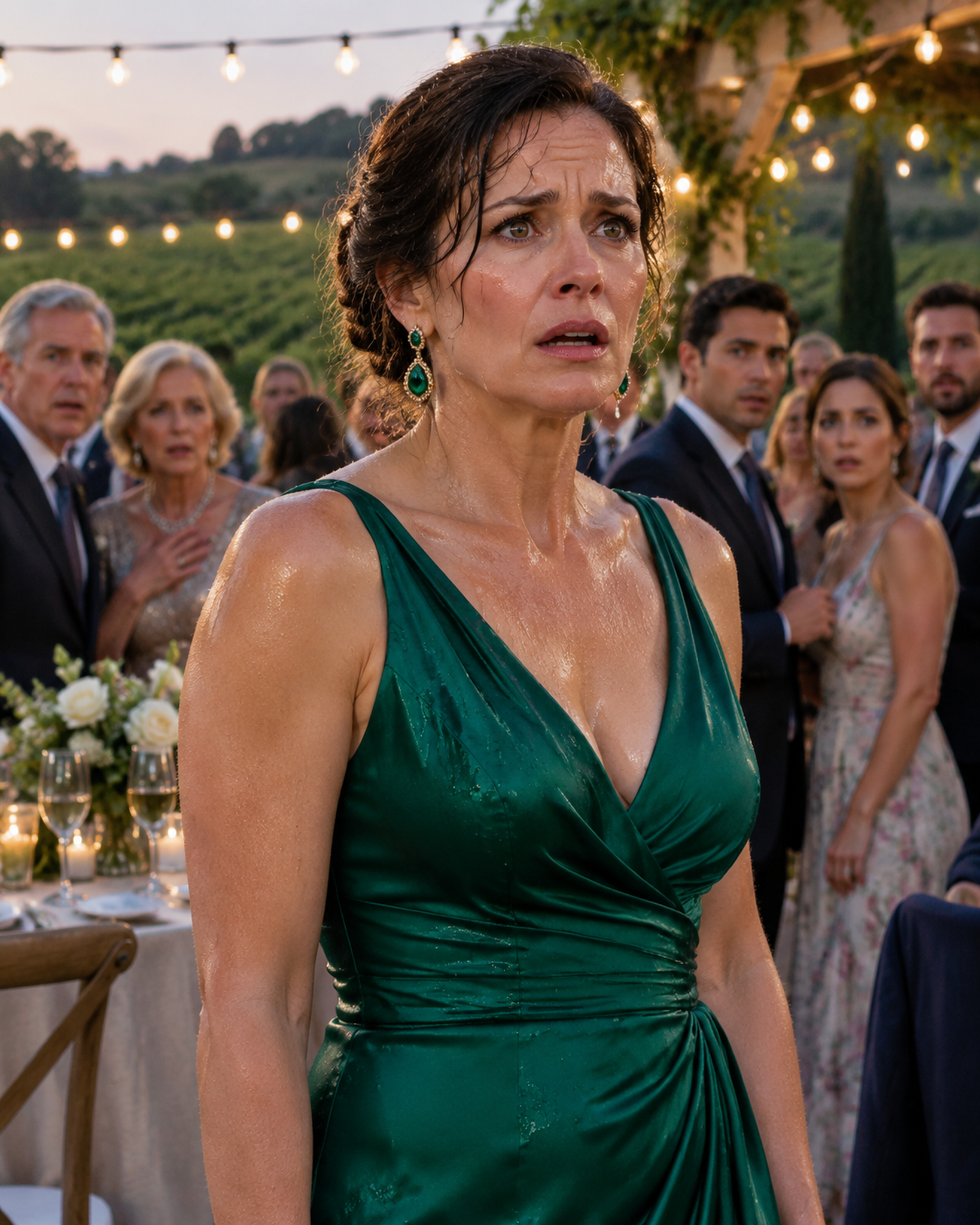
My cousin threw a drink in my face at her wedding. Three days later, police found something she never expected.
Part 1: 3 days after my cousin threw a drink in my face at her own wedding, two police officers...
The restorers enlarged this portrait — what they found in the slave child’s hands shocked them
Part 1 The conservation laboratory on the 3rd floor of the National Museum of American History was almost entirely silent....
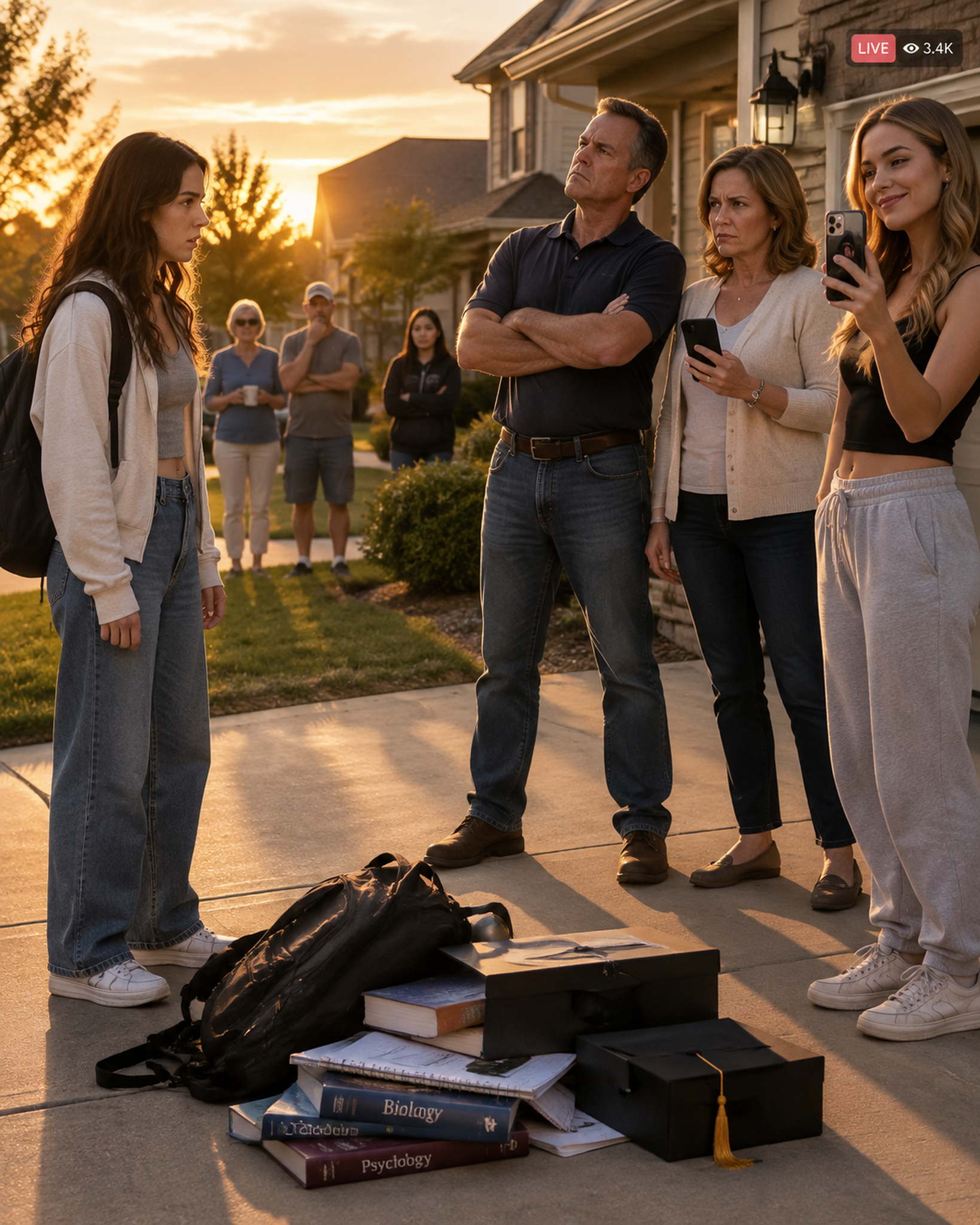
My Family Threw Me Out Over My $250,000 Graduation Award—Then I Found Grandma’s Forgotten Envelope.
Part 1: My name is Isabelle Collins. I had just turned 22, graduating with honors in engineering from Oregon State...