MY SISTER TRIED TO WALK DOWN THE AISLE IN WHITE AT MY WEDDING—THEN MY AUNT EXPOSED WHAT MY PARENTS STOLE FROM ME – Life Story
The first time I realized my sister was trying to steal my wedding, she was standing at the back of the church in a white dress.
Not cream.
Not ivory.
White.
She had a bouquet in her hands that I had never approved, the music had suddenly changed to a song I had never chosen, and my mother was sitting in the front row crying happy tears as if she were watching her favorite daughter get married.
The only problem was that her favorite daughter wasn’t the bride.
I was.
For several seconds, I couldn’t move.
I was standing beside Logan at the altar, surrounded by candles, flowers, and nearly a year’s worth of planning, watching my sister Briana smile at two hundred guests like the entire ceremony had been arranged for her entrance.
Then she lifted one hand and gave them a slow princess wave.
Logan’s fingers tightened around mine.
“Don’t move,” he whispered.
I looked at him.
His expression was calm, but I knew that look.
It was the same look he wore whenever someone was about to discover they had badly underestimated him.
“We’ve got this,” he said.
At the time, I thought he meant the wedding.
I had no idea that within the next ten minutes, my sister would be carried out of the church, my parents would publicly admit what they had done with fifteen thousand dollars that belonged to me, and the entire story I had told myself about my childhood would collapse in front of everyone I loved.
But maybe I should start with the doll.
Because in my family, nothing ever really started with the wedding.
It started when I was seven years old and learned that anything I loved could become Briana’s if she wanted it badly enough.
I had saved birthday money for months to buy a doll I had seen in a toy store downtown.
It wasn’t an expensive collector’s item.
It wasn’t rare.
But to seven-year-old me, it was the most beautiful thing in the world.
She had a blue dress, long brown hair, and tiny painted shoes.
I counted my money every night.
Five dollars from Grandma.
Ten from Aunt Helen.
A few dollars from relatives.
Coins from chores.
When I finally had enough, my mother took me to the store, and I held that box against my chest the whole way home like I had won a trophy.
Briana saw it before I even made it to my bedroom.
“I want that.”
She was nine.
“No,” I said.
I remember how strange it felt saying that word.
No.
It was one of the first times I had ever tried it.
Briana’s face crumpled.
“But I want it.”
“It’s mine.”
She screamed.
Not cried.
Screamed.
My father came out of the kitchen first.
“What happened?”
“She won’t give me the doll!”
Dad looked at me.
Not at Briana.
At me.
“Why are you upsetting your sister?”
I hugged the box tighter.
“Because it’s mine.”
My mother came in behind him and immediately knelt beside Briana.
“Oh, honey.”
“She’s being mean to me.”
“I’m not being mean!” I shouted. “I saved for it!”
My mother’s expression changed.
That look.
The one that told me I had crossed some invisible line.
“Lower your voice.”
“But—”
“Briana is more sensitive than you.”
I didn’t understand what that had to do with anything.
My father held out his hand.
“Give her the doll.”
I stared at him.
“No.”
The room went completely quiet.
Dad’s eyebrows lifted.
“What did you say?”
“I bought it.”
“With money family gave you,” he replied. “Family helps family.”
That sentence would follow me for years.
Family helps family.
Except in our house, it only seemed to mean one thing.
I helped Briana.
Everyone helped Briana.
And Briana never had to help anyone.
When I refused again, my father took the doll from my arms.
Briana stopped crying instantly.
She smiled.
That was the part I remembered most clearly.
The speed.
One second she was sobbing like somebody had broken her heart.
The next, the doll was in her hands and the tears were gone.
I ran to my room and cried into my pillow.
My mother came upstairs fifteen minutes later.
I thought she was going to comfort me.
Instead, she stood in the doorway with her arms crossed.
“Your crying is making Briana feel guilty.”
I lifted my head.
“What?”
“She can hear you.”
“I’m sad.”
“Well, you need to stop making your sister feel bad for accepting a gift.”
“It wasn’t a gift!”
That got me grounded.
Three days.
For “being dramatic.”
Years later, when people asked when I first noticed the favoritism, I always wanted to tell them there wasn’t one moment.
There were hundreds.
Thousands.
Little cuts you don’t recognize as wounds until you’re old enough to see the scars.
When I was thirteen, I got straight A’s for the first time.
I worked for those grades harder than I had worked for anything.
Math had always been difficult for me, so I stayed after school twice a week.
I gave up weekends with friends.
I made flash cards and studied until midnight.
When my final report card arrived, I ran into the kitchen.
“Mom!”
She looked up from her phone.
“What?”
I put the paper in front of her.
For half a second, she smiled.
“Oh.
Wow.”
I waited.
Dad came home later, and Mom showed him.
He patted my shoulder.
“Good job.”
Then Briana walked into the room.
“What’s happening?”
“Your sister got straight A’s.”
Briana’s face tightened.
Nobody else seemed to notice.
I did.
That evening, my parents announced that we were going out for dinner to celebrate.
I couldn’t believe it.
A whole dinner.
For me.
I spent twenty minutes deciding what to wear.
When we got in the car, Dad asked Briana, “Where do you want to eat?”
I thought he was joking.
Briana named a restaurant I hated.
They served almost nothing I liked.
“That’s where you want to go?” Mom asked.
Briana nodded.
“Okay.”
I leaned forward from the back seat.
“Wait.
I thought this was my dinner.”
“It is,” Mom said.
“So why does Briana choose?”
“Because she’s coming too.”
At the restaurant, they ordered chocolate cake.
I hated chocolate cake.
Everyone knew that.
Briana loved it.
When the server placed it in front of me with candles, Briana clapped.
I didn’t.
After dinner, when we were walking toward the parking lot, I finally asked the question I had been swallowing all night.
“Why was everything about Briana?”
My dad stopped beside the car.
“What are you talking about?”
“She chose the restaurant.
She chose the cake.
You kept asking what she wanted.”
His face hardened.
“We took you out for dinner.”
“I know, but—”
“And now you’re complaining?”
“I’m not complaining.
I just thought—”
“You’re being selfish.”
That word hit harder than it should have.
Selfish.
I had spent years surrendering toys, attention, birthday plans, weekends, clothes, and even my bedroom once because Briana decided mine had better sunlight.
But somehow, wanting one dinner to be about me made me selfish.
Dad opened the car door.
“You need to learn gratitude.”
Behind him, Briana looked at me.
And smirked.
That was when I stopped believing she was just a helpless child caught in our parents’ favoritism.
She knew.
Maybe not the full damage.
Maybe not what it would become.
But she knew she could win.
And she enjoyed winning.
At sixteen, I got my first job at a grocery store.
I worked after school and most Saturdays.
I had one goal.
A car.
Nothing fancy.
Just something used that would get me to school, work, and eventually college.
I saved for eight months.
Two thousand dollars.
I kept the money in an envelope hidden inside an old shoebox in my closet because I didn’t have my own bank account yet and because, by then, I had learned not to advertise anything I cared about.
One afternoon, I came home from work and found the shoebox on my bed.
Empty.
I stared at it for several seconds before I understood.
Then I ran downstairs.
“Where’s my money?”
Mom was at the kitchen counter.
She didn’t even pretend not to know.
“We needed to use it.”
My chest went cold.
“For what?”
“Your sister’s driving expenses.”
I laughed because the answer was so absurd my brain refused to accept it.
“What?”
“Her lessons.
Insurance.
The down payment on the car.”
“You took my money to buy Briana a car?”
“She needs transportation.”
“So do I!”
“You can take the bus.”
“So can she.”
Mom sighed.
“You know Briana gets anxious on public transportation.”
I stared at her.
I could hear the refrigerator humming behind us.
The clock ticking.
Every tiny sound became painfully sharp.
“That was my money.”
“We’ll pay you back.”
“When?”
“When we can.”
I turned toward my father as he entered the kitchen.
“Dad?”
He already knew.
His expression told me everything.
“You’re okay,” he said. “You’ve always been independent.”
“I worked eight months for that.”
“And that’s admirable.”
“You stole it.”
His face changed immediately.
“Watch your mouth.”
“You took money from my room.”
“Family helps family.”
There it was again.
The phrase that had become a weapon.
Briana got her license three months later.
My parents helped her buy a small used car.
She drove to school while I stood at the bus stop.
For two more years.
I never got the money back.
By the time I left high school, I had developed a survival strategy.
Expect nothing.
Then nothing could hurt you.
When my parents forgot events, I didn’t remind them.
When they spent more money on Briana, I didn’t ask questions.
When she interrupted me at dinner, I stopped trying to finish my stories.
When relatives complimented me, I learned to brace myself because my mother would immediately mention something Briana had done too.
I became, as my parents loved to say, “the easy daughter.”
Independent.
Responsible.
Mature.
Words that sounded like praise until I understood they were excuses.
They didn’t have to support me because I could survive without support.
They didn’t have to protect me because I could tolerate being hurt.
They didn’t have to invest in me because I had learned to invest in myself.
And every time I survived neglect, they used my survival as proof I hadn’t needed anything in the first place.
Then I met Logan.
I was twenty-five.
He was twenty-seven.
We met through a mutual friend at a barbecue where I accidentally spilled lemonade on his shoes.
“I’m so sorry,” I said.
He looked down at his soaked sneakers.
Then at me.
“I hated these shoes.”
I laughed.
“They look new.”
“They were a gift.”
“So you don’t hate them.”
“No, but you looked so horrified I was trying to help.”
That was Logan.
He made space instead of demanding it.
He remembered little things.
He listened when I spoke.
The first time he bought me a birthday cake, he asked what flavor I wanted.
I said vanilla.
Then I almost cried when he actually brought vanilla.
He noticed.
“What’s wrong?”
“Nothing.”
“You’re crying over frosting.”
“I’m not crying.”
“You absolutely are.”
Eventually I told him about the straight-A dinner.
The chocolate cake.
The restaurant.
Briana.
He didn’t say anything for a few seconds.
Then he asked, “Did that happen often?”
I laughed.
“All the time.”
He didn’t laugh with me.
That was the beginning of something changing inside me.
For the first time, someone who loved me was hearing these stories and not treating them as normal.
Over the next three years, Logan witnessed enough to stop needing explanations.
He saw my mother call me during a work presentation because Briana needed someone to pick up dry cleaning.
He watched my father spend an entire birthday dinner for me discussing Briana’s dating problems.
He heard Briana announce our engagement to relatives before we could because she “got excited.”
He watched my parents insist she deserved to try on engagement rings too because otherwise she might feel left out.
That was the only time I saw Logan nearly lose his temper with my mother.
“No,” he said.
Mom blinked.
“No?”
“This moment belongs to her.”
Briana laughed.
“Relax.
It’s jewelry.”
Logan looked directly at her.
“Then you should have no problem waiting until it’s yours.”
I loved him for that.
Not because he fought my battles.
Because he kept reminding me I was allowed to have things that belonged only to me.
When we got engaged, I wanted a small wedding.
Mostly because I knew exactly what a large wedding meant.
My family.
And my family meant Briana.
“I don’t want her in the wedding party,” I told Logan.
He was sitting across from me at our kitchen table.
“Then don’t put her in it.”
“You make that sound easy.”
“It should be.”
“It won’t be.”
He reached across the table.
“Then we deal with whatever happens.”
What happened was my parents called me three days after invitations went out.
Mom was crying before I finished saying hello.
“How could you do this?”
I closed my eyes.
“Do what?”
“Briana isn’t maid of honor.”
“She isn’t even a bridesmaid.”
Mom sucked in a breath like I had confessed to a crime.
“Exactly.”
“I chose my friends.”
“She’s your sister.”
“She doesn’t have to be in my wedding.”
Dad came onto the call.
“If Briana isn’t included, we’re not coming.”
There it was.
The threat.
Simple.
Clean.
Familiar.
Mom sniffed dramatically.
“And we’ll have to explain to everyone why.”
“What does that mean?”
“It means people are going to ask.”
Dad’s voice sharpened.
“And we’re not lying for you.”
“Lying about what?”
“That you excluded your sister because you’ve always been jealous of her.”
I nearly dropped the phone.
“Jealous?”
“You’ve resented her since you were children.”
I started laughing.
I couldn’t help it.
It wasn’t funny.
But something about hearing the lie stated so confidently broke something in me.
“Are you serious?”
“Completely.”
Logan, sitting beside me, held out his hand for the phone.
I shook my head.
Not yet.
I still believed I could manage them.
That was my mistake.
Two days later, I added Briana to the bridal party.
Then, under relentless pressure, I made her maid of honor.
The moment I told her, she hugged me.
“I knew you’d come around.”
Not thank you.
Not I’m honored.
I knew you’d come around.
The wedding planning changed immediately.
My invitations were “too plain.”
My flowers were “cheap-looking.”
My dress was “safe.”
The venue needed “more Instagram moments.”
Every decision became an opportunity for Briana to explain what she would have done better.
At my bridal shower, she gave a twenty-minute speech about our childhood.
Most of it was about herself.
At my bachelorette dinner, she disappeared for forty-five minutes because someone at another table recognized her from social media.
She came back expecting us to restart dessert.
We didn’t.
She sulked the rest of the night.
Still, I told myself I could survive until the wedding.
One day.
That was all I needed.
One day that belonged to me.
During rehearsal, I learned even that was apparently too much.
Briana stood at the front of the church studying the aisle.
“You know what would look amazing?”
I ignored her.
She continued anyway.
“I should walk down alone.”
I turned.
“You are walking alone.”
“No, I mean after everyone.”
My stomach tightened.
“What?”
“Like a second entrance.”
“No.”
She laughed.
“You didn’t even hear the idea.”
“I heard enough.”
She gestured dramatically toward the aisle.
“The bridesmaids walk.
Then there’s a pause.
Then the music changes.
I come down.
Then another pause.
Then you.”
I stared at her.
“Why?”
“Because I’m maid of honor.”
“That doesn’t make you co-bride.”
Her mouth fell open.
Several bridesmaids looked away.
Briana recovered quickly.
“I’m just trying to make it elegant.”
“No.”
“People would love it.”
“No.”
“You’re being weird about this.”
“It’s my wedding.”
She crossed her arms.
“Obviously.”
“Then there are no changes.”
Her expression hardened.
For a second, the polished smile disappeared and I saw the same face I had seen when I was seven years old holding my doll.
I want it.
And if I want it badly enough, someone will make you give it to me.
Then she smiled again.
“Fine.”
I should have known that wasn’t the end.
The wedding morning was beautiful.
That was almost cruel.
Clear sky.
Warm sunlight.
Perfect temperature.
My bridesmaids arrived early.
The makeup artist played music.
Someone brought coffee.
For nearly two hours, I forgot my family existed.
I remember looking at myself in the mirror after putting on my dress and thinking, This is real.
I looked like myself.
Not Briana’s sister.
Not my parents’ difficult daughter.
Not the one who could handle disappointment.
Just me.
Then the wedding coordinator rushed into the bridal suite.
Her name was Claire, and in nine months I had never seen her panic.
She was panicking now.
“Okay,” she said, closing the door behind her. “I need you not to freak out.”
Every woman in the room froze.
“What happened?” I asked.
Claire glanced toward my bridesmaids.
Then back at me.
“Your sister brought another dress.”
My stomach sank.
“What kind of dress?”
Claire hesitated.
That hesitation told me everything.
“What color?”
“She says cream.”
“What color is it?”
“White.”
The room exploded.
My friend Melissa swore.
Another bridesmaid said, “Absolutely not.”
I stood there staring at Claire.
“Wedding white?”
“Yes.”
“Long?”
“Yes.”
“Formal?”
“Yes.”
“Does it look like a wedding dress?”
Claire pressed her lips together.
“Yes.”
I closed my eyes.
Of course.
Of course she did.
Melissa grabbed her phone.
“I’ll handle her.”
“No.”
Everyone looked at me.
I opened my eyes.
“No scenes.
Not before the ceremony.”
“You’re going to let her wear it?”
“I’m going to marry Logan.”
My voice sounded surprisingly calm.
“Claire, keep her away from me.
Put a jacket on her.
Give her another dress.
I don’t care.
Just don’t let her near this room.”
Claire nodded.
“I’ve got it.”
I believed her.
Twenty minutes later, the ceremony began.
The bridesmaids walked.
The groomsmen took their places.
Logan stood waiting.
When I reached the front beside him, I thought the danger had passed.
Then the music stopped.
Not faded.
Stopped.
A different song began.
A slow instrumental piece I had specifically rejected months earlier.
Logan turned toward the sound booth.
I looked toward the back of the church.
And there she was.
Briana.
White dress.
White shoes.
Fresh bouquet.
Hair restyled.
She had somehow gotten away from Claire, persuaded someone at the venue to change the music, found flowers, and positioned herself behind the closed doors like she had planned the entire thing.
My mother was already filming.
My father was smiling.
Briana waited until everyone turned.
Then she stepped into the aisle.
Slowly.
Deliberately.
She lifted one hand and waved.
I felt something inside me go completely still.
Not rage.
Not sadness.
Recognition.
This was the doll.
The dinner.
The car.
The engagement.
Every moment of my life compressed into a single image.
Briana walking toward something that belonged to me because nobody had ever taught her she couldn’t.
Logan squeezed my hand.
“We’ve got this.”
I whispered, “What does that mean?”
He didn’t answer.
Briana reached the middle of the aisle.
That was when my cousins Dan and Eric moved.
They were groomsmen.
They were also two of the few relatives who had spent years quietly telling me I wasn’t crazy.
Dan stepped into the aisle.
Eric stepped beside him.
Briana stopped.
“What are you doing?”
Dan smiled politely.
“Wrong direction.”
She laughed.
“Move.”
“No.”
Her smile disappeared.
“Daniel.”
“Briana.”
“This is part of the ceremony.”
“No, it isn’t.”
My mother stood.
“Dan, get out of her way.”
Dan didn’t turn around.
“Sit down, Aunt Carol.”
The church gasped.
Nobody talked to my mother like that.
Briana tried to step around them.
Eric blocked her.
She shoved at his arm.
“Move!”
Several phones rose.
Dan looked toward me.
Just once.
A question.
I didn’t nod.
I didn’t have to.
My face must have answered.
The cousins took Briana gently but firmly by the arms.
She fought them.
“Get off me!”
When she planted her feet, Dan and Eric improvised.
One took her under the shoulders.
The other lifted her legs.
Suddenly Briana was horizontal, being carried down the side aisle like the world’s angriest piece of furniture.
The church went silent.
Her bouquet hit the floor.
“What are you doing?” she screamed. “Put me down!”
Dan and Eric kept moving.
“Put me down right now!”
The side door opened.
They carried her through it.
The door closed.
Silence.
Then someone in the back started clapping.
One person.
Then another.
Then half the church.
I covered my mouth.
I wasn’t laughing.
I wasn’t crying.
I honestly didn’t know what I was doing.
My parents did.
They jumped up.
My aunt Helen stepped into the aisle.
“Sit down.”
Dad stared at her.
“Move.”
“No.”
“That’s my daughter out there.”
“And this is hers.”
Helen pointed at me.
Dad tried to push past her.
His shoulder hit hers hard enough that she stumbled into the pew.
The applause died immediately.
Logan moved before I did.
So did his father.
But Helen straightened up first.
My mother pointed at me.
“You planned this!”
Her voice echoed through the church.
Every guest turned.
“You planned all of this because you hate her!”
I stared at her.
She kept going.
“You have always been jealous because we actually love your sister!”
Something inside the room changed.
I could feel it.
Guests who had been amused seconds earlier stopped smiling.
Phones came up again.
Aunt Helen looked at my mother.
Then she said six words that changed my entire life.
“Tell her about the college fund.”
Mom froze.
Dad’s face changed.
I looked at Helen.
“What college fund?”
Nobody answered.
My knees suddenly felt weak.
“Helen?”
My aunt stared at my parents.
“Tell her.”
Dad grabbed Mom’s arm.
“That’s enough.”
“No,” Helen said. “It stopped being enough about twenty-eight years ago.”
My mother shook her head.
“Helen, don’t.”
“What college fund?” I repeated.
Helen turned toward me.
Her expression softened.
“Your grandmother left you money.”
I couldn’t breathe.
“How much?”
“Fifteen thousand dollars.”
The church disappeared.
The flowers.
The guests.
The music.
Everything.
All I could hear was fifteen thousand dollars.
“When?”
“Eight years ago.”
Eight years.
Right before college.
My body went cold.
“No.”
Dad stepped forward.
“She doesn’t know what she’s talking about.”
Helen pulled out her phone.
“I have the will.”
Mom whispered, “Stop.”
“I have the bank statements.”
Dad’s voice cracked.
“Helen.”
“And I have the deposit record showing exactly where the money went.”
I looked at my father.
“What money?”
He said nothing.
“What money?”
My voice rose.
Logan’s hand moved to my back.
Helen looked at me with tears in her eyes.
“Your grandmother left fifteen thousand dollars specifically for your education.”
I stared at Mom.
“You told me Grandma didn’t leave anything.”
Mom’s mouth opened.
Nothing came out.
“You told me there wasn’t money.”
“Honey—”
“No.
Did Grandma leave me fifteen thousand dollars?”
Mom started crying.
That told me before anyone spoke.
Logan stepped forward.
His voice was calm.
“Did she?”
Dad looked at him.
“This is a family matter.”
“No,” Logan said. “You made it my family matter when you lied to the woman I’m marrying.”
Dad’s jaw tightened.
“We did what was best for both daughters.”
I stopped breathing for a second.
There it was.
Not denial.
An admission.
I heard someone behind us whisper, “Oh my God.”
Logan’s voice became quieter.
“Did you use money specifically left for her education on something else?”
Dad looked around the church.
He finally seemed to notice all the phones.
All the faces.
All the people watching him.
His shoulders dropped.
“Briana needed it more.”
The words struck harder than any confession I could have imagined.
I stared at him.
“What?”
“She wanted to attend art school.”
My father spoke faster now, as if enough explanation could turn theft into parenting.
“It was private.
It was expensive.
She had dreams.”
“And I didn’t?”
“You were practical.”
My mouth fell open.
“You were already working,” he continued. “You were fine going to community college.”
“I was fine?”
“You handled things better.”
I started shaking.
Not from fear.
From years of buried rage finally finding a door.
“I got into State.”
Mom covered her mouth.
“I got a full academic scholarship.”
Nobody moved.
“The only thing it didn’t cover was housing.”
Mom whispered my name.
“You told me we couldn’t afford housing.”
“We—”
“You told me I had to stay home.”
My voice cracked.
“You told me college was expensive and Briana already needed help and I should be responsible.”
Dad took a step toward me.
“It was complicated.”
“How much was the housing?”
He didn’t answer.
“I asked you a question.”
Dad looked away.
Aunt Helen answered.
“About eight thousand a year.”
My vision blurred.
Fifteen thousand dollars.
Almost two years of housing.
Two years in which I could have worked part-time.
Two years that might have changed the entire direction of my life.
“You had enough.”
Mom began sobbing.
“We thought—”
“You had enough.”
I was crying now too.
“You made me turn down a full scholarship because you said we were broke.”
Mom reached toward me.
“Honey, please.”
I stepped back.
“You made me pay you rent while I went to community college.”
“We were teaching responsibility.”
“With the money Grandma left me sitting in your account?”
Dad snapped.
“It wasn’t sitting there.”
That was when the last piece fell into place.
I looked at him.
“Where did it go?”
Silence.
Aunt Helen answered.
“Briana’s tuition.”
The room erupted in whispers.
“And her apartment,” Helen continued. “Near the art school.”
I stared at my parents.
Briana had lived in a one-bedroom apartment near campus.
I had visited once.
Granite countertops.
Balcony.
Secure parking.
My parents had called it an investment in her independence.
I had gone home that night to the bedroom I grew up in because they told me moving out while attending community college was financially irresponsible.
“That was my money?”
Mom was sobbing so hard she could barely speak.
“She needed support.”
“That was my money?”
“Yes!”
Dad shouted it.
The word echoed.
Nobody spoke.
Dad seemed shocked by his own volume.
Then, quietly, he said it again.
“Yes.”
My whole childhood suddenly rearranged itself.
The car money.
The birthdays.
The celebrations.
The constant message that Briana needed more because I could survive with less.
They hadn’t just favored her emotionally.
They had literally taken my future and handed it to her.
I looked at my parents.
“Get out.”
Mom blinked.
“What?”
“Get out of my wedding.”
Dad’s face darkened.
“You don’t mean that.”
“I do.”
“We are your parents.”
“And today you admitted in front of everyone that you stole money Grandma left me.”
“We did not steal—”
“Get out.”
Mom reached for me.
I stepped behind Logan.
Not because I was afraid of her.
Because I was done letting her touch me whenever she wanted forgiveness.
“You’re emotional,” she said.
I almost laughed.
“You need time to calm down.”
“No.
I needed twenty-eight years to wake up.”
Dad pointed toward the guests.
“You are embarrassing this entire family.”
Logan’s father stood.
His name was Robert.
He was six-foot-three, broad-shouldered, usually quiet.
When he spoke, everyone heard him.
“It’s her wedding.”
Dad turned.
“This doesn’t concern you.”
Robert walked into the aisle.
“It concerns me because she is about to become my daughter.”
That word nearly broke me.
Daughter.
Not burden.
Not difficult.
Not independent enough to ignore.
Daughter.
Robert continued.
“And she asked you to leave.”
Dan and Eric had returned by then.
Several other cousins stood.
Then my uncle.
Then Logan’s brother.
One by one, people rose.
Not threatening.
Just present.
A wall.
For the first time in my life, my parents looked around a room and realized nobody was going to force me to surrender.
Dad grabbed Mom’s hand.
“Fine.”
He pulled her toward the exit.
Mom twisted around before the doors.
“You’ll regret this.”
I stared at her.
“When you need family,” she said, “you’ll understand how dramatic you’re being.”
Helen stepped into her path again.
“The only dramatic thing here is stealing from one daughter to finance the other and then calling yourself a victim.”
Mom’s face hardened.
The doors shut behind them.
I thought it was over.
Then the side entrance flew open.
Briana came storming back inside.
Her dress had dirt along one side.
Her hair was loose.
Mascara streaked down her cheeks.
“Did anyone see what they did to me?”
Every face turned.
“I was assaulted!”
Dan sighed.
Briana pointed at him.
“You threw me outside!”
“We placed you outside.”
“You carried me!”
“You refused to leave.”
“That’s assault!”
Phones rose again.
Briana noticed.
She looked around.
Her expression changed when she realized nobody was rushing toward her.
Nobody was comforting her.
Nobody was asking whether she was okay.
Some guests were openly smirking.
“This isn’t funny!”
Dan’s wife, Nicole, stood.
“You wore a white dress to your sister’s wedding.”
“It’s cream!”
Six voices answered almost simultaneously.
“It’s white.”
Briana spun toward me.
“You did this.”
I said nothing.
“You’ve always done this!”
Still nothing.
“You turn everyone against me because you’re jealous!”
She was screaming now.
“Mom and Dad love me and you can’t stand it!”
That sentence should have hurt.
Maybe yesterday it would have.
But after hearing about Grandma’s money, something had changed.
I looked at my sister and realized I didn’t need her to understand.
I didn’t need her apology.
I didn’t need her to admit she had spent her life benefiting from my pain.
I only needed her to stop having access to me.
“No, Briana.”
My voice was quiet.
The room went silent.
“I was never jealous of you.”
She laughed bitterly.
“Please.”
“I was tired.”
Her expression shifted.
“I was tired of losing everything I loved because you wanted it.
I was tired of being told your feelings mattered more.
I was tired of working for things you were simply handed.”
She opened her mouth.
I raised my hand.
“And now I just found out you went to private art school with money Grandma left for me.”
Her face went blank.
That told me something else.
“You knew.”
“No.”
“You knew there was money.”
“I knew Mom and Dad were helping me.”
“Did you ever ask where it came from?”
“That wasn’t my responsibility.”
Of course.
Of course that was her answer.
I nodded.
“Leave.”
“You can’t blame me because they loved me more!”
A collective gasp moved through the church.
Even Briana seemed to realize what she had said.
I looked at her.
“That sentence is exactly why I’m done.”
For one second, her face looked almost frightened.
Then the anger returned.
She turned and ran through the same doors my parents had used.
They closed behind her.
Nobody applauded this time.
It wasn’t funny anymore.
The church looked like the aftermath of a storm.
Flowers scattered.
Guests whispering.
My bouquet on a chair.
Briana’s abandoned bouquet still lying halfway down the aisle.
Our officiant looked like he had aged ten years.
Logan’s best man, Trey, cleared his throat.
“So.”
Everyone looked at him.
He rubbed the back of his neck.
“Maybe we take thirty minutes?”
A few nervous laughs.
“The reception venue is ready,” he continued. “Food is there.
Drinks are there.
Maybe we relocate, reset, and figure out what the actual bride wants.”
The actual bride.
Something about those words made me laugh through my tears.
Logan turned toward me.
Everyone else disappeared from his face.
“What do you want?”
That was such a simple question.
Nobody in my family ever asked it.
What do you want?
Not what will keep Briana calm?
Not what will make Mom happy?
Not what will stop Dad from getting angry?
What do you want?
“I want to marry you.”
My voice shook.
His eyes softened.
“Okay.”
“I don’t want them to take this too.”
“They won’t.”
“I want today to still be ours.”
He smiled.
“Then let’s get married.”
Claire, our coordinator, appeared beside us like she had been summoned by pure wedding emergency instinct.
“I can move the ceremony.”
I stared at her.
“What?”
“There’s a smaller room at the reception venue.
Beautiful windows.
We can move flowers.
Forty or fifty chairs.
We can have everyone else go directly to cocktail hour.”
“Can you really do that?”
She looked mildly offended.
“I once moved an entire outdoor wedding inside during a tornado warning.”
Trey nodded seriously.
“She can do anything.”
Claire pointed toward the exit.
“Thirty minutes.”
I laughed again.
“Okay.”
She clapped once.
Then turned toward the guests.
“All right, everyone, slight change of plans.”
The room actually chuckled.
“The ceremony will continue at the reception venue.
Please head over using the address on your invitations.
Food and drinks are available.
We appreciate your patience.”
Most people began filing out.
But about twenty stayed.
My cousins.
My aunts.
Logan’s parents.
My closest friends.
People who looked at me not with gossip-hungry curiosity, but concern.
Aunt Helen approached slowly.
I stared at her.
“You knew?”
Her eyes filled.
I didn’t wait for the answer.
I fell into her arms.
“I didn’t know.”
My whole body shook.
“I thought they just didn’t think I was worth it.”
“Oh, honey.”
She held me tighter.
“I thought I wasn’t good enough for them to spend that kind of money on me.”
Helen pulled back.
She cupped my face with both hands.
“Listen to me.”
I tried.
“You were always good enough.”
I started crying harder.
“They failed you.”
Logan held my hand.
His mother brought tissues.
Someone found water.
For five minutes, I was surrounded by people doing something my family had almost never done.
Taking care of me without asking for anything in return.
Then Helen said, “There’s something you need to see.”
My stomach tightened.
“Today?”
“I hate doing this today.”
“Then why?”
“Because if I wait, your parents will contact you first.
And they will rewrite everything.”
She was right.
That was what they did.
She opened a PDF on her phone.
The first page was my grandmother’s will.
I recognized Grandma’s full legal name.
The date.
Signatures.
I read until I found my own name.
Then I stopped breathing.
“To my granddaughter…”
Fifteen thousand dollars.
For education.
Specifically mine.
No ambiguity.
No shared family fund.
No discretionary language.
Mine.
But it was the line beneath that that destroyed me.
My grandmother had instructed that the money be used for my education because she was concerned my parents would prioritize Briana’s needs over mine.
Grandma had seen it.
Years before I understood it myself, she had seen it.
I sat down hard.
Logan sat beside me.
“She knew.”
Helen nodded.
“She knew.”
“She knew they favored her.”
“Yes.”
“And she tried to protect me.”
“Yes.”
I covered my face.
“Why didn’t anyone tell me?”
Helen sat across from me.
“I tried.”
I looked up.
“A year after your grandmother died, I asked your father where the education fund was.”
“What did he say?”
“That it was handled.”
“And you believed him?”
“At first.”
She looked ashamed.
“Then I asked to see the account.”
My heart sank.
“He refused.”
“What happened?”
“He told me it was none of my business.
When I kept pushing, he threatened to stop inviting me to holidays.”
I stared at her.
“That worked?”
Her eyes dropped.
“For a while.”
I didn’t know what to say.
Dan’s mother spoke from across the room.
“He did it to several of us.”
I turned.
“Did what?”
“Controlled access.”
She looked uncomfortable.
“Your father is the oldest sibling.
Your parents hosted most holidays.
They decided who came, who got included, who was considered difficult.”
Logan’s jaw tightened beside me.
“Isolation,” he said.
Helen nodded.
“We were cowards.”
“No.”
I wiped my face.
“You were scared.”
“We still should have done more.”
Nobody argued.
That mattered.
For once, nobody tried to turn their failure into a virtue.
Helen swiped to another file.
Bank records.
Deposit.
Fifteen thousand dollars.
Then withdrawals.
Tuition payments.
Rent.
Fees.
Dates.
All aligned with Briana’s enrollment at private art school.
I stared until the numbers blurred.
“I worked through community college.”
Nobody spoke.
“I worked thirty hours a week.”
My voice sounded far away.
“I paid my parents rent.”
Logan squeezed my hand.
“I remember visiting Briana’s apartment.”
The memory returned with painful clarity.
She had complained because the complex didn’t have a pool.
I had been sleeping in my childhood bedroom and waking at to catch a bus.
“She told me Mom and Dad were paying because she needed space to be creative.”
Helen nodded slowly.
“That was your money.”
I started crying again.
Then another thought hit me.
“She dropped out.”
Nobody answered.
I looked at Helen.
“She dropped out after two years.”
“Yes.”
“So Grandma’s money didn’t even buy her a degree.”
“No.”
That broke something deeper than the theft itself.
My future hadn’t been sacrificed for some desperate family necessity.
It had been spent on Briana’s preferences.
Her apartment.
Her private school.
Her “creative journey.”
And then she quit because, in her words at the time, the program felt restrictive.
I bent forward, hands over my face.
Logan wrapped both arms around me.
For several minutes, I couldn’t speak.
Then Claire knocked.
“Ten minutes.”
I lifted my head.
My makeup was ruined.
My family had detonated.
My grandmother had reached through eight years of lies to tell me she had believed in me.
And somewhere across town, forty people were waiting to watch me get married.
I stood.
“Fix my face.”
Melissa blinked.
“What?”
I looked at her through swollen eyes.
“Fix my makeup.”
A smile spread across her face.
“Absolutely.”
Twenty minutes later, I walked down a much shorter aisle.
There were no cathedral doors.
No dramatic music change.
No two hundred guests.
Only forty people packed into a room beside the reception hall.
Dan walked me down the aisle.
At the entrance, he looked at me.
“You sure?”
I nodded.
He offered his arm.
“I’m honored.”
That nearly made me cry again.
When we reached Logan, Dan placed my hand in his.
No ownership.
No symbolic transfer.
Just one person who had protected me handing me to another person who never asked me to make myself smaller.
The officiant smiled.
“We’ve had a more eventful afternoon than anticipated.”
Everyone laughed.
Even me.
Then Logan read his vows.
“I promise that in our home, you will never have to earn the right to matter.”
My face crumpled.
He continued.
“You will never have to prove you are easy enough, useful enough, quiet enough, or strong enough to deserve care.”
I was crying openly now.
“You are not loved because of what you can tolerate.
You are loved because you are you.”
Someone behind me sniffed loudly.
When it was my turn, I had to stop twice.
But I said every word.
I promised to choose him.
I promised honesty.
I promised partnership.
And quietly, inside myself, I made another promise.
I would never again confuse surviving someone with loving them.
When we kissed, the room erupted.
It wasn’t the wedding I planned.
It was better.
Because every person clapping wanted me there.
The reception somehow became joyful.
Maybe because the worst thing had already happened.
There was nothing left to dread.
People danced.
Robert gave a toast that made everyone laugh.
Helen cried through hers.
Dan made a joke about his “unexpected usher duties” and promised never to carry another maid of honor horizontally again.
Even I laughed.
Then the stories began.
One relative after another approached me.
“I saw things when you were kids.”
“I remember your mom giving Briana your birthday present.”
“I remember you missing a family trip because Briana wanted a friend to come and there wasn’t enough room.”
“I remember your father making you babysit during your school dance because Briana had plans.”
I listened.
Each story felt like someone returning a piece of reality I had been trained to distrust.
I wasn’t imagining it.
I hadn’t been too sensitive.
It had happened.
During dessert, Claire approached our table.
Her expression told me she wasn’t bringing cake.
“Your parents are outside.”
My fork stopped.
“And your sister.”
Logan stood immediately.
“What do they want?”
“They say they paid for the venue.”
I laughed once.
Of course.
Even now, money as leverage.
Robert stood.
“I’ll handle it.”
“Robert—”
He put a hand on my shoulder.
“You already handled enough today.”
He disappeared toward the front entrance.
We could hear muffled voices.
Then louder ones.
My father.
My mother.
Briana.
Five minutes later, Robert returned.
“They’re gone.”
“What happened?”
“I explained they have no financial claim to the venue.”
I frowned.
“They paid the deposit.”
Robert shook his head.
“No.”
I looked at Logan.
He suddenly became fascinated by his napkin.
“What?”
Logan sighed.
“My parents covered it.”
“When?”
“Three months ago.”
“Why?”
Robert answered.
“Because your parents kept threatening to cancel things whenever you disagreed with them.”
I remembered.
Flowers.
Guest list.
Seating chart.
Every argument ended with Dad saying, “Remember who’s paying.”
My throat tightened.
“You paid without telling me?”
Robert smiled.
“We weren’t buying control.”
His wife reached across the table and squeezed my hand.
“We were buying peace.”
I hugged them both.
Later that night, Logan and I finally reached our hotel.
I kicked off my shoes.
He removed his tie.
For several seconds, we just stared at each other.
Then we both started laughing.
Not polite laughter.
Exhausted, hysterical laughter.
“We got married,” I said.
“We did.”
“My sister was carried out of a church.”
“That also happened.”
“My aunt exposed a financial crime during the ceremony.”
“Technically before the ceremony resumed.”
I threw a pillow at him.
Then my phone buzzed.
And buzzed.
And buzzed.
Seventeen missed calls from Mom and Dad.
Twelve from Briana.
Dozens of messages.
Then I saw Briana’s social media post.
She had uploaded a photo of herself crying.
The caption was long.
According to Briana, she had attended my wedding wearing “a cream formal gown” because I had approved it.
She claimed my cousins attacked her without warning.
She claimed I had always been jealous because our parents “naturally connected with her more.”
She said I had spent years secretly resenting her.
She said I orchestrated the entire wedding humiliation.
The comments underneath were sympathetic.
At first.
Then I scrolled.
A wedding guest had posted video.
Briana standing at the back of the church.
White dress.
Bouquet.
Princess wave.
Another guest posted a second angle.
Someone else posted the moment she argued that the dress was cream.
The comments shifted.
Wait.
Why are you dressed like a bride?
You had a bouquet?
Why was there separate entrance music?
Girl, this looks bad.
One comment had hundreds of likes.
“Were you trying to get married too?”
I laughed despite myself.
Logan gently took the phone from my hands.
“Not tonight.”
“But—”
“Tomorrow can be chaos.”
He placed the phone on the nightstand.
“Tonight, you’re my wife.”
My wife.
I smiled.
For the first time all day, the word didn’t feel like something someone could take away.
I woke to my phone vibrating nonstop.
Relatives.
Old neighbors.
Family friends.
Former teachers.
People I hadn’t spoken to in years.
The videos had spread through our extended social circle.
With them came memories.
My mother’s cousin messaged me first.
“I remember your fifth-grade spelling bee.
Your mom missed it because Briana had a routine appointment.
I always thought that was strange.”
My old neighbor wrote:
“I watched your parents make you give Briana birthday presents at least three times.”
Then my high school math teacher contacted me.
Her message made my stomach turn.
“You may not remember this, but I wrote you a scholarship recommendation.
Your mother later called and asked me not to submit another application because you had decided to stay local.
I thought it was your decision.”
I stared at the screen.
It hadn’t been.
How many opportunities had disappeared before I even knew they existed?
Logan ordered breakfast.
I barely ate.
Around ten, Helen called.
“I have more.”
My stomach tightened.
“More money?”
“More proof.”
She had contacted one of Grandma’s old friends.
Grandma had talked about me often before she died.
She had worried openly about the difference in how my parents treated us.
That was why the inheritance had been restricted.
“She knew they might use it for Briana,” Helen said.
I looked out the hotel window.
“So she tried to make it impossible.”
“Yes.”
“And they did it anyway.”
“Yes.”
Helen emailed me everything.
The will.
Bank statements.
Deposit records.
And a letter.
The letter was from Grandma to Helen.
I read the first line.
Then the second.
Then I couldn’t see.
Logan took the phone.
“Do you want me to read it?”
I nodded.
Grandma had written that she worried I was growing up believing I wasn’t good enough.
She wrote that I was intelligent.
Kind.
Hardworking.
That I deserved opportunities.
That the money was for my education and no one else’s.
Then came the sentence that shattered me.
“She deserves to know she was loved.”
I covered my mouth.
All those years, I had thought Grandma died before she could see what was happening.
But she had seen it.
She had loved me enough to try to build a door out.
My parents had taken the door and used the wood to decorate Briana’s life.
Over the next week, Briana kept posting.
Every day.
New videos.
New explanations.
New claims.
She said the internet was bullying her.
She said I was destroying the family.
She said my parents had only supported her because she struggled with anxiety.
But the more she talked, the worse it became.
One of her old college friends commented:
“I stayed at your apartment.
You told me your parents paid your entire rent.
Was that from your sister’s inheritance?”
Briana deleted it.
Someone had already taken a screenshot.
Another friend wrote:
“You told us your parents bought your car too.”
Deleted.
Screenshot.
Then:
“Didn’t your sister work through college?”
Deleted.
Screenshot.
My parents started messaging.
First anger.
“How dare you let people attack your sister?”
“You embarrassed us.”
“You owe everyone an apology.”
Then guilt.
“We did what we thought was best.”
“You were always stronger.”
“Briana needed more help.”
Then bargaining.
“Can we meet?”
“We can explain.”
“We are still your parents.”
“Think about Christmas.”
That one almost made me laugh.
Christmas.
The annual celebration where Briana somehow received more gifts, chose dinner, selected the movie, and controlled the schedule because upsetting her would “ruin the holiday.”
I blocked both numbers.
Three days later, Briana came to my apartment.
She pounded on the door.
“Please!”
I froze in the hallway.
Logan was at work.
“Please open the door!”
I looked through the peephole.
She looked terrible.
No makeup.
Hair tangled.
Eyes swollen.
For half a second, I felt the old instinct.
Fix it.
Make Briana feel better.
Then I remembered being seven years old.
Crying upstairs.
Being grounded because my sadness made her uncomfortable.
I spoke through the door.
“Go home.”
“Please.
Mom and Dad are blaming me.”
I closed my eyes.
“They’re saying everything came out because of what I did at the wedding.”
“That sounds like a conversation for you three.”
“I need you.”
The irony was almost unbearable.
“No.”
She hit the door again.
“You can’t do this.”
“I can.”
“I’m your sister.”
“You remembered that at my wedding?”
“It wasn’t supposed to happen like that.”
“What was supposed to happen?”
Silence.
I waited.
“I just thought it would be beautiful.”
“For you.”
“For both of us.”
“It was my wedding.”
“You already had everything!”
Her voice sharpened.
“The dress.
The attention.
Logan.
Everyone looking at you.”
I nearly laughed.
“You’re describing a bride.”
“That’s not what I meant.”
“Yes, it is.”
She started crying again.
“I just wanted one moment.”
Something in me went still.
“One moment?”
I pressed my palm against the door.
“Briana, you’ve had my moments my entire life.”
“That’s not true.”
“My doll.”
“We were kids.”
“My birthday presents.”
“I don’t remember that.”
“My straight-A dinner.”
“Seriously?”
“My car money.”
“That was Mom and Dad.”
“My college money.”
“I didn’t know.”
“You never asked.”
“Why would I?”
There it was.
The entire problem.
Why would she?
Why would Briana ever question the machine that had spent twenty-eight years delivering everything to her?
“You didn’t need any of it,” I said.
Her crying stopped.
“What?”
“You didn’t need my doll.
You didn’t need my car savings.
You didn’t need my parties.
You didn’t need Grandma’s money.”
“You don’t understand my anxiety.”
“Anxiety doesn’t entitle you to other people’s lives.”
Silence.
Then she said it.
“You always hated me.”
“No.”
I surprised myself with how calm I sounded.
“I was never jealous of you.
I was exhausted from being treated like I didn’t matter.”
“That’s basically the same thing.”
“No.
It isn’t.”
I looked through the peephole again.
She was standing with her arms wrapped around herself.
For the first time, she looked small.
But small wasn’t the same as innocent.
“Leave.”
She stayed outside for twenty minutes.
My neighbor across the hall eventually opened her door.
“Everything okay?”
Briana immediately started explaining.
“My sister won’t let me in.
She’s turned my family against me.”
My neighbor stared at her.
Then at the white-dress wedding video still open on Briana’s phone.
“I’ve seen the videos.”
Briana went quiet.
“You should leave.”
She left.
That evening, Mom called Logan from an unfamiliar number.
He answered without realizing who it was.
“I need to speak with my daughter.”
Logan looked at me.
I shook my head.
He put the phone on speaker.
“Explain something first.”
“What?”
“You keep saying Briana had learning disabilities.”
Mom hesitated.
“Yes.”
“What diagnoses?”
Another pause.
“She had trouble focusing.”
“Was she diagnosed with ADHD?”
“No.”
“Any diagnosed learning disability?”
“She had anxiety.”
“Was that diagnosed?”
“Not officially, but we knew.”
Logan stared at the phone.
“So when you say she had learning disabilities, what you mean is you believed things were harder for her.”
“That’s not fair.”
“Is it inaccurate?”
Mom’s breathing grew louder.
“She needed us.”
“So did your other daughter.”
“She was different.
She was capable.”
There it was again.
The compliment that functioned as abandonment.
Logan leaned forward.
“You punished her for being capable.”
“No.”
“You took from her because you believed she would survive it.”
“We made choices as parents.”
“With money that wasn’t yours.”
“We are her parents.”
“That doesn’t make her property yours.”
Mom’s voice cracked.
“If you love her, you’ll convince her to forgive us.”
Logan looked at me.
Then said, “If you loved her, you wouldn’t need me to convince her that stealing from her was love.”
He hung up.
A week later, I went through old boxes stored in Logan’s parents’ garage.
Report cards.
Certificates.
Awards.
Letters from teachers.
Things I had forgotten existed because nobody had ever displayed them.
I found my State acceptance letter.
Full academic scholarship.
Honors program.
I sat on the garage floor.
The paper shook in my hands.
The letter congratulated me.
It called my academic record exceptional.
It described opportunities.
Research.
Leadership.
Study abroad.
A life I had never lived.
All I had needed was housing.
Eight thousand dollars a year.
My parents had fifteen thousand.
I started crying.
Logan’s mother, Susan, found me.
She sat on the concrete beside me without caring about her clothes.
“What is it?”
I handed her the letter.
She read silently.
Then her face changed.
“You should have gone.”
“They told me we couldn’t afford it.”
“And now?”
“Now I know we could.”
She wrapped an arm around me.
For several minutes, I stared at the acceptance letter.
“I’m twenty-eight.”
“So?”
“I can’t go back and be eighteen.”
“No.”
Her voice was gentle.
“But twenty-eight-year-old you still gets a future.”
I looked at her.
She smiled.
“My best friend started her master’s degree at forty-five.”
I laughed weakly.
“That’s different.”
“Why?”
“I don’t know.”
She squeezed my shoulder.
“Exactly.”
Then she told me something I wasn’t prepared for.
She and Robert had savings set aside for all their children.
Logan included.
And since I was family now, they wanted me to know that if I ever wanted to return to school, they would help.
“No conditions.”
I stared at her.
“No guilt?”
“No.”
“No deciding what program I choose?”
“No.”
“No reminding me during arguments?”
She laughed softly.
“No.”
I started crying again.
“Why?”
Susan looked genuinely confused.
“Because that’s what family does.”
The phrase hit me.
Family helps family.
I had heard those words my entire childhood.
But for the first time, I understood they were never supposed to mean surrender.
Real help didn’t empty your savings envelope.
Real help didn’t steal your inheritance.
Real help didn’t demand obedience as payment.
Real help said, We have something we can share, and you don’t owe us your autonomy in return.
Two weeks after the wedding, my parents came to my workplace.
Reception called upstairs.
“There are two people here saying they’re your parents.”
My stomach dropped.
“They don’t have an appointment,” the receptionist continued, “but they say there’s a family emergency.”
Of course they did.
“Tell them I’m unavailable.”
“I already did.”
“And?”
“They refuse to leave.”
I called my supervisor, Jen.
I gave her the shortened version.
“Family situation.
They’re trying to force contact.”
Jen didn’t ask for gossip.
She didn’t question whether I was overreacting.
She simply said, “I’m coming.”
We walked to the lobby together.
Mom rushed toward me.
“Honey.”
Jen stepped between us.
“You need to remain by the desk.”
Dad frowned.
“Who are you?”
“Her supervisor.”
“This is private.”
“This is a workplace.”
“We have the right to speak to our daughter.”
Jen’s expression didn’t change.
“No, you have the right to contact her if she welcomes contact.
She has told you she doesn’t.”
Dad pointed at me.
“This is ridiculous.
You’re still angry about something that happened years ago?”
I almost laughed.
Years ago.
As if time erased choices nobody apologized for.
“We need to settle this,” he continued.
“No,” I said.
Mom’s face crumpled.
“Please.”
“No.”
“Just ten minutes.”
“No.”
Dad’s voice rose.
“Stop acting like a child.”
The lobby went silent.
Jen turned toward security.
“Please escort them out.”
Two guards approached.
Dad looked stunned.
“You’re having your parents removed?”
I met his eyes.
“No.”
I pointed toward the doors.
“You removed yourselves when you refused to respect the first no.”
He tried to argue.
Security escorted them outside.
Dad was still shouting that I was destroying the family as the doors closed.
Back in my office, I sat down and covered my face.
“That was humiliating.”
Jen shook her head.
“That was them being inappropriate.”
“It happened here.”
“That doesn’t make it your shame.”
Five minutes after she left, an email arrived.
Building security had been notified.
My parents were no longer permitted upstairs without authorization.
I cried at my desk.
But this time, the tears felt different.
Every boundary I had once believed would make people hate me seemed to reveal the opposite.
Healthy people respected them.
Only people benefiting from my lack of boundaries treated them as cruelty.
That night, my parents posted publicly.
A long message about parental heartbreak.
Their daughter had “cut them off without allowing healing.”
They were “praying for reconciliation.”
They “didn’t understand how things had reached this point.”
The comments were sympathetic for approximately fourteen minutes.
Then Aunt Helen arrived.
“Maybe start by admitting you took the inheritance her grandmother left specifically for her education.”
My uncle commented next.
“And maybe stop pretending twenty-eight years of favoritism happened by accident.”
Dan wrote:
“I personally watched you take birthday gifts from her and give them to Briana.”
One cousin added:
“She worked for her own car.
You took that money too.”
The post disappeared within an hour.
Screenshots did not.
Around the same time, Briana lost her boutique job.
I didn’t celebrate.
Despite what she later claimed, I didn’t contact the owner.
I didn’t send videos.
I didn’t ask anyone to punish her.
The owner had seen the wedding drama through mutual friends and apparently decided she no longer wanted Briana representing the store.
Briana posted immediately.
“My sister is destroying my life.”
That sentence became almost funny.
Not because her situation was funny.
Because for the first time, Briana was experiencing consequences and interpreting them as something I was actively doing to her.
That had been my role for years.
If she wanted my doll and I said no, I was hurting her.
If she wanted my money and I objected, I was selfish.
If she wanted my wedding and I stopped her, I humiliated her.
In Briana’s world, denying her access was aggression.
My old high school guidance counselor eventually contacted me.
She still had archived notes.
She sent me copies.
Scholarship records.
Housing estimates.
A note from a phone call with my mother.
“Parent states student has decided to attend local community college due to financial constraints.”
I stared at that sentence for a long time.
Student has decided.
I had not decided.
They had decided.
And then they had made me carry the emotional weight of believing it was necessary.
Logan and I stopped responding publicly.
No more posts.
No explanations.
No defending ourselves.
We documented everything.
Then we went on with our lives.
That was harder for my family than any argument could have been.
They knew how to fight.
They knew how to guilt.
They knew how to punish silence by escalating until I surrendered.
They didn’t know what to do with a closed door.
One Saturday, Logan came home with a golden retriever mix.
I stared at him.
“No.”
The dog wagged its entire body.
Logan grinned.
“His name is Charlie.”
“You adopted a dog?”
“We adopted a dog.”
I knelt.
Charlie immediately climbed halfway into my lap.
I started laughing.
Growing up, I had begged for a dog.
My parents always said no because Briana was allergic.
Years later, one relative casually mentioned that Briana had never been diagnosed with any allergy.
When confronted, she admitted she simply didn’t like dogs.
Charlie licked my face.
I buried my hands in his fur.
“What if I’m terrible at this?”
Logan sat beside me.
“You won’t be.”
“How do you know?”
“Because you worry about being good to things you love.”
That sentence stayed with me.
Months earlier, I might have said my childhood made me strong.
Now I understood that strength wasn’t the best thing to call it.
I adapted.
I survived.
But survival had consequences.
I apologized when I wasn’t wrong.
I expected people to leave if I disappointed them.
I struggled accepting gifts.
I panicked when people spent money on me.
I automatically chose whatever restaurant everyone else wanted.
Once, after everything happened, Logan asked where I wanted dinner.
“Anywhere.”
“No.”
I stared at him.
“What?”
“Pick.”
“I don’t care.”
“You do.”
“Logan—”
“What do you want?”
I almost snapped at him.
Then I realized why the question was difficult.
Wanting something still felt dangerous.
“I want Thai.”
He smiled.
“Great.”
“That’s it?”
“What else would happen?”
I laughed.
Nothing.
That was what happened.
Nothing.
No tantrum.
No punishment.
No accusation of selfishness.
We ate Thai food.
And somehow that tiny evening felt revolutionary.
My mother contacted me one final time from another number.
“Please meet me for coffee.”
I stared at the message.
There was more.
“No Briana.
No Dad.
Just you and me.
I want my daughter back.”
For several minutes, I thought about answering yes.
Not because I trusted her.
Because some small child inside me still wanted a mother.
Maybe she always would.
I showed Logan.
“What do you want to do?”
There was that question again.
I looked at the message.
I thought about the doll.
The chocolate cake.
My money envelope.
The bus stop.
The scholarship.
Grandma’s letter.
My wedding.
Then I typed.
“I’m not interested in rebuilding a relationship right now.
You took money Grandma left specifically for me and used it for Briana.
You lied about our finances so I would give up my scholarship.
You made me believe for years that I wasn’t worth investing in.
This was not one mistake.
It was a pattern that lasted my entire childhood and continued into my wedding.
Please stop contacting me.”
I read it twice.
Then sent it.
Mom replied almost immediately.
“One day you’ll understand parents aren’t perfect.”
I stared at the screen.
Then blocked the number.
Perfection had never been the standard.
Nobody was asking for perfection.
I had been asking for basic fairness.
Honesty.
The right to own something without surrendering it.
According to Helen, Briana moved back in with our parents after losing her apartment.
The three of them began fighting almost immediately.
Dad blamed Briana for creating the wedding spectacle that exposed everything.
Mom blamed Dad for admitting the inheritance theft publicly.
Briana blamed both of them for not defending her aggressively enough online.
They had built an entire family system around making Briana comfortable.
Now that there was nobody left willing to absorb the discomfort, they turned on one another.
I didn’t enjoy hearing that.
But I didn’t rush to rescue them either.
Their unhappiness was no longer my emergency.
Helen eventually gave me the contact information for Grandma’s estate attorney.
He was retired but agreed to meet.
His office was small.
Books everywhere.
He looked older than I expected.
When I placed the documents on his desk, he closed his eyes.
“I remember your grandmother.”
My throat tightened.
“What was she like when she wrote the will?”
“Worried.”
He looked at me.
“Mostly about you.”
I swallowed.
“She believed your parents favored your sister.”
“She was right.”
“I know that now.”
He studied the papers.
“I should have followed up.”
“Would it have changed anything?”
“Maybe.”
He sighed.
“Your parents confirmed in writing that the funds would be used according to the will.
I accepted that.”
“They lied.”
“Yes.”
He looked directly at me.
“And I’m sorry.”
Again, there was something powerful about a person simply admitting they had failed.
No excuses.
No “but.”
No demand that I consider their intentions.
“I trusted them,” he said. “I should have verified.”
He gave me copies of every record he still had.
We discussed my options.
I left with a thick folder beneath my arm.
Outside, the weather was warm.
People crossed the street carrying coffee.
Traffic moved.
Somebody laughed outside a restaurant.
Ordinary life.
For years, I had imagined that discovering some hidden truth about my childhood would feel dramatic.
Thunder.
Rage.
Revenge.
Instead, I stood on the sidewalk holding evidence of one of the biggest betrayals of my life and felt something quieter.
Closure.
Not complete closure.
I don’t think people get that as neatly as movies pretend.
There are still days I remember something small.
A birthday.
A comment.
A Christmas morning.
And suddenly I understand it differently.
There are still moments when someone does something kind for me and my first instinct is to ask what they want.
There are still times when Logan spends money on me and I feel guilty.
Healing, I learned, is not one decision.
It is hundreds of tiny decisions to stop treating yourself the way other people taught you to.
I eventually enrolled in classes again.
Not because I needed to recreate the college experience I lost.
That version of me was gone.
And she deserved to be mourned.
But the woman I became deserved opportunities too.
I chose a program connected to the marketing work I already loved.
The first evening of class, Logan drove me to campus.
I laughed when he pulled into the parking lot.
“I can drive myself.”
“I know.”
“So why are you driving me?”
“Because I want to.”
He got out.
Charlie was in the back seat because Logan insisted the dog should be part of my “first day committee.”
I rolled my eyes.
Then I looked at the building.
Students walking inside.
Backpacks.
Coffee cups.
Nervous conversations.
For a second, I was eighteen again.
Holding that State acceptance letter.
Believing I wasn’t allowed to want more.
My eyes filled.
Logan noticed.
“You okay?”
I nodded.
“Yeah.”
“You sure?”
I looked at him.
“I’m thinking about Grandma.”
He smiled.
“I think she’d be proud.”
I looked toward the campus doors.
“I hope so.”
“No.”
He shook his head.
“She already was.”
That stopped me.
Grandma hadn’t left the money because she believed I might someday become worthy.
She had left it because she already believed I was.
My parents had spent years teaching me the opposite.
But they hadn’t managed to erase the truth completely.
Someone had seen me.
Someone had known.
Someone had tried.
I kissed Logan.
Then I opened the car door.
“See you after class.”
“I’ll be here.”
Charlie barked from the back seat.
I laughed.
As I walked toward the building, my phone buzzed.
For one terrible second, my body reacted automatically.
Mom.
Dad.
Briana.
Another new number.
Another demand.
Another crisis.
I pulled out the phone.
It was Aunt Helen.
One message.
“I found one more thing from your grandmother.”
My steps slowed.
A photograph loaded beneath the text.
I was maybe six years old.
Sitting beside Grandma on her porch.
She had one arm around me.
I was holding a book.
On the back of the photograph, Grandma had written a sentence.
Helen had taken a picture of that too.
I enlarged it.
“My brilliant girl.
Never let anyone convince you that being strong means you deserve less.”
I stood outside the classroom and cried.
Not the kind of crying I had done at thirteen over chocolate cake.
Not the crying from the church.
Not the shaking grief of learning my future had been traded for Briana’s comfort.
This was different.
This was mourning mixed with gratitude.
For almost my entire life, my parents had mistaken my strength for permission.
Permission to overlook me.
Permission to use me.
Permission to take.
Grandma had understood the difference.
And now I did too.
Being strong did not mean I deserved less love.
Being independent did not mean I needed less care.
Being capable did not make my dreams disposable.
Family did not mean surrender.
Forgiveness did not mean access.
And blood did not give anyone permanent permission to hurt me.
I saved the photograph.
Then I walked into class.
Months later, people still occasionally asked about the wedding.
Some remembered Briana’s white dress.
Some remembered Dan and Eric carrying her out.
Some remembered Aunt Helen exposing the inheritance.
A few called it the most dramatic wedding they had ever attended.
I understood why.
But when I remembered that day, those weren’t the moments I thought about first.
I remembered Logan asking me what I wanted.
I remembered Robert calling me his daughter.
I remembered Dan telling me it was an honor to walk me down the aisle.
I remembered forty people squeezing into a small room because they wanted to watch me marry someone who loved me without conditions.
I remembered finally saying no and discovering the world did not end.
My parents once taught me that family was something you endured.
That love meant sacrifice.
That peace meant staying quiet.
That being good meant giving until there was nothing left.
They were wrong.
The family I built afterward taught me something else.
Real love does not require one person to disappear so another can shine.
And the greatest revenge I ever got on my parents and Briana wasn’t humiliating them at the wedding.
It wasn’t the videos.
It wasn’t relatives turning against them.
It wasn’t the truth about the money becoming public.
It wasn’t even walking away.
It was building a life where I no longer needed them to admit what they had done.
A life where their version of me no longer mattered.
A life where I could choose vanilla cake simply because I liked vanilla cake.
A life where I could buy something and know nobody would take it.
A life where I could say no without apologizing.
A life where someone asked, “What do you want?” and actually waited for my answer.
For most of my childhood, Briana walked toward everything that belonged to me because everyone around us moved out of her way.
At my wedding, for the first time, people stopped moving.
And once they did, I finally realized I could stop moving too.
Recommended Stories
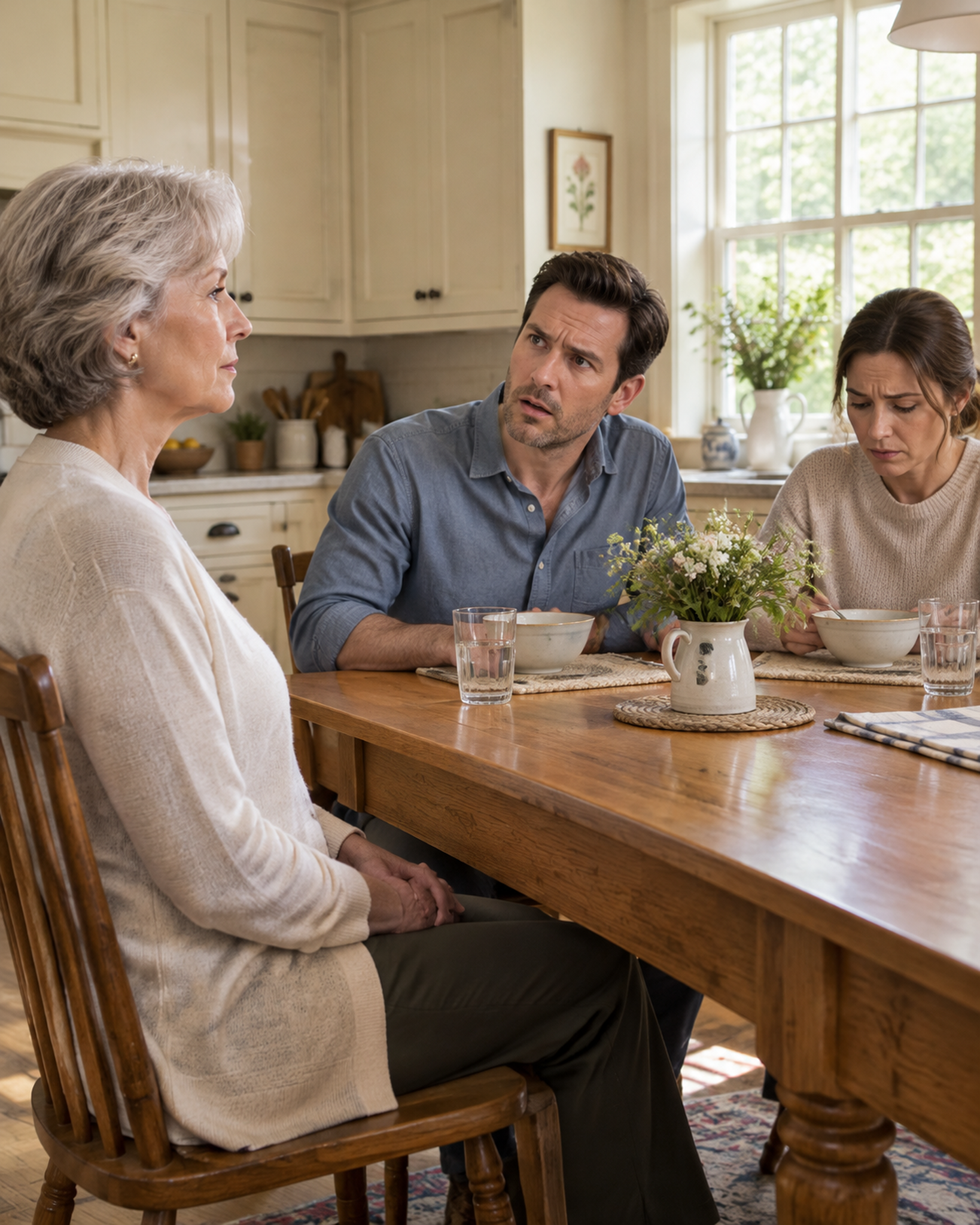
My son questioned my place at my own table, expecting me to let it go—24 hours later, he was loading his belongings into a rental…
A Place at My Own Table My son questioned my place at my own table, expecting me to let it...
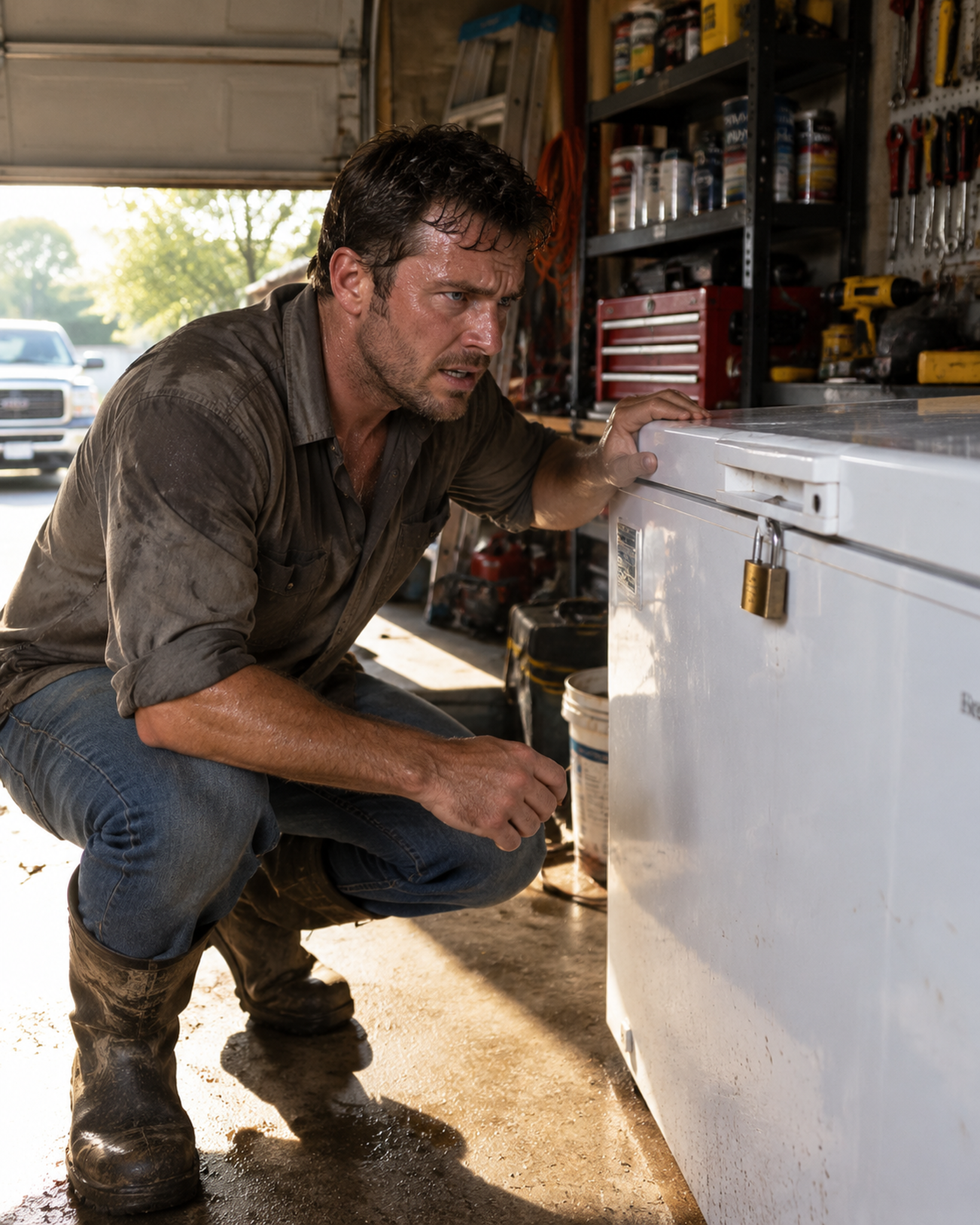
A 7-Year-Old Rode Seven Miles Through 96-Degree Heat to Find His Dad—Then Whispered What Grandma Had Done.
Part 1: A short table first, because it is the quietest thing in this story, and it decides everything. A...
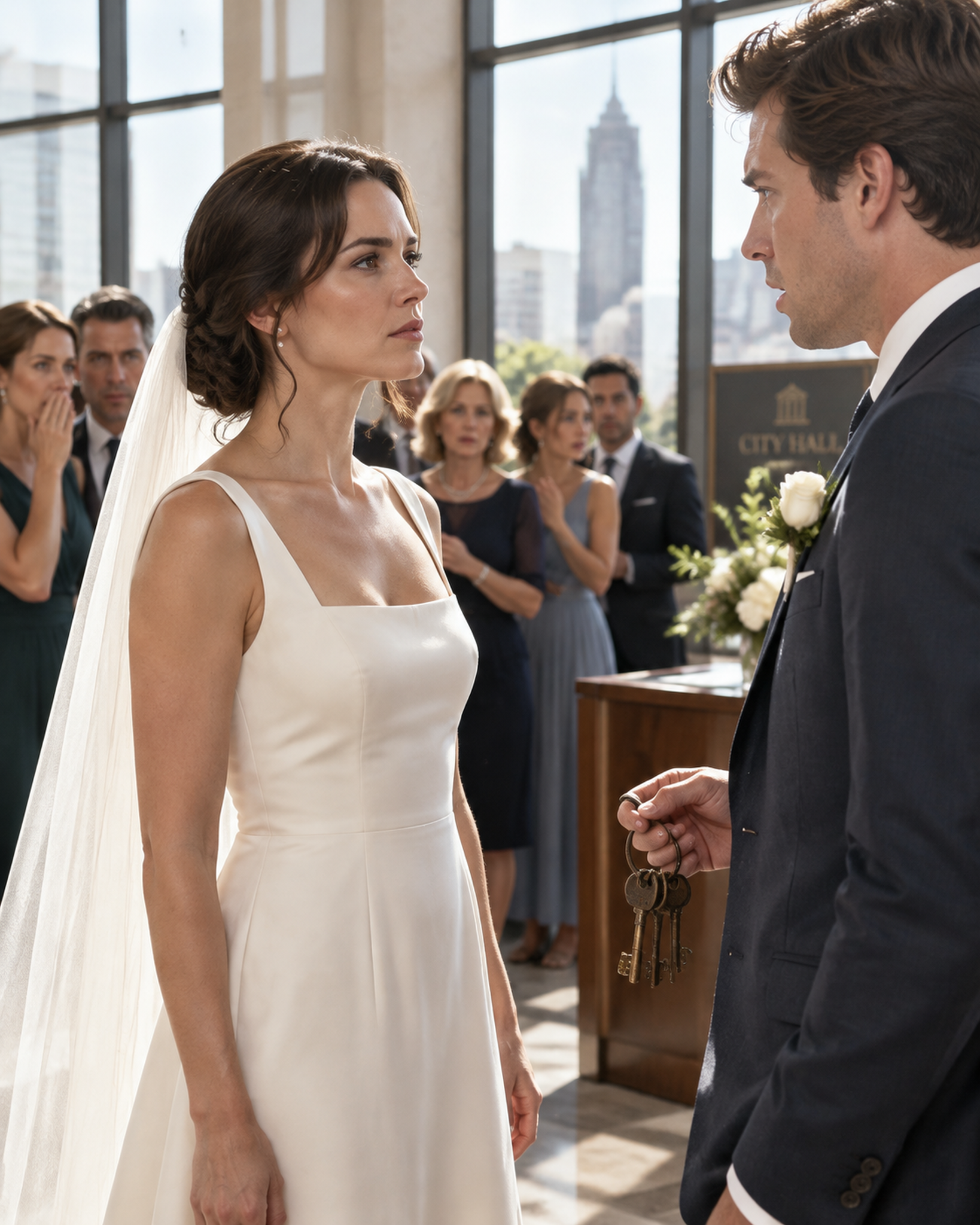
Minutes Before My Wedding, I Heard My Mother-in-Law Reveal Her Plan to Take Over My Condo.
Part 1: At city hall, I heard my mother-in-law whisper to the groom, “After you sign the papers, we head...