MY PARENTS KICKED ME OUT FOR GETTING A JOB—THEN LIED TO THE WHOLE FAMILY ABOUT WHY I LEFT – Life Story
Two months after I turned seventeen, I got my first real job.
My parents responded by throwing me out of the house.
Not because I was failing school.
Not because I was drinking, sneaking out, or getting into trouble.
Not because I had done anything even remotely dangerous.
They kicked me out because my new job meant I would no longer be available every afternoon, evening, weekend, school holiday, and emergency to raise the four children they had chosen to have after me.
And then, when our relatives started asking why their seventeen-year-old daughter was suddenly sleeping at her cousin’s apartment with a backpack full of clothes, my parents did something that hurt almost more than being kicked out.
They lied.
They told everyone I was selfish.
Entitled.
Lazy.
They said I had “nothing to do all day” and had simply decided helping my own family was beneath me.
For years, I had missed birthday parties, canceled plans, let friendships die, rushed through homework, watched my grades slowly slip, and learned how to make four different bedtime routines work at once because my parents needed me.
But according to them, I had never really helped at all.
So I finally told one person the truth.
Unfortunately for my parents, that person was Aunt Barbara.
And Aunt Barbara had never encountered family drama she believed should remain private.
By breakfast the next morning, almost every adult in our extended family knew exactly what my parents had done.
By lunch, my grandmother was furious.
By dinner, my father had called to tell me I was dead to him.
And a few weeks later, after the replacement babysitter they had apparently considered so much better than me quit without warning, my parents suddenly wanted their “ungrateful daughter” back home.
Not because they missed me.
Because four kids under ten were expensive to manage when your free nanny developed a life of her own.
The funny thing is, when all this started, I still thought I was the selfish one.
That was how well they had trained me.
The afternoon I came home with my new work schedule, I was so excited I could barely keep from smiling.
I had been hired at a coffee shop called The Daily Grind, which sounded like the most aggressively generic coffee shop name imaginable, but I didn’t care.
It was a job.
My job.
The manager, Jaime, had hired me for afternoons and some weekends.
The pay wasn’t amazing, but to me it represented something enormous.
College applications were coming.
Application fees cost money.
Books cost money.
Transportation cost money.
Everything seemed to cost money.
And my parents had made one thing very clear for years.
If I wanted to go to college, I was paying for it myself.
So I walked into the kitchen holding my schedule, expecting maybe a distracted congratulations.
My mother was standing at the counter packing snacks into lunch containers for the next day.
My father was scrolling through his phone.
“I got the job,” I said.
Mom looked over.
“What job?”
“The coffee shop.
I told you I interviewed last week.”
There was a pause.
Not a proud pause.
Not a surprised pause.
The kind of pause that happens when someone realizes your decision has created an inconvenience for them.
Then my mother said, “Who’s going to babysit the kids?”
Those were her first words.
Not congratulations.
Not when do you start?
Not are you excited?
Who’s going to babysit our kids?
I stared at her.
“I start Monday.”
My father finally looked up from his phone.
“That doesn’t answer the question.”
I laughed once because I genuinely thought they had to be joking.
They weren’t.
My mother folded her arms.
“Julia, you know the younger kids are home before we get off work.”
“They’re your kids.”
The words came out before I had time to soften them.
Mom’s expression changed.
Dad lowered his phone.
Suddenly the kitchen felt smaller.
“I know they’re my siblings,” I added quickly. “I’m not saying I’ll never help.
I can still help sometimes.
But I need a job.”
“For what?” Mom asked.
I stared at her again.
“For college.”
That should have ended the argument.
At least, I thought it should have.
Instead my parents looked at each other.
Then they laughed.
Actually laughed.
My face burned.
“What?”
My mother shook her head like I was being adorable.
“Oh, Julia.”
“What?”
“You’re seventeen.”
“Exactly.”
“And you think working part-time at a coffee shop is going to pay for college?”
“You said you weren’t paying for it.”
Dad leaned back.
“We said you need to learn responsibility.”
“So that’s what I’m doing.”
“No,” he said. “Responsibility is understanding that you’re part of a family.”
I felt my fingers tighten around my schedule.
“I am part of the family.”
“Then act like it.”
Mom put down the container in her hand.
“You’re a young woman, Julia.
Taking care of children is something you should be grateful to know how to do.”
I couldn’t believe what I was hearing.
“I’ve been taking care of them for years.”
“Exactly.
And you’re good at it.”
“That doesn’t mean it’s my job.”
Her eyes narrowed.
“Family doesn’t need to pay you to help.”
Of course they didn’t pay me.
They never had.
Emma was ten.
Alex was eight.
Then there were the younger two, six and four.
I loved them.
That was what made everything so complicated.
I had learned how Emma liked the crust cut off her sandwiches but only on school days.
I knew Alex couldn’t fall asleep if the closet door was open.
I knew which stuffed animal the six-year-old would scream for if it went missing and exactly how long the youngest needed to be held when she woke up crying.
I knew their teachers.
Their snack preferences.
Their allergies.
Their fears.
Their homework schedules.
I knew those things because for years, I had been the one there.
At first it had been small.
“Watch Emma for twenty minutes.”
Then another baby came.
Then another.
Then another.
Twenty minutes became entire afternoons.
Afternoons became evenings.
Then weekends.
By the time I was fifteen, my friends had stopped inviting me anywhere unless I promised them three times I would actually show up.
Usually, I still didn’t.
Someone would develop a fever.
Someone would have dance practice.
Dad would work late.
Mom would say she was exhausted.
And Julia could handle it.
Julia always handled it.
I looked at them now and said, “Do you know how many things I’ve given up because of babysitting?”
Dad scoffed.
“Oh, here we go.”
“I’ve missed school events.”
“You didn’t need to go to every event.”
“I stopped seeing half my friends.”
“Those friendships obviously weren’t very strong.”
“My grades dropped last semester.”
Mom waved a hand dismissively.
“You still passed.”
Something inside me cracked.
“Well, who’s going to pay my tuition?”
That was when my father smiled in a way that made me feel about six years old.
“That’s your problem.”
“Then this job is how I start solving it.”
His smile vanished.
“You don’t get to be selfish and abandon the family just because you suddenly want spending money.”
“It’s not spending money.”
“Do you know how much babysitters charge for four kids?” he demanded.
I almost laughed.
“That sounds like something the parents of four kids should have thought about.”
Silence.
The second the sentence left my mouth, I knew I had crossed some invisible line.
Dad stood.
“Excuse me?”
My heart was pounding now, but years of swallowed resentment were coming up all at once.
“I said I can still help.
I can give you some money from my paycheck if things are tight.
I can watch them sometimes.
But I’m not quitting my job.”
Mom stared at me.
“You would make us take money from our own daughter?”
“I’m offering.”
“That’s disgusting,” she said.
I blinked.
“How?”
“Because you’re making this transactional.”
I almost couldn’t breathe.
They had spent the last ten minutes calculating what replacing my unpaid labor would cost, but somehow I was the one making family transactional.
Dad pointed toward the stairs.
“If that’s your attitude, then pack.”
I thought I had misheard him.
“What?”
“You heard me.”
Mom didn’t stop him.
That was the part I remember most clearly.
She didn’t say, “Don’t be ridiculous.”
She didn’t say, “She’s seventeen.”
She didn’t say, “That’s our daughter.”
She just stood there.
I looked at her.
“Mom?”
She avoided my eyes.
Dad pointed again.
“If you’re old enough to decide this family doesn’t need you, then you’re old enough to live somewhere else.”
I waited.
Some stupid part of me genuinely waited for one of them to laugh and say they were trying to scare me.
Neither did.
So I rolled my eyes because anger was easier than letting them see what they had just done to me.
“Fine.”
I ran upstairs.
And the moment my bedroom door closed, I started crying.
Not dramatic crying.
Not screaming.
It was worse than that.
My face just collapsed.
I stood in the middle of my room with my hands shaking, staring at the bedspread, the photos on my walls, the pile of schoolbooks on my desk.
For years, I had quietly believed there would eventually be a moment when my parents looked at me and saw what I had done for them.
I thought maybe when I graduated.
Maybe when I went to college.
Maybe when the younger kids grew up.
Someday, surely, they would say, Julia sacrificed a lot for this family.
Thank you.
Instead, the first time I tried to build something for myself, they told me to leave.
I wiped at my face and pulled my backpack from the closet.
Jeans.
Sweatshirts.
Underwear.
Toothbrush.
Charger.
A pair of sneakers.
I stuffed things inside without folding them.
Ten minutes later, Dad shouted from downstairs.
“Are you planning to take all night?”
I looked around the room again.
My eyes landed on a framed photo of the five of us kids at the zoo.
I grabbed it.
Then I walked downstairs carrying everything I could fit into one backpack.
My youngest sister was at a neighbor’s house.
The others were still at an after-school program.
They didn’t even get to say goodbye to me.
Dad grabbed his keys.
“We’re taking you to Megan’s.”
Megan was my cousin, twenty-six, who lived alone in a small apartment about fifteen minutes away.
“You asked her?”
“No.”
Of course he hadn’t.
The car ride felt like a hostage negotiation conducted by people pretending they had done nothing wrong.
“You know Emma’s going to be devastated,” Dad said.
I stared out the window.
“You’re really good with her.”
Nothing.
“No one calms the youngest down like you.”
There it was.
Not we’ll miss you.
Not please reconsider because we love you.
The children will be harder to manage without you.
Mom sniffed beside him.
When I glanced toward her, she was crying.
For one pathetic second, hope surged through me.
Then she said, “I can’t believe we’re going to have to pay somebody.”
I turned back toward the window before either of them saw my face.
And the horrible thing was, I still felt guilty.
What if they were right?
What if wanting a future really was selfish?
What if Emma thought I abandoned her?
What if the little ones cried and no one knew how to settle them?
What if being a good daughter meant giving up more than I wanted to give?
By the time we reached Megan’s apartment, I hated myself almost as much as I hated them.
Dad stopped at the curb.
He didn’t get out.
Neither did Mom.
I opened the door.
“Julia,” Mom said.
I looked back.
For one final second, I thought she would say something that mattered.
“Think about what you’re doing.”
I stared at her.
Then I got out.
They drove away before Megan even reached the sidewalk.
She opened the building door wearing pajama pants, an oversized college sweatshirt, and the most genuinely happy expression I had seen all day.
“Julia?”
Then she noticed the backpack.
Her smile disappeared.
“What happened?”
I tried to answer.
Instead, I started crying.
Megan pulled me into the apartment and sat me on the couch.
“What happened? Are you okay? Did someone hurt you?”
I shook my head.
“No.
I just…”
She brought me water.
Then she said something that made my anger snap back instantly.
“My love, whatever happened, maybe you can just help your parents out a little.”
I looked at her.
“What?”
She seemed confused.
“They said you’d been refusing to help around the house.”
My stomach dropped.
“What exactly did they tell you?”
“That you got a job because you wanted extra spending money and decided you shouldn’t have to help with the kids anymore.”
I stood so fast I nearly knocked over the water.
“I have been helping!”
Megan flinched.
“I know—”
“No, you don’t.”
The words poured out.
“I’ve missed parties.
I’ve missed study groups.
I turned down a summer program last year because Mom said childcare would be too expensive.
I stopped playing soccer because practice interfered with pickups.
My grades dropped because I’m doing homework at midnight after putting four kids to bed.”
Megan stared at me.
I was crying again, but now I couldn’t stop.
“I got a job because they told me they won’t pay for college.
I offered them part of my paycheck.
They told me if I wouldn’t keep babysitting whenever they needed, I should get out.”
Megan’s face went completely still.
“What?”
“They kicked me out.”
“They told me you demanded to move out.”
I actually laughed.
It sounded broken.
“Of course they did.”
She stood.
Then hugged me so tightly I could barely breathe.
“You’re staying here.”
I shook my head.
“I don’t want to mess up your life.”
“You’re staying.”
“Megan—”
“You are seventeen years old, Julia.”
Her voice shook.
“You should not have to earn the right to have a bedroom.”
That sentence destroyed me.
I cried into her shoulder until my head hurt.
Then I cried some more.
Eventually exhaustion won.
Megan gave me her bed and said she would sleep on the couch, but I refused, so she set me up in the little guest room she used for storage.
I fell asleep in my clothes.
A few hours later, shouting woke me.
At first I thought I was dreaming.
Then I realized it was Megan.
Megan almost never shouted.
Even as kids, she had been the cousin who apologized when someone else bumped into her.
But now she was in the next room saying, “No.
Absolutely not.”
Pause.
“I don’t care what you think she owes you.”
Another pause.
Then louder.
“She is seventeen!”
I sat upright.
My parents.
She had called them.
I couldn’t hear everything, but I heard enough.
“You told me she had nothing to do all day.”
Pause.
“School is something to do!”
Another pause.
“No, you don’t get to rewrite this because people might judge you.”
I felt something strange spread through my chest.
Relief.
Someone was fighting for me.
Not because I was useful.
Not because they needed childcare.
Just because what happened to me was wrong.
Finally Megan said, “If you want to be angry, be angry with me.
She’s staying here tonight.”
Then she hung up.
I heard her muttering.
I lay back down and closed my eyes when she stepped into the guest room.
She apparently thought I was asleep.
She stood in the doorway for a moment.
Then she whispered, mostly to herself, “You deserved so much better.”
My throat tightened.
She sighed.
“And apparently they already had someone who said she could watch the kids temporarily anyway.
So they threw you out when they weren’t even desperate.”
My eyes opened.
Megan didn’t notice.
“They just wanted control,” she murmured.
Then she walked away.
I stared at the ceiling.
Something inside me changed that night.
Until then, I had been trying to understand my parents.
Trying to excuse them.
Trying to figure out how I could make this easier for everybody.
But Megan had just said the sentence I needed someone else to say first.
I deserved better.
And if my parents were going to tell people I was an entitled teenager who abandoned them for fun, then maybe those people deserved to hear my side.
Every family has one relative who knows everything.
Ours was Aunt Barbara.
Barbara was my mother’s older sister, and gossip was basically her cardio.
She knew who had debt.
Who had affairs.
Who secretly hated whose casserole.
Who was fighting with their adult children.
Who had borrowed money and never returned it.
If a secret entered Barbara’s orbit, it did not remain a secret.
At 11:42 that night, I opened our text thread.
Then I started typing.
I told her everything.
The babysitting.
The missed events.
The college conversation.
The job.
My parents laughing.
Dad telling me to pack.
Mom crying over the cost of childcare.
The drive to Megan’s.
The lies.
Everything.
By the time I finished, the message was absurdly long.
Over a thousand words.
My thumb hovered above Send.
I knew exactly what kind of grenade I was holding.
Then I thought about my mother telling Megan I had “nothing to do all day.”
I pressed Send.
A minute later Barbara replied.
Are you serious?
I wrote:
Yes.
Please don’t make this worse.
I just needed somebody to know.
Three dots appeared.
Then:
Sweetheart, go to sleep.
That response should have worried me much more than it did.
I turned off my phone.
The next morning, I waited almost fifteen minutes before turning it back on.
When the screen lit up, I almost dropped it.
Forty-seven notifications.
Then more started arriving.
Family group chat.
Texts.
Missed calls.
Barbara had taken my enormous private message and forwarded practically the entire thing to the extended family before breakfast.
My soul left my body.
“Oh my God.”
Megan looked up from the kitchen.
“What?”
“Aunt Barbara.”
Her eyes widened.
“What did she do?”
I turned the screen toward her.
Megan read two messages.
Then snorted.
“Of course she did.”
“This isn’t funny.”
“It’s a little funny.”
“Megan!”
“Okay, sorry.”
She sat beside me.
The family was divided.
Some people defended my parents.
One cousin wrote that teenagers were dramatic and there were probably “two sides.”
Another relative said children should help their families.
Then Uncle Joseph entered the chat.
He was Mom’s younger brother.
His message was long.
There is a difference between helping your family and being used as unpaid childcare so extensively that it interferes with school.
She is seventeen.
If she needs to work because you told her she’s responsible for paying for college, punishing her for working makes absolutely no sense.
Then Grandma Elizabeth replied.
That message silenced nearly everybody.
I raised my children better than this.
I read it three times.
Megan rested her chin on my shoulder.
“Well.”
My eyes filled again.
“Why does that make me want to cry?”
“Because somebody believes you.”
I swallowed.
“What happens now?”
My phone started ringing.
DAD.
My stomach twisted.
Megan saw the screen.
“You don’t have to answer.”
“Yes, I do.”
“No, you don’t.”
“If I don’t, he’ll keep calling.”
My hands were shaking when I accepted.
“Hello?”
“What the hell do you think you’re doing?”
Dad’s voice exploded through the speaker.
I pulled the phone away.
Megan could hear him from two feet away.
“You humiliated us in front of the entire family!”
“I didn’t tell Barbara to send it to everyone.”
“You knew exactly what would happen.”
“I didn’t.”
“You little liar.”
My chest tightened.
“I told the truth.”
That sentence changed the call.
Dad went quiet for half a second.
Then colder.
“You think you can disrespect us like this after everything we’ve done for you?”
I almost laughed.
Instead, tears slid down my face.
“You kicked me out.”
“Because you abandoned your responsibilities.”
“They’re not my children!”
He started shouting again.
Then Mom’s voice appeared in the background.
“Give me the phone.”
A second later she was there.
Her tone was worse than Dad’s yelling.
Calm.
Cold.
“Julia, you have made your choice.”
I said nothing.
“Don’t expect anything from us anymore.
No college money.
No phone bill.
Nothing.”
“You already said you weren’t paying for college.”
Silence.
That clearly wasn’t the response she wanted.
“What about my things?” I asked.
“You took what you needed.”
“No, I took one backpack.”
“Then pick the rest up before the weekend.
Anything still here after that gets donated.”
My throat closed.
“What about seeing the kids?”
She didn’t answer immediately.
Then she said, “Maybe you should have thought about your siblings before publicly attacking their parents.”
The call ended.
I sat there holding the phone.
Megan took it gently from my hand.
“Well,” she said, “that sounded healthy.”
I laughed despite myself.
Then cried again.
The next morning, Megan called in sick.
“We’re getting your stuff.”
“What if they’re home?”
“They’re at work.”
“What if they changed the locks?”
“You still have a key.”
“What if—”
“Julia.”
I stopped.
“You are getting your belongings.”
The house looked exactly the same.
That was the strangest part.
My whole life had imploded, but there were still shoes by the entrance.
A cereal bowl in the sink.
One of Alex’s drawings attached to the refrigerator.
I stood in the hallway holding my old key.
For the first time, my childhood home didn’t feel like home.
It felt like somewhere I was trespassing.
I went upstairs.
Most of my room was untouched.
I packed books, clothes, my laptop, school papers, photos.
I took the picture of my siblings from the zoo.
Then another.
And another.
I left trophies behind.
Posters.
Cheap decorations.
Things that suddenly seemed less important than the evidence that my siblings and I had once been happy in the same place.
Megan disappeared into Dad’s office.
I didn’t notice until she came back carrying a folder.
“What’s that?”
“Your documents.”
Inside were my birth certificate, Social Security card, school records, insurance information, and several other papers I hadn’t thought to take.
“You’ll need them.”
I nodded.
Then noticed something else.
A credit card.
“Megan.”
She glanced at it.
“It was in the folder.”
“Put it back.”
“They owe you.”
“Megan.”
“Julia, you have fifty dollars.”
“That doesn’t make their credit card mine.”
She sighed.
“Fine.
We’ll talk about it later.”
Unfortunately, “later” turned into a bad decision.
I needed work clothes.
My phone was still tied to my parents’ family account.
I needed toiletries, school supplies, transportation.
Megan argued that we could put the bare minimum on the emergency card and repay it once my paycheck came.
I knew it was a terrible idea.
I agreed anyway.
We spent a little over two hundred dollars.
Three plain black work shirts.
Two pairs of pants.
A prepaid phone.
Shampoo.
Soap.
Some school supplies.
Nothing fun.
Nothing extravagant.
I still felt sick afterward.
“I’m paying all of this back,” I told Megan.
“I know.”
“No arguments.”
“Fine.”
“And we return the card.”
“Fine.”
That Monday was my first shift at The Daily Grind.
Jaime trained me on the register first.
I typed one order wrong.
Nearly dropped a cup.
Forgot someone’s extra shot.
And discovered the espresso machine was apparently designed by engineers who hated teenagers.
But no one screamed at me.
No one told me my future didn’t matter.
When I made a mistake, Jaime simply said, “You’re new.
You’ll learn.”
It was almost unsettling.
Halfway through the shift, an older customer left a five-dollar bill in the tip jar.
I stared at it.
Money I had helped earn.
For the first time in years, effort felt connected to my own future.
When I returned to Megan’s apartment, I had three calls from an unknown number.
I almost ignored them.
Then it rang again.
“Hello?”
“Julia?”
I froze.
“Emma?”
My ten-year-old sister started crying.
“Where are you?”
I sat down.
“How did you get this number?”
“Alex had it written down.
I’m using his iPad.”
“Emma—”
“Are you ever coming back?”
My heart broke.
“I’m still here.”
“Mom said you don’t want to live with us.”
“That’s not what happened.”
“Did we do something?”
“No.”
I said it so quickly she went quiet.
“No, Em.
Never.
None of this is because of you.”
“Then why did you leave?”
How do you explain to a ten-year-old that the adults responsible for both of you were using one child to raise the others?
“You know how I got that coffee job?”
“Yeah.”
“I need to work and I need time for school.
Mom and Dad and I had a fight about it.”
“Because you watch us.”
I closed my eyes.
Children always know more than adults think they do.
“I love watching you sometimes.”
“But not all the time.”
The fact that she understood made me want to cry.
“Right.”
She sniffed.
“The little ones miss you.”
“I miss them too.”
“Can you visit?”
“I’m going to try.”
“Promise?”
I hesitated.
Then said, “Promise.”
After the call, I cried in Megan’s kitchen.
Again.
For the next week, life became mechanical.
School.
Work.
Homework.
Sleep.
Repeat.
I was exhausted, but the exhaustion felt different.
At least now I was tired because I was building something.
Then Aunt Barbara invited me to Sunday dinner.
I almost said no.
Megan convinced me.
“If it gets weird, we leave.”
Grandma Elizabeth hugged me before I had both feet through the door.
It was not a polite hug.
It was the kind where someone pulls you in like they’re trying to make up for all the hugs you should have received from somebody else.
“Oh, sweetheart.”
I immediately cried.
Again.
Apparently crying was my personality now.
Grandpa stood behind her, looking uncomfortable with emotion the way men from his generation often do.
He squeezed my shoulder.
“Good to see you, kid.”
Dinner surprised me.
No interrogation.
No forced family therapy.
No one demanded that I forgive my parents.
They asked about school.
The coffee shop.
College.
Normal things.
Before we left, Grandpa slid an envelope into my hand.
“What’s this?”
“For later.”
I opened it in Megan’s car.
Five hundred dollars.
I called him immediately.
“Grandpa, no.”
“Yes.”
“This is too much.”
“No.”
“I’m giving it back.”
“No.”
“You can’t just keep saying no.”
“Watch me.”
Megan laughed from the driver’s seat.
Grandpa continued, “Open your own bank account.
Pay for your phone.
Put the rest away.”
“I’ll pay you back.”
“You’ll do no such thing.”
Then he hung up.
Within the week I had a phone plan under my own name and a bank account my parents could not access.
For the first time, I began to believe maybe I could actually survive this.
Then I came home one afternoon and found Megan sitting at the kitchen table.
“We need to talk.”
My stomach dropped.
Those four words had never brought anything good into my life.
“Are you kicking me out?”
Her face softened.
“No.”
I exhaled.
“Then what?”
“Your mother called.”
The relief vanished.
“They noticed the credit card charges.”
I sat down slowly.
“Oh.”
“She threatened to report the card stolen unless it’s returned and the money is repaid.”
My face went cold.
“I told you.”
“I know.”
“Could we get arrested?”
“I don’t think your parents actually want that.”
“You don’t know that.”
“You’re right.”
That scared me more.
Then Megan continued.
“But there’s more.”
Of course there was.
“Your mom says they want you home.”
I actually stared at her.
“What?”
“They want you to come back.”
My heart did something pathetic.
A tiny leap.
They missed me.
Then Megan’s mouth tightened.
“The replacement babysitter quit.”
The little hopeful feeling died so quickly it was almost embarrassing.
“Oh.”
“Apparently she lasted about a week.”
I started laughing.
Not because it was funny.
Because the alternative was crying.
“They don’t want me.”
Megan said nothing.
“They want childcare.”
“Julia…”
“Did they even ask how I was?”
She looked away.
That answered the question.
I wiped at my eyes.
“No.”
“What?”
“I’m not going back.”
Megan nodded.
“I already told them you weren’t going to.”
“I’ll repay the card.
Every dollar.”
“They mentioned small claims court.”
That phrase terrified me.
The next day I could barely focus in class.
At lunch, my friend Casey finally cornered me.
“You look like you haven’t slept in a year.”
“Close.”
She dragged me outside.
I told her everything.
When I finished, Casey stared at me like I had described escaping a cult.
“Julia, you’re seventeen.”
“I know.”
“No, I mean legally.
You’re still a minor.”
“Obviously.”
“Your parents can’t just throw you out because you got a job.”
“I’m staying with Megan.”
“That doesn’t make what they did normal.”
Casey’s mother was an attorney.
That afternoon, despite my embarrassment, I sat in Mrs.
Thompson’s living room explaining my entire family situation.
She listened.
Really listened.
Then asked dates.
Who said what?
Who witnessed it?
Where had I been living?
Did my parents know?
Did they provide financial support?
I suddenly felt like my chaotic life had become a file.
Finally she folded her hands.
“Julia, I’m not giving you formal legal representation here.
But as a general matter, your parents still have responsibilities toward you.
You are not simply an adult tenant they can remove because childcare arrangements became inconvenient.”
I stared at her.
She explained that there were several possible paths depending on local rules and what I wanted.
Emancipation.
Formal involvement from child services.
Or, potentially, having a relative seek guardianship or another arrangement that would let me stay somewhere safe while keeping school stable.
The last option sounded least terrifying.
“I don’t want my siblings taken away.”
“No one is saying that automatically happens.”
“But could it?”
“Every situation is different.”
My chest tightened.
Mrs.
Thompson softened.
“You don’t have to decide everything tonight.”
When I got back to Megan’s, my grandparents were waiting.
Grandma patted the couch.
“Come sit.”
I immediately thought someone had died.
Then Grandpa said, “We have a proposal.”
They wanted me to live with them.
Their house was thirty minutes away.
There was space.
They could help with transportation.
I could cut my work hours.
Finish school.
Apply to college.
For the first time in weeks, the future sounded manageable.
Then Grandma added, “We already spoke with your parents.”
I tensed.
“What did they say?”
“They agreed.”
That surprised me.
“Seriously?”
Grandpa’s jaw tightened.
“With conditions.”
Of course.
They wanted me to visit on weekends.
They claimed it was for my relationship with my siblings.
I knew babysitting would be involved.
Still, one day a week was better than every day.
And I desperately missed the kids.
So I agreed.
My grandparents turned their old office into a bedroom.
Twin bed.
Desk.
Bookshelf.
New curtains.
Grandma apologized because the room was “small.”
I nearly cried when she said that.
The room had a door.
A desk where I could study.
A bed no one could threaten to take away because I wanted a future.
To me, it felt enormous.
My first Saturday visit back home was terrifying.
Grandma parked at the curb.
“I’ll be here at six.”
“Exactly?”
“Exactly.”
The front door flew open before I reached it.
Emma ran first.
Then Alex.
Then the younger two.
For several seconds I disappeared under a pile of small arms and loud voices.
My parents watched from the doorway.
Mom’s face revealed nothing.
Dad looked tired.
Really tired.
I spent the day with my siblings.
Homework.
Games.
Lunch.
A movie.
It felt almost normal.
Until Mom cornered me in the kitchen.
I was making sandwiches.
“So,” she said, “too good to live here now?”
I kept spreading peanut butter.
“No.”
“But living off your grandparents is fine?”
“I’m finishing high school.”
“You were never going to be homeless, Julia.”
My hand stopped.
“You kicked me out.”
“You always had relatives.”
I turned toward her.
She genuinely seemed to believe that distinction mattered.
“You told me to pack.”
“You were being impossible.”
“So your solution was to remove your seventeen-year-old daughter from the house.”
She rolled her eyes.
“You make everything sound so dramatic.”
I realized something then.
There was no sentence I could say that would make her understand something she was determined not to understand.
So I stopped trying.
At six sharp, Grandma arrived.
As I walked outside, Mom called after me.
“Don’t forget the money.”
I turned.
“What money?”
“The money you owe us.”
I stared at her.
“For the credit card.”
Grandma heard from the car.
Mom added, “Five hundred should cover everything.”
“It was barely over two hundred.”
“Then consider the rest a lesson.”
I didn’t argue.
I got into the car.
Halfway home, Grandma said, “Your mother has always had a remarkable memory for money other people owe her.”
I looked over.
“She’s apparently forgotten five years of free nanny service.”
That was the first openly critical thing Grandma had ever said about Mom.
I smiled.
Things changed quickly after I moved in with my grandparents.
I cut back at The Daily Grind.
My grades improved almost immediately.
I slept more.
My English teacher, Mrs.
Rodriguez, noticed.
One afternoon she stopped me after class.
She held up an essay I had written about family roles and expectations.
“This is good.”
“Thanks.”
“No, Julia.
This is very good.”
I didn’t know how to respond.
“Have you been looking at scholarships?”
“Not really.”
“You should.”
She gave me a list.
Some were merit-based.
Some considered hardship or adversity.
One required a personal essay.
Mrs.
Rodriguez offered to review my applications.
For the first time since being kicked out, college stopped feeling like an impossible fantasy.
I applied everywhere I could.
State University.
Two smaller public colleges.
A university near the city.
Dozens of scholarships.
Grandpa helped me make spreadsheets.
Grandma drove me to campus tours.
Mrs.
Rodriguez tore apart my essays and made me rewrite them until every sentence sounded like me instead of what I thought scholarship committees wanted.
My parents showed almost no interest.
One Saturday Dad saw an application open on my laptop.
He laughed.
“College again?”
“Yes.”
“Waste of money.”
I kept typing.
“You should be saving for an apartment instead of living off your grandparents.”
“I’m applying for scholarships.”
“We’re not paying a cent.”
“I know.”
That answer irritated him.
He wanted me scared.
I wasn’t anymore.
“You think you’re too good for honest work now?”
I looked at my coffee shop uniform hanging over a chair.
“I literally have a job.”
He muttered something and left.
In April, I received my first college acceptance.
State University.
Partial scholarship.
I screamed so loudly Grandma thought I had hurt myself.
We celebrated with grocery-store cupcakes.
The scholarship helped.
But it didn’t cover everything.
Housing.
Meals.
Fees.
Books.
There was still a gap.
Then I became a finalist for a major statewide merit scholarship.
Full tuition.
Four years.
Any public university in the state.
I read the email six times.
My finalist interview was the following week.
Grandma bought me a navy blazer.
Grandpa practiced questions with me.
“What do you want to study?”
“Child psychology.”
“Why?”
I hesitated.
Then answered honestly.
“Because I think kids deserve adults who understand what’s happening to them.”
Grandpa went quiet.
“That’s your answer.”
The interview terrified me.
Five adults behind a conference table.
Questions about school.
Work.
My essay.
Leadership.
Adversity.
I did not tell them my parents were monsters.
Because they weren’t.
That would have been easier.
I told them something more complicated.
I loved my family.
And sometimes people can love each other while still doing enormous damage.
I explained that I had spent years confusing usefulness with worth.
That getting kicked out had forced me to understand the difference.
When I left, my legs shook.
Two weeks later, on a rainy Tuesday, my phone pinged while I was doing homework.
Scholarship Decision.
Grandma saw my expression.
“What?”
I opened it.
My eyes caught one word.
Congratulations.
I screamed.
Grandma screamed because I screamed.
Then I started crying.
She read the email over my shoulder.
Full tuition.
Four years.
State University.
Grandpa came running in from the garage holding a screwdriver.
“What happened?”
Grandma shouted, “She got it!”
He froze.
Then the biggest smile I had ever seen spread across his face.
That night we celebrated.
Megan brought cake.
Casey brought balloons.
Mrs.
Rodriguez came with a leather journal.
Grandma took approximately nine thousand pictures.
Eventually someone asked, “Have you told your parents?”
I hadn’t.
So I called.
Mom answered.
“I got the scholarship.”
Pause.
“The big one?”
“Yes.”
Another pause.
“Well.”
My stomach tightened.
Then she said, “I guess all that studying paid off.”
It was hardly an emotional declaration of pride.
But it also wasn’t an insult.
I smiled.
“Yeah.”
“Does that mean you’ll definitely move away?”
“Probably.
State is my top choice.”
“The kids will miss you.”
“I’ll visit.”
Then she said something so quietly I almost missed it.
“We all will.”
I sat on my bed for a long time afterward.
My parents hadn’t transformed.
But something was shifting.
Slowly.
Awkwardly.
As spring moved toward graduation, Mom started asking occasional questions about school.
Dad stopped making comments every single weekend.
Some visits were almost peaceful.
Then one Saturday in May, Mom asked me to come into the kitchen.
Instantly, every muscle in my body tightened.
She made coffee without looking at me.
“Your father and I were talking about your graduation.”
I waited.
“We want to have a party here.”
I blinked.
“A party?”
“After the ceremony.”
“Why?”
The word came out before I could stop it.
Mom actually looked hurt.
“Because you’re graduating.”
I said nothing.
“And because we’re proud of you.”
That sentence felt almost suspicious.
Then Dad entered.
“Your mom tell you?”
“Yeah.”
“Grandma and Grandpa can come.
Megan too.
Barbara.
Joseph.”
I stared at him.
These were the people who had defended me against them.
Now my parents wanted them in the house.
That evening I told Grandma.
She smiled knowingly.
“What?”
“Barbara visited your mother last week.”
“Oh no.”
Grandpa laughed.
“Oh yes.”
“What did she say?”
“No idea.”
That was impossible.
Everyone knew Barbara never had a private conversation without at least three people eventually hearing the summary.
Grandma finally admitted, “She told your mother she was going to lose you permanently if she didn’t stop trying to win every argument.”
That sounded like Barbara.
“Do you think the party is a trap?”
Grandpa raised an eyebrow.
“Not everything is a trap.”
“Most conversations with my parents are.”
“Fair.”
He leaned back.
“But sometimes people realize they were wrong.”
I wanted to believe him.
So I agreed to the party.
Graduation arrived in June.
Beautiful weather.
Blue sky.
Warm breeze.
Grandma made blueberry pancakes.
Grandpa took photos until I threatened to confiscate his phone.
My cap said:
NEVERTHELESS, SHE PERSISTED.
It felt dramatic.
It also felt accurate.
When we reached the school, I saw my parents’ car.
Four small faces were pressed against the windows.
Emma waved so hard I thought her arm might detach.
I waved back.
For a second, everything complicated disappeared.
They were my siblings.
They loved me.
I loved them.
That part had always been simple.
The auditorium was packed.
When my name was called, I heard screaming from multiple directions.
My siblings.
Megan.
Grandma.
Grandpa’s whistle.
And, somewhere under all of it, my mother’s voice.
Afterward came pictures.
Flowers.
Hugs.
Emma wrapped herself around my waist.
The youngest stole my cap twice.
Dad put his hand on my shoulder for a photo.
Mom fixed my hair.
We looked, from the outside, like any happy American family celebrating graduation.
Maybe that was why the moment hurt and healed at the same time.
Because I finally understood that photographs could be real without telling the whole truth.
We drove back to my parents’ house.
Balloons were tied to the mailbox.
A banner stretched across the porch.
Inside was food.
Cake.
Relatives.
Aunt Barbara nearly broke my ribs hugging me.
Uncle Joseph gave me cash and whispered, “Don’t tell your aunt how much.”
Mrs.
Thompson stopped by.
Megan stayed near me at first, clearly ready to intervene if my parents started anything.
They didn’t.
Not once.
No babysitting jokes.
No comments about college being useless.
No guilt.
After cake, Mom called everyone into the living room.
“We have one more gift.”
She handed me a small box.
Inside was a house key.
I stared at it.
“I already have a key.”
Dad cleared his throat.
“Not after we changed the locks.”
Right.
I had forgotten.
Mom continued, “This is your new one.”
I still didn’t understand.
“We want you to know you have a home here.”
Nobody spoke.
Dad looked deeply uncomfortable.
Then he did something I had stopped believing he was capable of.
“We screwed up.”
I looked at him.
His face was red.
“When you got the job.”
My heart began beating faster.
“We shouldn’t have kicked you out.”
The room became completely still.
Mom looked down.
“We were angry because losing your help made things harder for us.”
Help.
Not obligation.
Not responsibility.
Help.
The distinction mattered.
“And instead of admitting that,” she said, “we acted like you were doing something wrong.”
I couldn’t move.
Dad rubbed the back of his neck.
“We also told people things that weren’t completely true.”
Aunt Barbara made a noise.
Mom shot her a look.
Barbara raised both hands.
“I didn’t say anything.”
Everyone almost laughed.
Then Mom looked back at me.
“We took advantage of you, Julia.”
There it was.
The sentence I had been waiting years to hear.
My eyes filled.
Dad continued, “Your aunt explained some things.”
Barbara muttered, “Loudly.”
Grandma elbowed her.
Mom almost smiled.
“We should have been supporting you.
Not making you responsible for everything.”
I looked down at the key.
“What about the kids?”
“We hired a real sitter,” Dad said.
“A paid one?”
He sighed.
“Yes, Julia.
A paid one.”
I laughed through tears.
“Does she know what she’s getting into?”
That made everyone laugh.
Even Dad.
Mom stepped closer.
“We’re sorry.”
I could have made them suffer.
There were a hundred things I could have said.
I could have reminded them about the nights I did homework after midnight.
The soccer team I quit.
The friends I lost.
The afternoon they drove away from Megan’s without saying goodbye.
Dad telling me I was dead to him.
Mom threatening to donate my belongings.
The phone call where they only wanted me home because their new sitter quit.
One apology could not erase any of that.
And I knew it.
But forgiveness and forgetting weren’t the same thing.
“Thank you,” I said.
Mom looked uncertain.
“Is that…?”
“It’s a start.”
She nodded.
“A start.”
The party continued.
Later, Grandma pulled me aside.
“Your parents called us last week.”
“Why?”
“They asked if there were any college expenses your scholarship didn’t cover.”
I stared at her.
“They want to help.”
My first instinct was suspicion.
“What do they want?”
Grandma smiled sadly.
“Maybe nothing.”
I didn’t answer.
“Julia, people can change.
Sometimes slowly.
Sometimes only after they almost lose something important.”
“Do you trust them?”
“I trust what they do more than what they say.”
That sounded like good advice.
After everyone left, I stood in the kitchen with my parents.
For once, no one seemed to know what role to play.
Mom washed plates.
Dad put leftovers into containers.
I leaned against the counter.
“So,” Mom said, “State University.”
“Yep.”
“Orientation in July?”
“Yeah.”
“Thompson Hall?”
I looked at Dad.
“How do you know?”
He shrugged.
“I looked it up.”
I was strangely touched.
“It’s near the library.”
“I saw.”
“You looked at a campus map?”
He became defensive.
“I wanted to know where my daughter is going to live.”
My daughter.
Not babysitter.
Not helper.
Not problem.
Daughter.
Mom turned off the sink.
“If you wanted to move back here for the summer, you could.”
My entire body instinctively wanted to say no.
Then she added quickly, “No babysitting requirement.”
I raised an eyebrow.
She actually laughed.
“You can help if you want.
Or don’t.”
Dad nodded.
“We mean it.”
I thought about my bedroom upstairs.
My grandparents’ home.
Emma.
Alex.
The little ones.
The coffee shop.
The garden Grandma wanted help with.
“I promised Grandma I’d spend time helping her this summer.”
Mom nodded.
“Okay.”
“But maybe I could stay here some nights.”
Her face softened.
“We’d like that.”
I refused to promise more.
That mattered too.
A few minutes later Megan texted that she was outside.
I gathered some graduation gifts.
Mom hugged me at the door.
Not because relatives were watching.
Not because she needed me to cook dinner.
She just hugged me.
Dad patted my shoulder.
Then apparently decided that was too awkward and pulled me into a one-armed hug instead.
“Congratulations.”
“Thanks.”
“We really are proud of you,” Mom said.
I believed her.
Not completely.
Not blindly.
But enough.
As Megan drove me back to my grandparents’ house, I held the key in my palm.
Streetlights flashed across it.
“You okay?” Megan asked.
“I think so.”
“That was weird.”
“So weird.”
“Your dad apologized.”
“I know.”
“Like, actual words.”
“I know.”
“Should we check for aliens?”
I laughed.
Then looked out the window.
A few months earlier, I had left that house with one backpack and the certainty that I had somehow failed my family.
Now I was graduating near the top of my class.
I had a full scholarship.
A job.
A bank account.
A grandmother who fought for me.
A grandfather who refused repayment.
A cousin who gave me a room when I had nowhere to go.
A teacher who saw talent in me before I saw it in myself.
Friends who dragged me toward help when I was too embarrassed to ask.
And four younger siblings who had never once stopped loving me.
I had spent so many years measuring my value by how useful I was to other people.
How many lunches I packed.
How quickly I could quiet a crying child.
How many plans I canceled without complaining.
How much of myself I could give away before anyone noticed I was running out.
Getting kicked out had felt like proof that I was worthless without that usefulness.
Instead, it became the first moment of my life when I had to discover who I was without it.
I was a student.
A writer.
A future college freshman.
A sister.
A granddaughter.
A friend.
A young woman allowed to build a life that belonged to her.
And yes, I was still my parents’ daughter.
But being their daughter no longer meant being their employee.
Their backup plan.
Their unpaid nanny.
Love was not supposed to require me to disappear.
That summer, I did split my time between both houses.
I helped Grandma in her garden.
Worked at The Daily Grind.
Bought college supplies with my own money.
And sometimes, on Friday nights, I went back to my parents’ house.
Not because I had to.
Because I chose to.
The first Friday I stayed overnight, I came downstairs Saturday morning and found a woman named Renee helping the younger kids with breakfast.
She was in her forties, cheerful, experienced, and very clearly being paid.
Mom introduced us.
“This is Julia.”
Renee smiled.
“I’ve heard a lot about you.”
I looked at Mom suspiciously.
“Good things,” Mom said quickly.
Renee laughed.
Later, when the youngest asked me to play with blocks, I sat on the floor voluntarily.
Twenty minutes later, I stood.
“I’m going out with Casey.”
Mom was in the kitchen.
For years, that sentence would have triggered negotiation.
Guilt.
A childcare calculation.
Instead she said, “Have fun.”
I waited.
Nothing else came.
No, but first.
No, what about the kids?
No, family comes before friends.
Just:
Have fun.
I nearly cried in the driveway.
College move-in day came faster than I expected.
August heat shimmered above the parking lots at State University.
Grandpa complained about the stairs.
Grandma reorganized my closet three times.
Emma claimed my roommate’s desk chair and refused to move.
Alex wanted to inspect every vending machine in the building.
My parents carried boxes.
Actual boxes.
No arguing.
No guilt.
Mom made my bed even though Grandma immediately redid it.
Dad helped assemble a cheap bookshelf.
At one point I stood in the middle of my dorm and watched everyone moving around me.
The room was small.
Two beds.
Two desks.
White walls.
A narrow window looking toward the quad.
To me, it was beautiful.
It was mine.
Eventually it was time for everyone to leave.
My siblings hugged me first.
Emma cried.
That made me cry.
Then the younger ones cried because Emma was crying.
Alex pretended he wasn’t crying and wiped his face on his sleeve.
Mom hugged me.
“Call.”
“I will.”
“Not just when you need something.”
“I know.”
Then Dad hugged me.
A real hug this time.
“I’m proud of you.”
I froze for half a second.
Then hugged him back.
“Thanks, Dad.”
Grandma waited until everyone else started toward the hallway.
She took my face between both hands.
“Remember something.”
“What?”
“You never have to earn your place in a family.”
My eyes filled instantly.
“Grandma…”
“I mean it.”
She kissed my forehead.
Then left.
I stood in the doorway until they disappeared around the corner.
My new roommate hadn’t arrived yet.
For the first time in my life, I was completely alone in a room that belonged to my future instead of my past.
I sat on the edge of the bed.
My phone buzzed.
A family group chat.
Mom had posted a photo from move-in.
Then a message.
Proud of our college girl.
Aunt Barbara immediately replied.
See what happens when you stop making her raise your children?
Mom responded:
Barbara.
Then Dad:
Please don’t start.
Then Grandma:
She’s right.
Then Uncle Joseph posted laughing emojis.
I stared at the screen.
And laughed so hard I cried.
My family was still messy.
Barbara was still Barbara.
My parents were still learning.
I was still healing.
There were things I knew I would remember for years.
The sound of my father saying pack.
My mother worrying about childcare while I cried in the backseat.
The feeling of standing outside Megan’s apartment with one backpack.
Those wounds didn’t vanish because somebody apologized at a graduation party.
But healing, I eventually learned, isn’t pretending something never happened.
Sometimes healing is being able to remember what happened without letting it decide what you deserve next.
My parents had once taught me that love meant sacrifice.
That being a good daughter meant giving until there was nothing left.
Getting kicked out taught me something better.
Real love can ask for help.
But it doesn’t punish you for having a future.
Real family can need you.
But it shouldn’t need you to stay small.
And sometimes the most terrifying thing you can do is stop asking people for permission to become who you were always supposed to be.
I thought getting that coffee shop job was the moment my family broke apart.
For months, I blamed that job.
If I hadn’t applied, maybe I would have stayed home.
Maybe there would have been no screaming.
No backpack.
No Aunt Barbara family-group-chat explosion.
No threats.
No credit card disaster.
No lawyers.
No grandparents turning an office into a bedroom.
But standing in my college dorm that afternoon, I finally understood.
The job hadn’t broken my family.
It had simply revealed where the cracks already were.
And once everybody could see them, we finally had a chance to repair something.
Not perfectly.
Not completely.
But honestly.
My phone buzzed one more time.
It was Emma.
Are you coming home next weekend?
I smiled.
Then typed:
Maybe Sunday.
I have plans Saturday.
A few seconds later:
Mom said okay.
I read that twice.
Then I looked around my tiny dorm room and laughed softly.
For seventeen years, I had believed freedom would mean leaving my family behind.
It turned out freedom was something much simpler.
It was knowing I could come back without belonging to them.
It was having a key to their house and understanding I did not have to use it.
It was loving my siblings without raising them.
Loving my parents without obeying every demand.
Accepting an apology without erasing the damage that made it necessary.
And building a life that nobody else got to claim.
Months earlier, I had walked out of my parents’ house carrying everything I thought mattered in one backpack.
Now I finally knew better.
The most important thing I had taken with me that night wasn’t my clothes.
It wasn’t my laptop.
It wasn’t even the photograph of my siblings.
It was the first small piece of my own life.
And once I realized it belonged to me, I never gave it back.
Recommended Stories
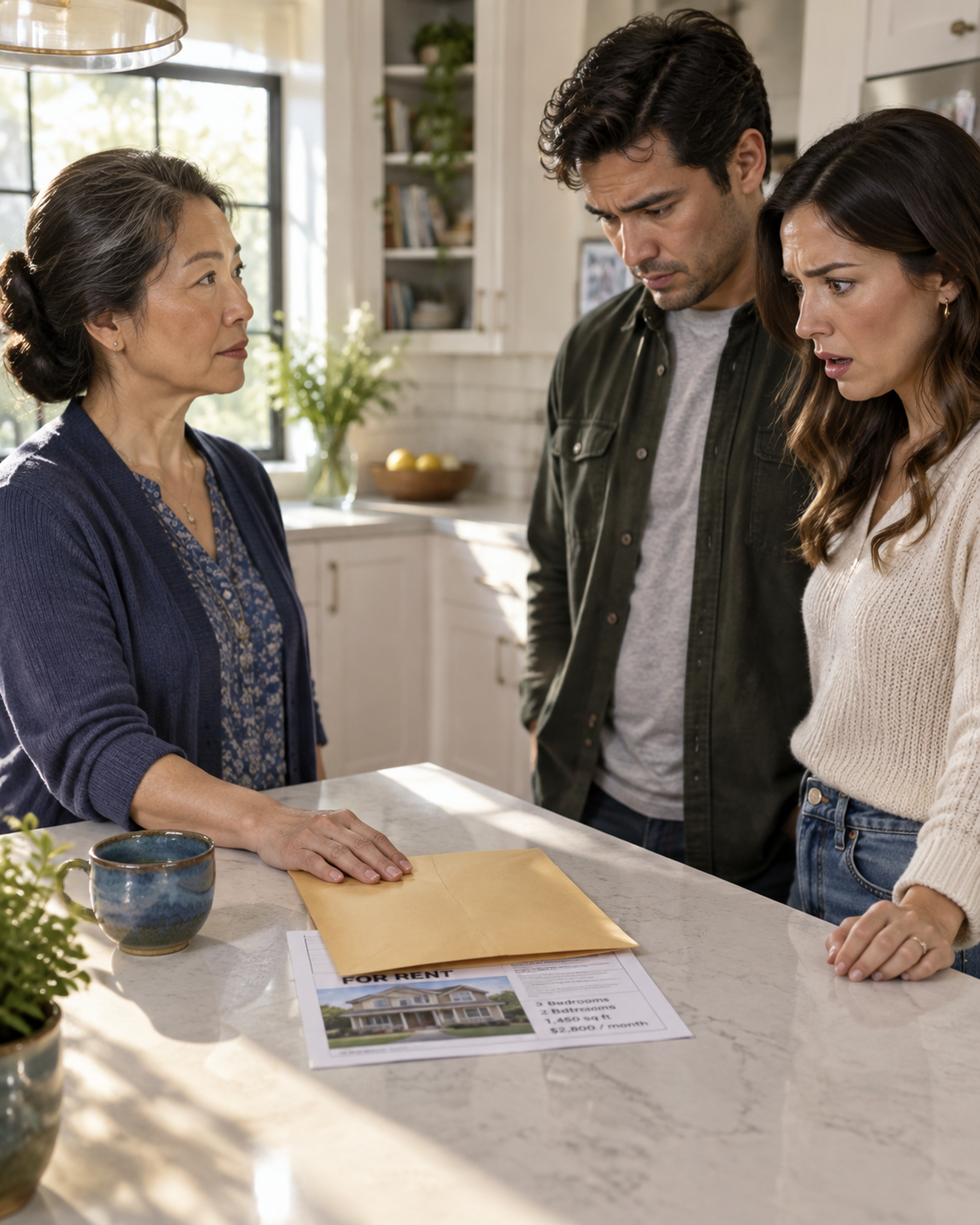
My daughter-in-law called my home “perfect for the nursery” and left a rental listing on my kitchen counter—as if I had already agreed to move out…
The Home They Wanted for Their Baby—And the Documents That Changed Their Plans My daughter-in-law called my home “perfect for...
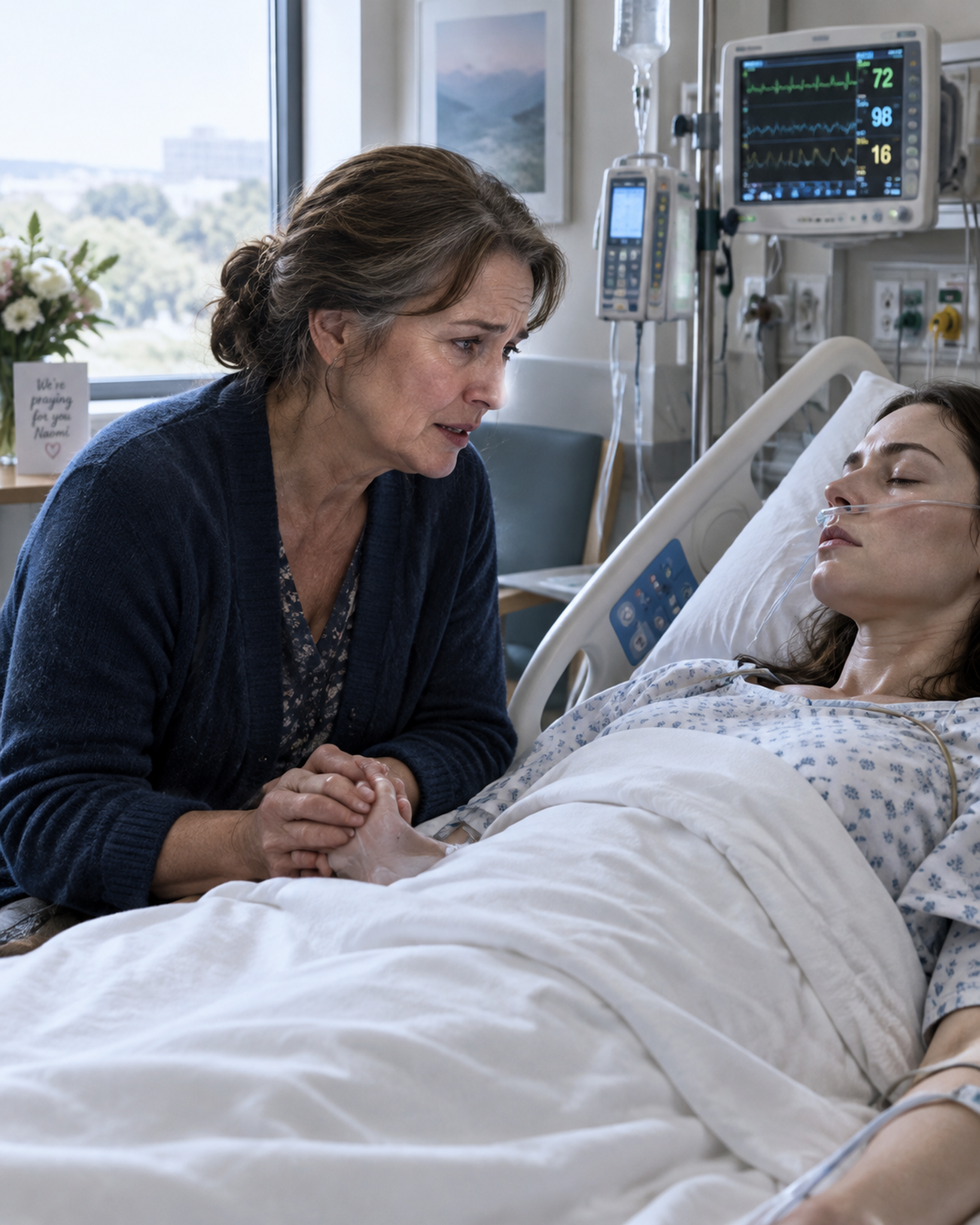
Her Abusive Husband Left Her in a Coma—Unaware Her Lost Military Brother Had Returned…
HER ABUSIVE HUSBAND LEFT HER IN A COMA—UNAWARE HER LOST MILITARY BROTHER HAD RETURNED For twenty-six days, Naomi Patterson lay...
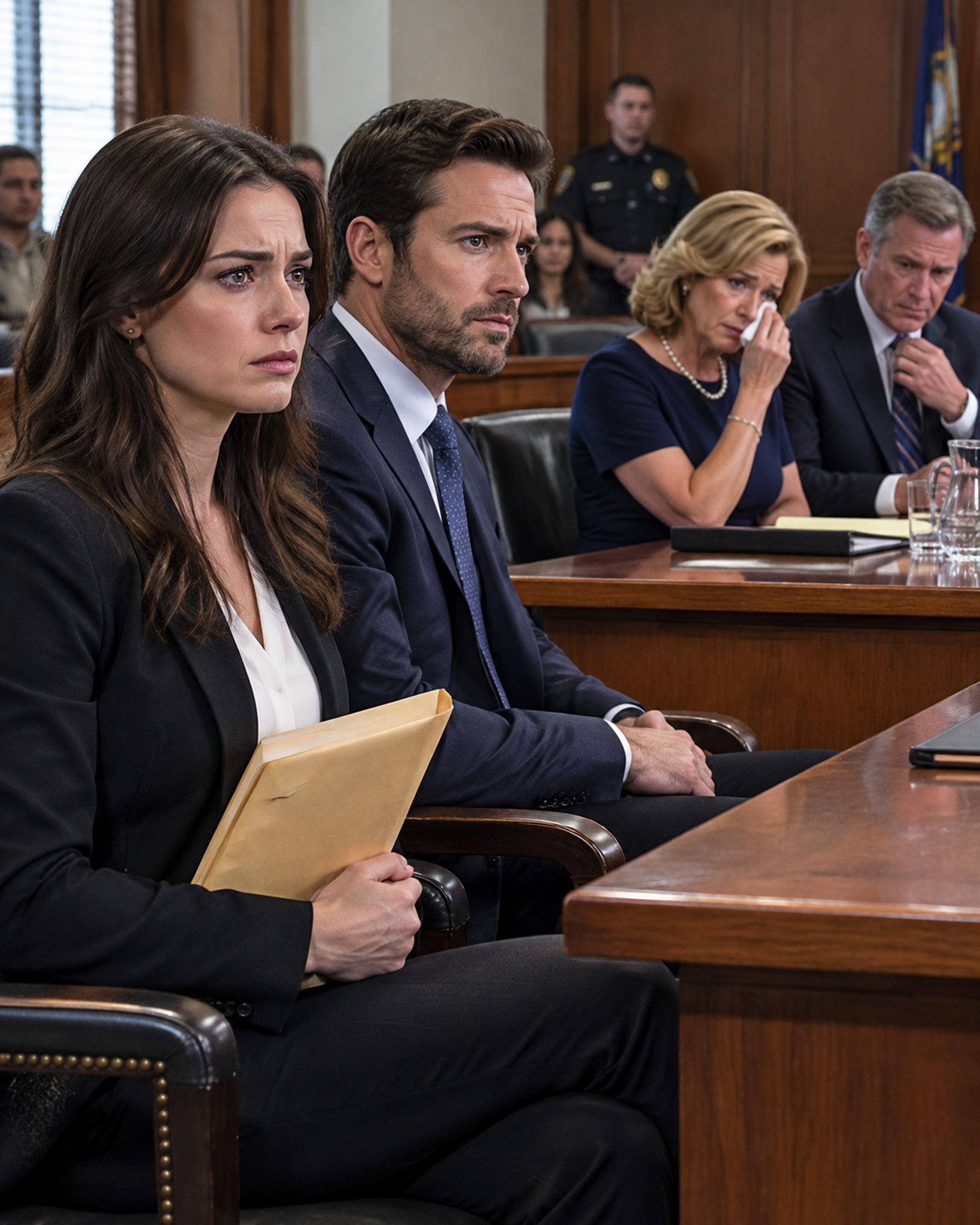
MY PARENTS ABANDONED ME IN A PARK AT 7—22 YEARS LATER, THEY SUED FOR HALF MY $4.2 MILLION INHERITANCE – Life Story
My biological parents left me beside an oak tree when I was seven years old because, according to a document...